
博客
Wire Box Mould
Wire box mould is a critical injection mould for electrical industry, used to produce junction boxes, cable boxes and concealed electrical housings. High‑quality wire box mould guarantees precise dimension, insulation performance and high mass‑production yield rate. Sinomould has rich experience in designing and manufacturing wire box mould. This blog covers wire box mould specifications, quality requirements and key processing points.
Wire Box Mould Parameters
Below are examples of the most common parameters for Wire Box moulds.
| Centrifuge Tube Mould Cavity Steel | S136 / H13 / 718H | Recommended Injection Machine | 180-450T |
|---|---|---|---|
| Centrifuge Tube Mould Core Steel | S136 / H13 / 718H | Plastic Material | PP/ABS/PC |
| Mould Base Standard / Steel | LKM standard / P20、50C | Ejection System | Ejector pin |
| Sliders, Inserts, Lifters Steel | High-strength tool steel with surface hardening treatment | Injection Process | High-speed injection, short cycle time, precise temperature control |
| Number of Cavities | 1-8 cavities | Injection Cycle Time | 25-30 seconds |
| Hot Runner System | Multi point hot runner point gate | Mould Manufacturing Lead Time | 40–65 days |
Wire Box Mould Quality Key Points
Qualified wire box mould must meet strict requirements for electrical housing production.
- Steel selection: Wire box mould often processes flame‑retardant filled plastic. Cavity steel shall be corrosion‑resistant to avoid pitting caused by flame retardant additives. Hardness shall resist abrasive filler.
- Structural strength: Sliders and lifters are widely used in wire box mould. Wear plates and sliding parts shall be heat‑treated to prevent jamming after hundreds of thousands shots.
- Dimensional accuracy: Mounting holes and snap‑fit features require tight tolerance. Wire box mould guarantees interchangeability for assembly.
- Demolding performance: Reasonable travel and angle for sliders & lifters to avoid sticking, whitening and product deformation.
- Cooling system: Well‑balanced water channels to reduce warpage of electrical housings.
Wire Box Mould Processing Key Points
Wire box mould contains many undercut features. Processing details determine long‑term stability.
- Mould design: Simulate slider & lifter movement to avoid interference. Optimize runner system for balanced filling for multi‑cavity wire box mould. Arrange cooling channels close to cavity surface to shorten cycle time.
- Precision machining: CNC & EDM finish for cavity, core, sliders and lifters. Tight clearance control for sliding components.
- Heat & surface treatment: Appropriate heat treatment for cavity/core. Mirror polish for wire box mould running flame‑retardant material to reduce deposit corrosion.
- Assembly & testing: Repeated open‑close test after assembly. Multiple mould trials to verify snaps, holes and surface quality. Fatigue test to confirm mass‑production performance for wire box mould.
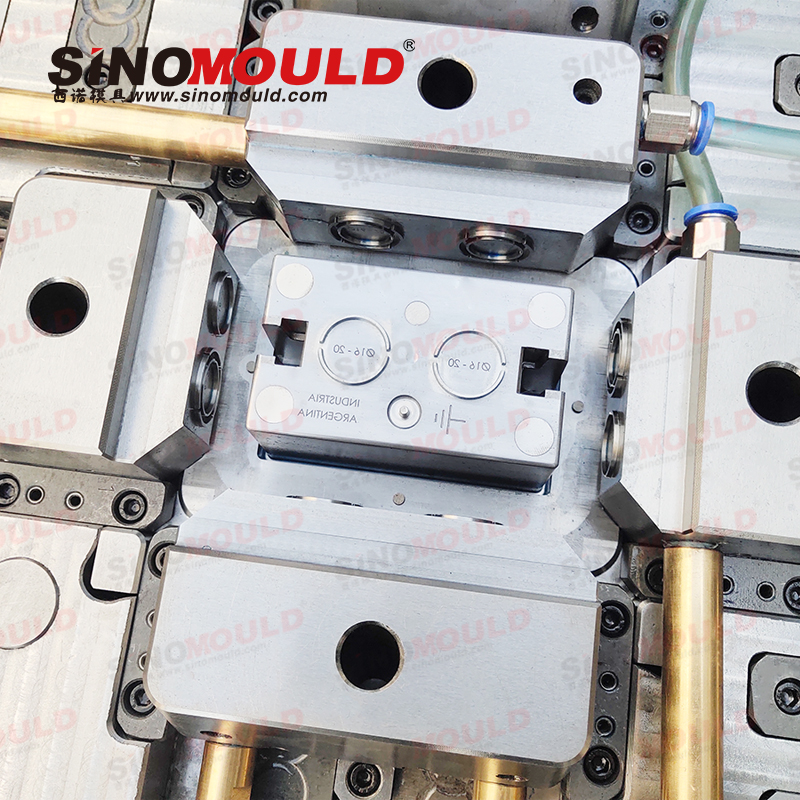
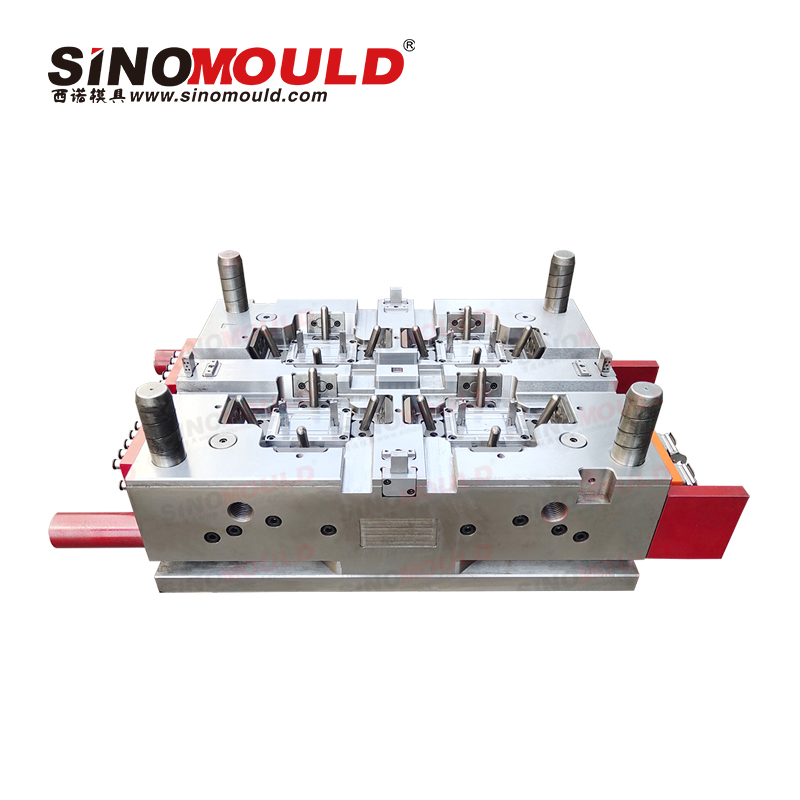
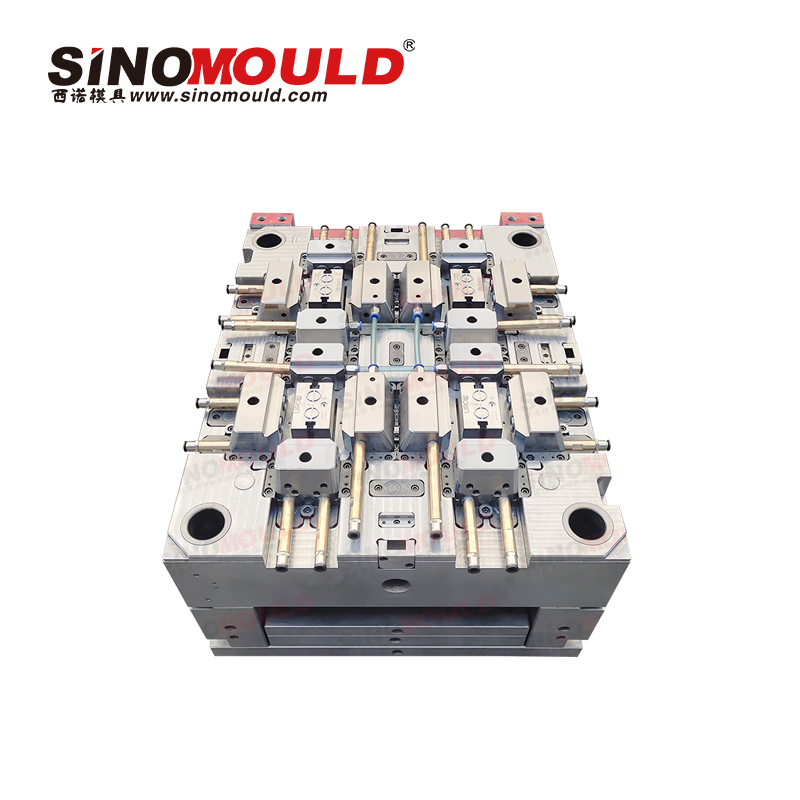
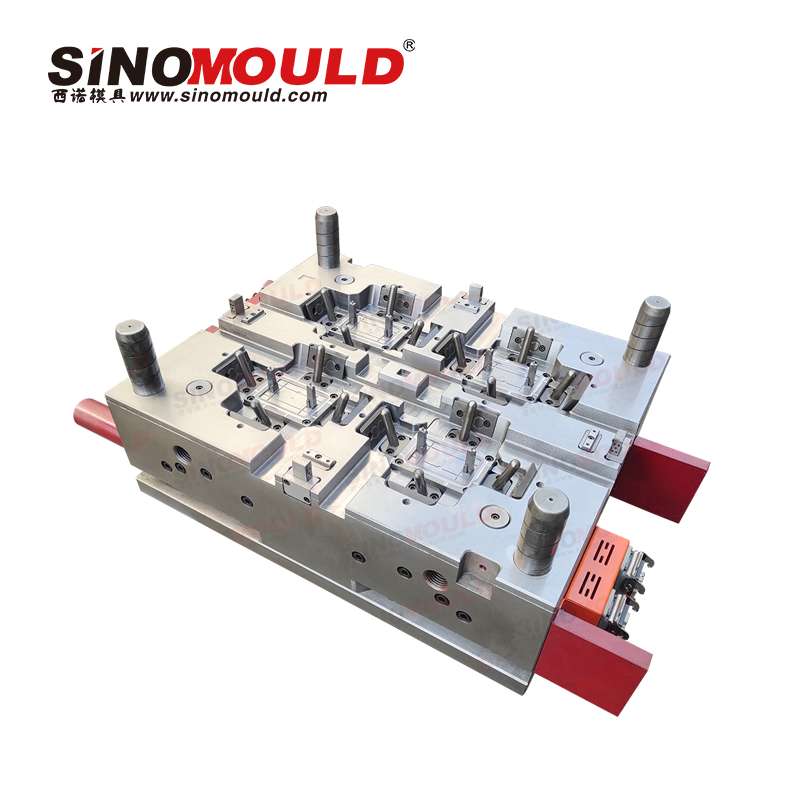
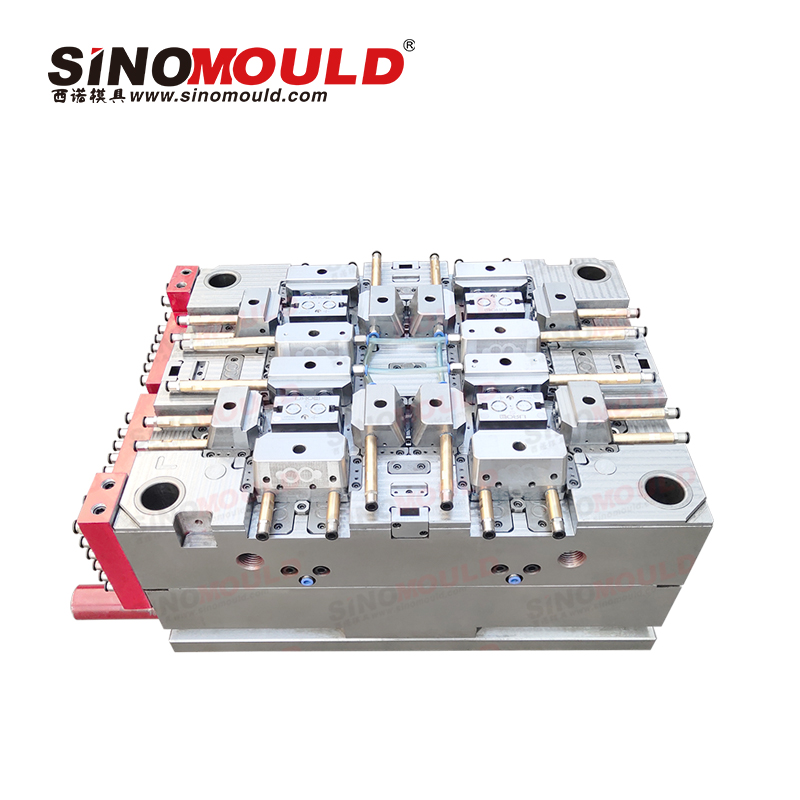
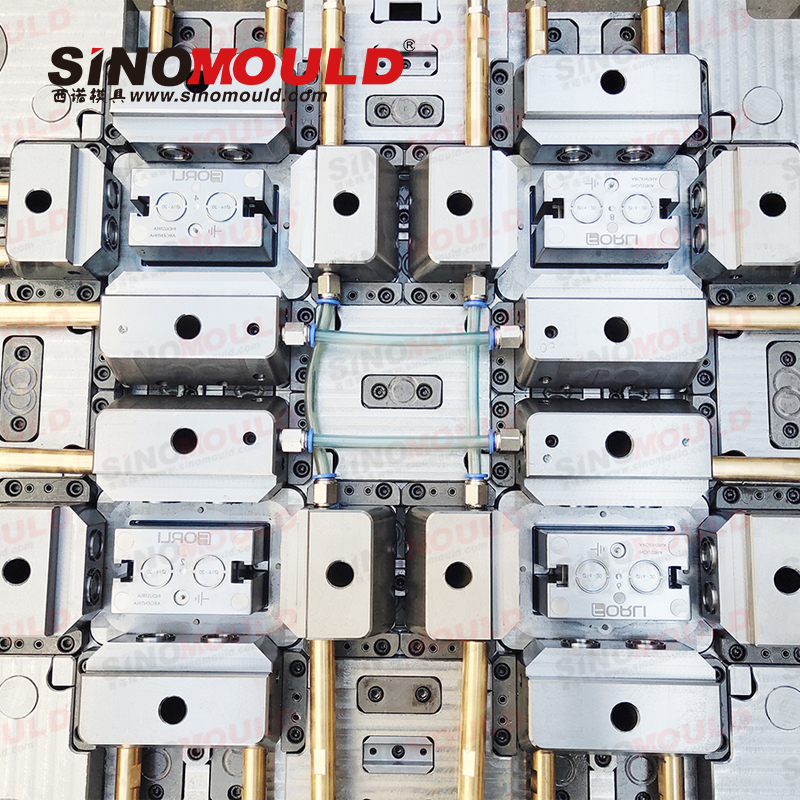
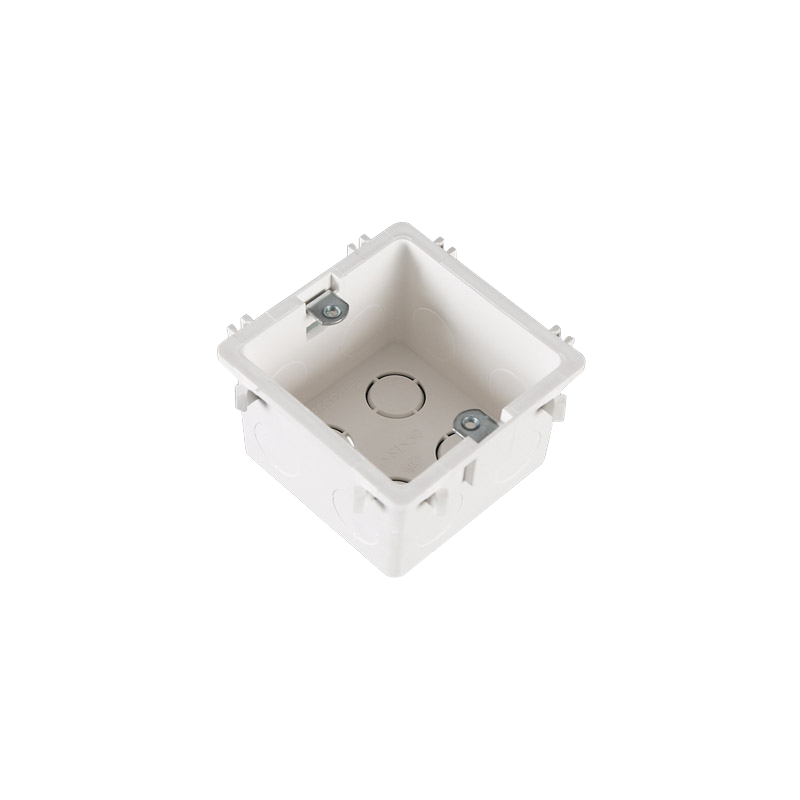
To sum up, wire box mould is a typical undercut‑rich electrical injection mould. Parameter selection, quality control and precise processing all decide final mass‑production performance of wire box mould. Sinomould provides custom wire box mould solution based on customer drawings, covering design, machining, mould trial and final delivery.