
Blog
Elbow mould
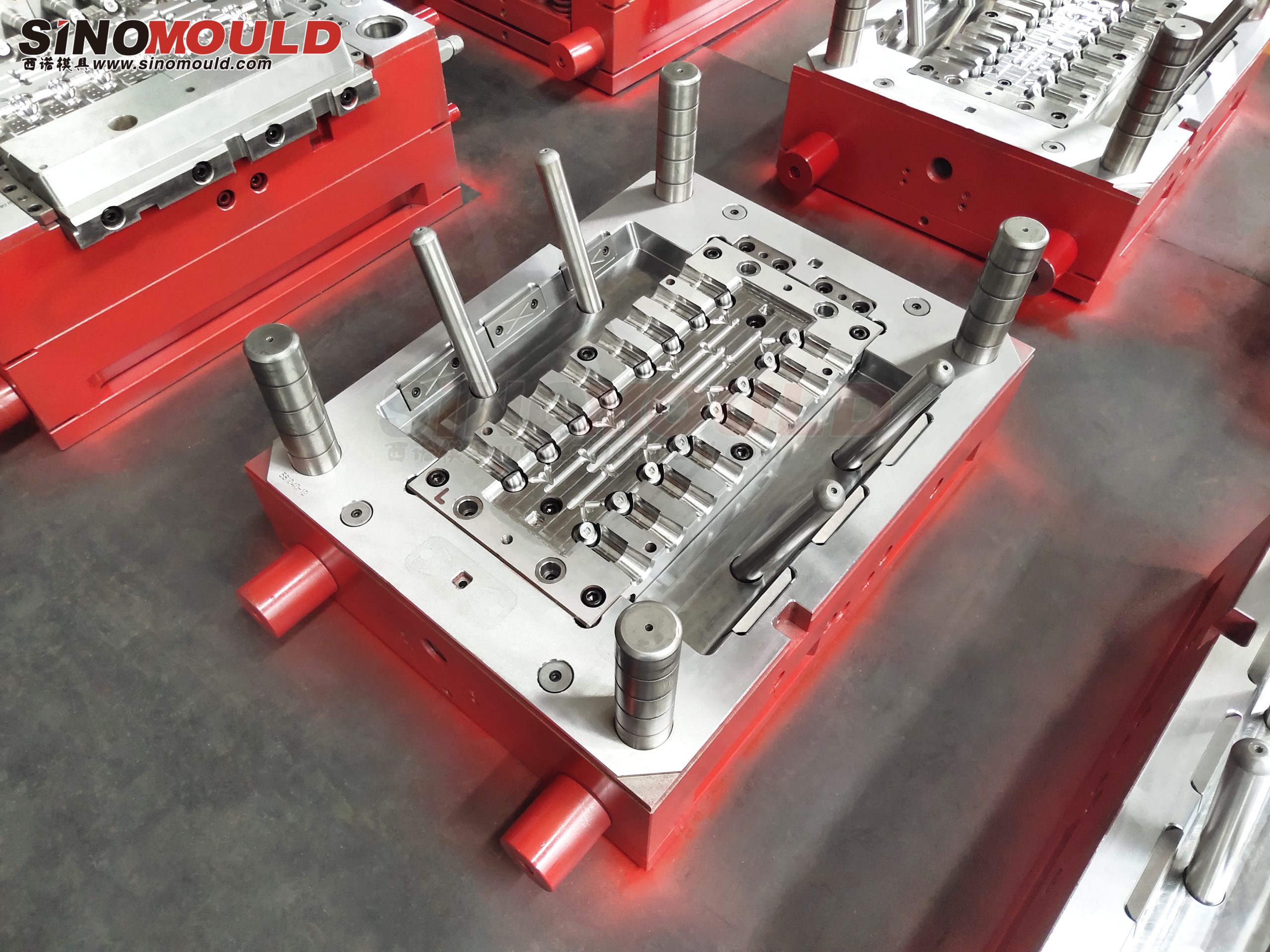
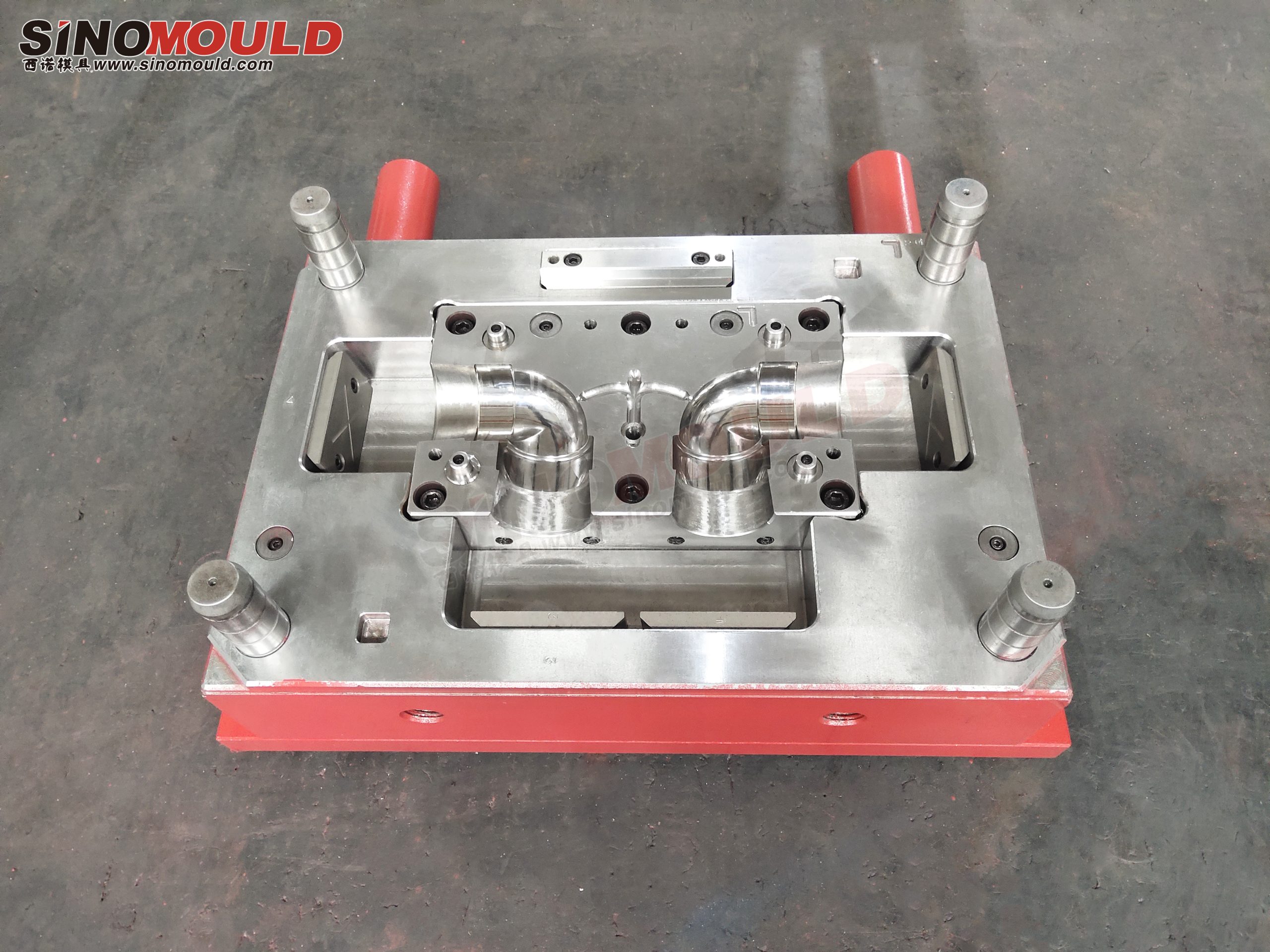
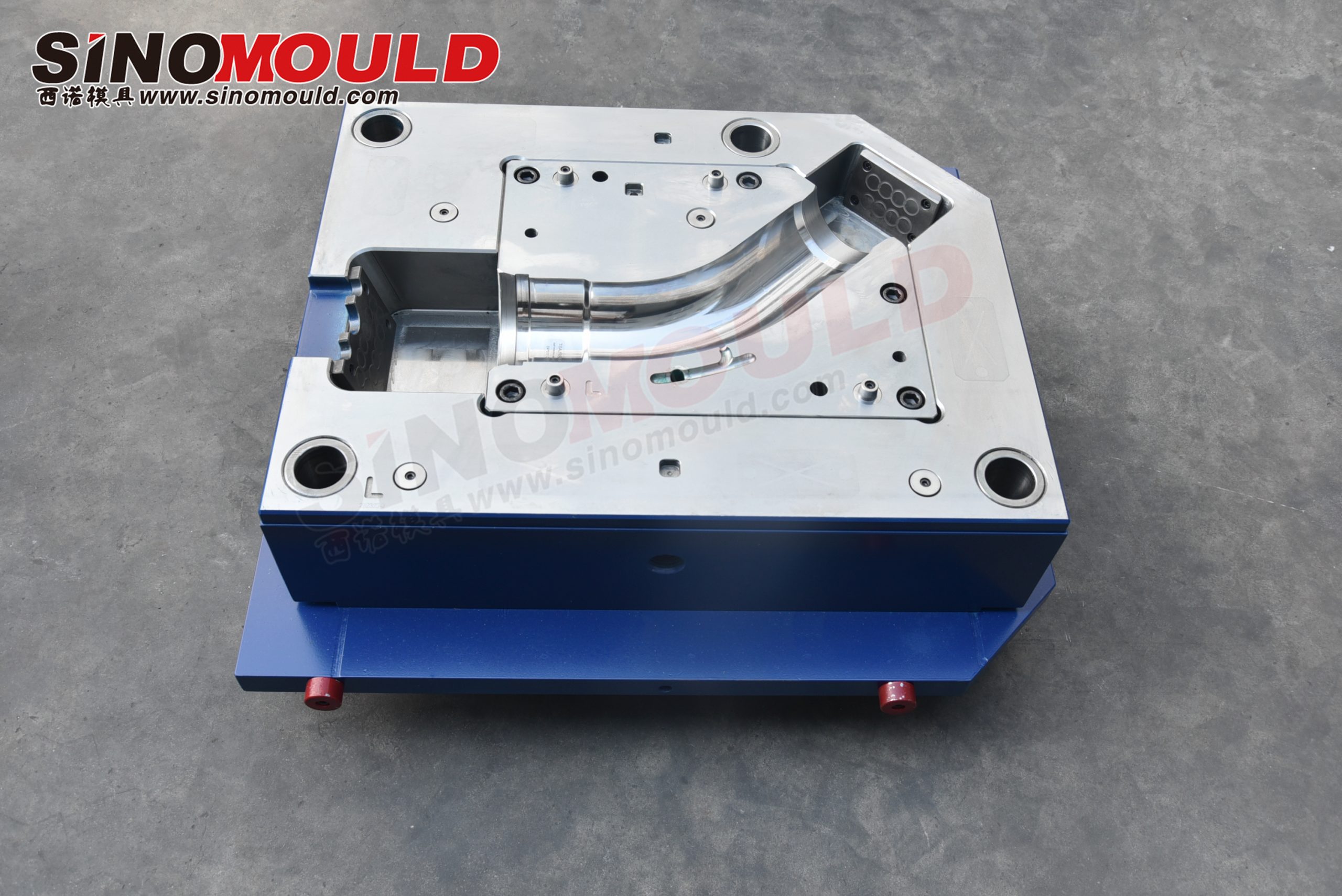
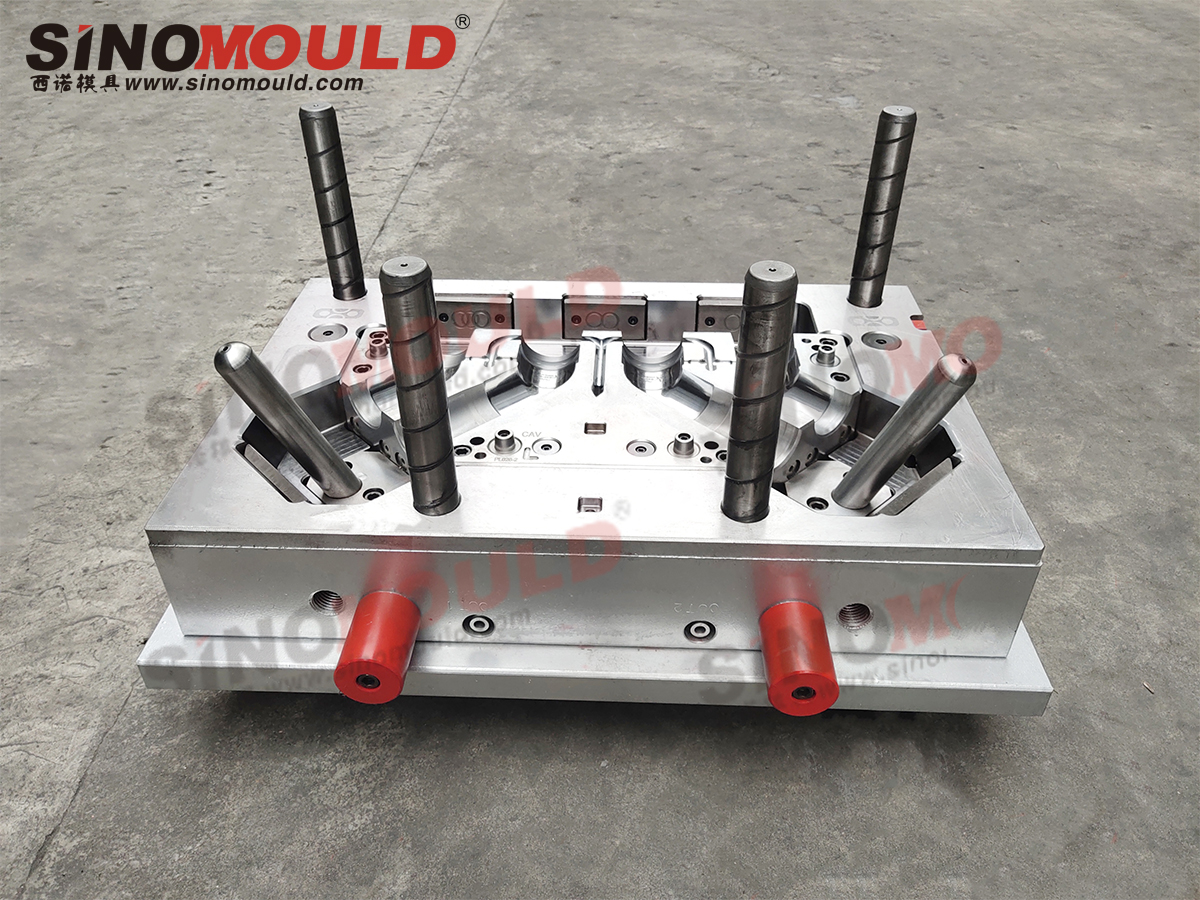
SINO MOULD specializes in R&D and manufacturing of PVC/UPVC/PP/PPR pipe fitting injection moulds, covering full-series drainage fitting moulds from 50–315mm. Below are mould solutions for commonly used elbow specifications in the market.
Standard Elbow Details
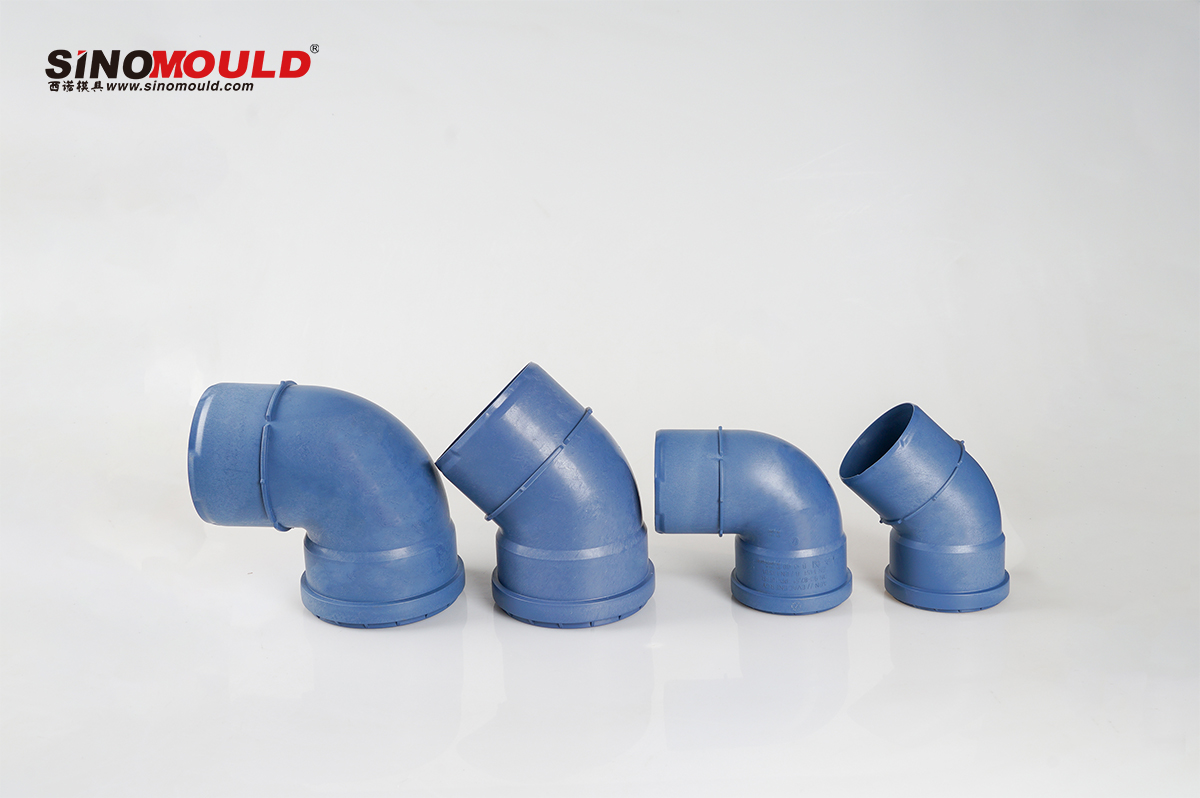
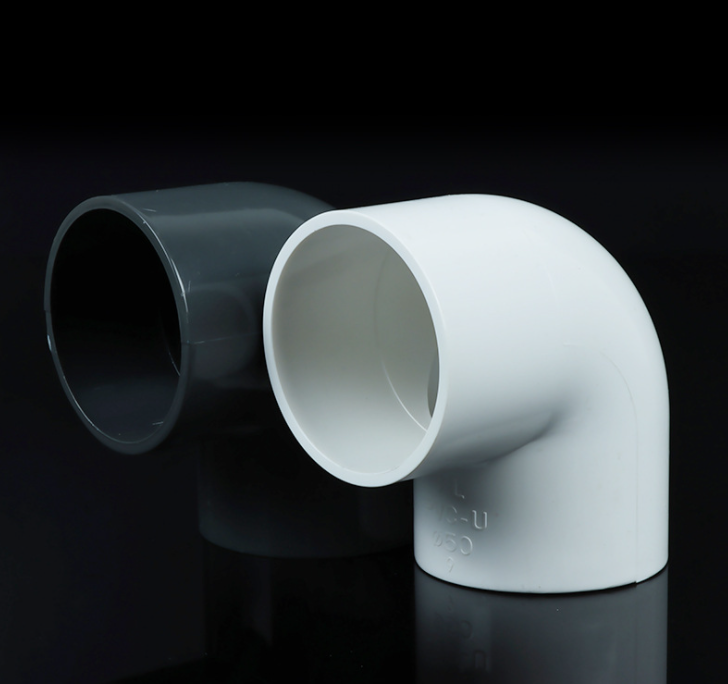
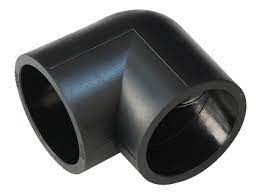
Pipe elbows are mainly available in 45° and 90°. The 45° elbow offers lower flow resistance, suitable for gentle turns in long-distance pipelines; the 90° elbow saves space, commonly used for vertical-to-horizontal pipe connections.
| Nominal Size | Common Material | Typical Application | Recommended Cavities |
|---|---|---|---|
| DN20–32 (Φ20–32mm) | PPR, PP | Residential water supply | 8–32 cavities |
| DN40–63 (Φ40–63mm) | PPR, PP, PVC | Water/drainage branch pipes | 4–16 cavities |
| DN75 (Φ75mm) | PVC, UPVC | Kitchen sink, balcony floor drain | 2–8 cavities |
| DN110 (Φ110mm) | PVC, UPVC | Residential main drainage | 1–2 cavities |
| DN160 (Φ160mm) | PVC, UPVC | Municipal drainage, large projects | 1–2 cavities |
| DN200–400mm | PVC, UPVC, PP | Engineering-grade plumbing/drainage | 1 cavity |
Standard reference: GB/T 5836.2 for rigid PVC fittings for building drainage; GB/T 18742 for polypropylene piping systems for hot and cold water.
Standard Elbow Mould Details
| Nominal Size | Common Material |
|---|---|
| Parameter | Specification |
| Moulded Product | PP/PPR/PVC/UPVC 45°/75°/90°/135° elbow |
| Applicable Material | PP, PPR, PVC, UPVC |
| Optional Cavity | 1, 2, 4, 8, 16, 32 cavities (customizable) |
| Mould Steel | Cavity & core S136 / DIN 1.2316 / 4Cr13 |
| Mould Base | LKM standard / S50C, S45C |
| Gating System | Cold runner large gate; Hot runner + local cold runner (PVC-specific) |
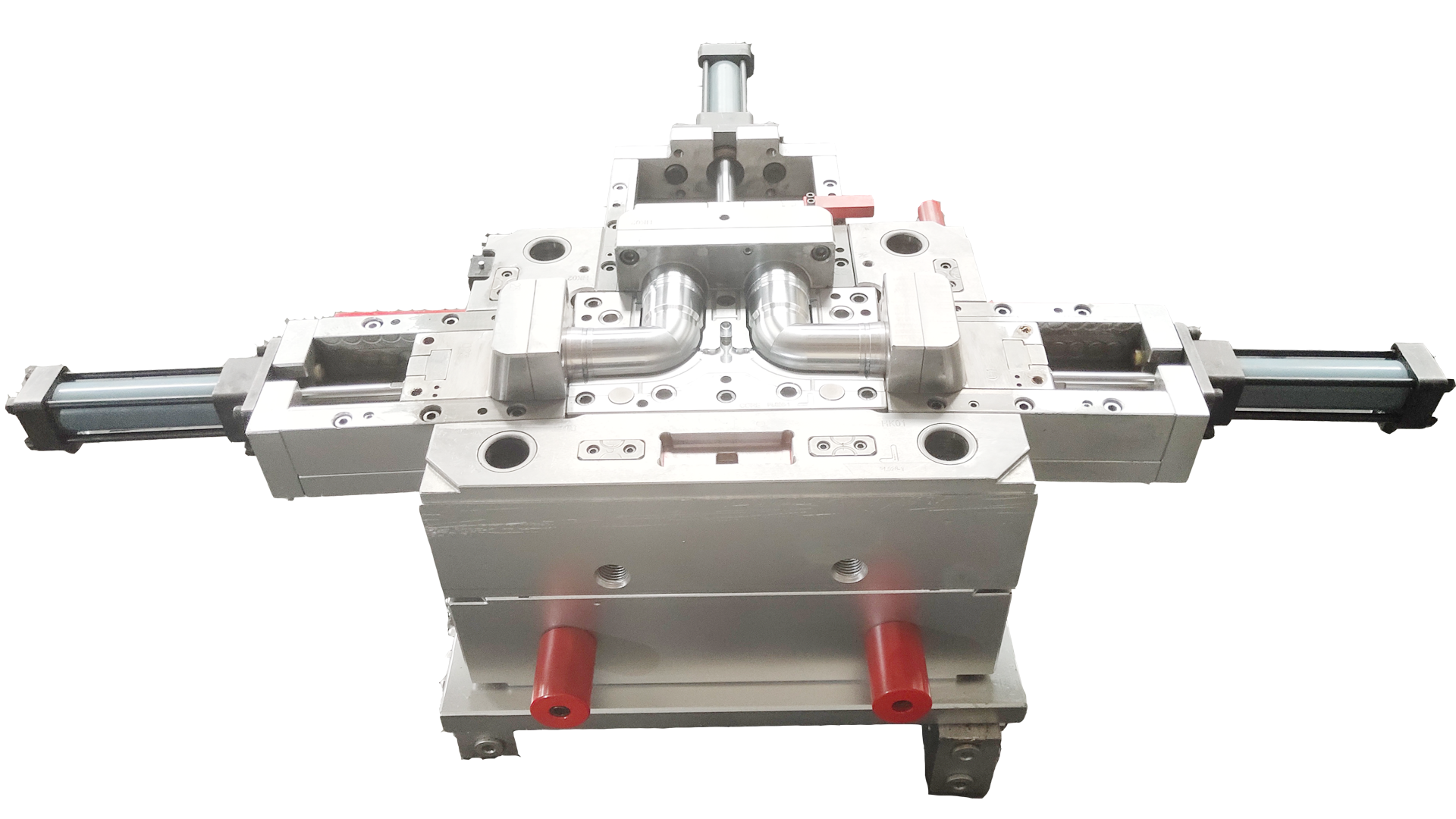
| Demoulding | Dual-cylinder synchronous hydraulic core-pulling + ejector plate |
| Slide/Core-Pulling Steel | High-strength tool steel, nitrided |
| Compatible Machine | 180T – 650T |
| Mould Service Life | 1M-3M shots |
| Lead Time | 65-75 days |
Key Quality Points of Elbow Moulds
- Socket & Spigot Dimensional Accuracy
The socket and spigot ends are critical for sealing fit. We strictly control the mating dimensions between core and cavity, ensuring socket depth, inner diameter, and taper comply with international pipe fitting standards – eliminating loose or overly tight installation.
- Inner Wall Smoothness & Parting Line Control
Fluid resistance is directly related to inner wall smoothness. Through high-precision core-pulling and optimized parting line design, flash height at the parting line is controlled to ≤0.03mm – ensuring smooth inner wall with no flow obstruction.
- Multi-Cavity Consistency
In multi-cavity production, part weight deviation between cavities is controlled within ±0.3%. Runner balance analysis and independent valve-pin adjustment ensure consistent dimensions and appearance across all elbows.
- PVC Material Process Compatibility
PVC is temperature-sensitive and prone to thermal degradation. We adopt a combined “hot runner + cold runner at the end” design – maintaining a cold runner near the cavity to prevent carbonization during machine stops, while enabling rapid production restart and reducing scrap.
- Core-Pulling Mechanism Reliability
The rack-and-pinion core-pulling system must operate repeatedly under high temperature and pressure. We strictly control tooth surface hardness and fit clearance, ensuring smooth, jam-free core-pulling action – requiring no frequent maintenance within the mould’s service life.
Precision Machining Highlights for Elbow Moulds
- Rack-and-Pinion Core-Pulling System
The core of the elbow mould is the core-pulling mechanism. We adopt a rack-and-pinion system driven by a hydraulic motor – offering precise stroke, smooth motion, and compact footprint compared to conventional cylinder-type core-pulling. Two-step core pulling: the straight section retracts first, followed by the rotating release of the curved core – without damaging the inner wall.
- Multi-Cavity Layout Optimisation
For small-diameter elbows, we use vertically arranged slide mechanisms to achieve up to 32 cavities within a limited mould base space – significantly increasing daily output per machine. For large-diameter elbows, stability is prioritised, with cavity counts controlled to 2–4 cavities.
- PVC-Specific Runner Design
The biggest challenge in PVC injection moulding is thermal stability. We add a local cold runner at the end of the hot runner system, allowing the material to cool briefly before entering the cavity – preventing high-temperature degradation while ensuring complete filling. This design also facilitates purging and colour changes, reducing material waste.
- Precision Machining & Assembly
Cavities, cores, and the core-pulling rack are all finished by CNC milling and wire EDM, with critical tolerances ≤±0.01mm. During assembly, each component is inspected for fit clearance to ensure smooth, interference-free movement.
- Mould Trial Verification
Each mould is trial-run on an injection machine before delivery, simulating mass production conditions to verify product dimensions, appearance, and core-pulling stability. Only after passing inspection is the mould delivered – ensuring the customer can immediately start continuous production upon receipt.
SINO MOULD One-Stop Service
SINO MOULD has rich experience in designing and manufacturing PP/PPR/PVC/UPVC pipe fitting moulds, covering full-series plumbing and drainage fittings from 20–400mm including elbows, tees, couplings and reducers.
- Pre-sales: Free 3D design & mouldflow analysis; confirm cavity quantity, core-pulling and cooling solution according to customer injection-machine parameters.
- Manufacturing: 5-axis CNC, mirror EDM spark processing; cavity nitriding or hard-chrome plating anti-corrosion treatment with full-process quality control.
- Mould Test: Multiple pre-delivery tests with dimension inspection report and glue-assembly / hot-melt assembly test; delivery only after qualification.
- After-sales: Mould operation & maintenance training; free repair for non-artificial damage within warranty period; special anti-corrosion maintenance guidance for PVC moulds.