博客
Battery Case Mould
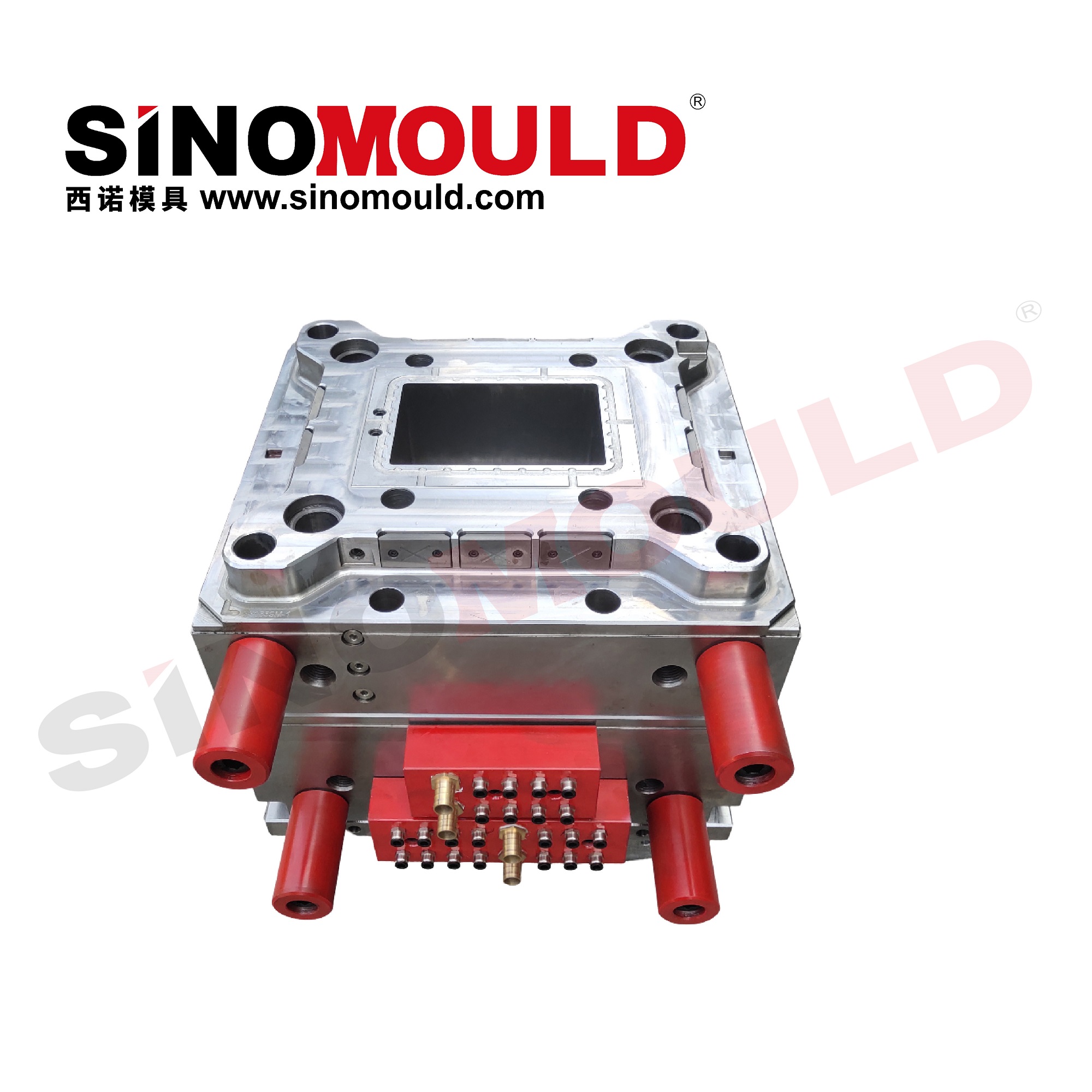
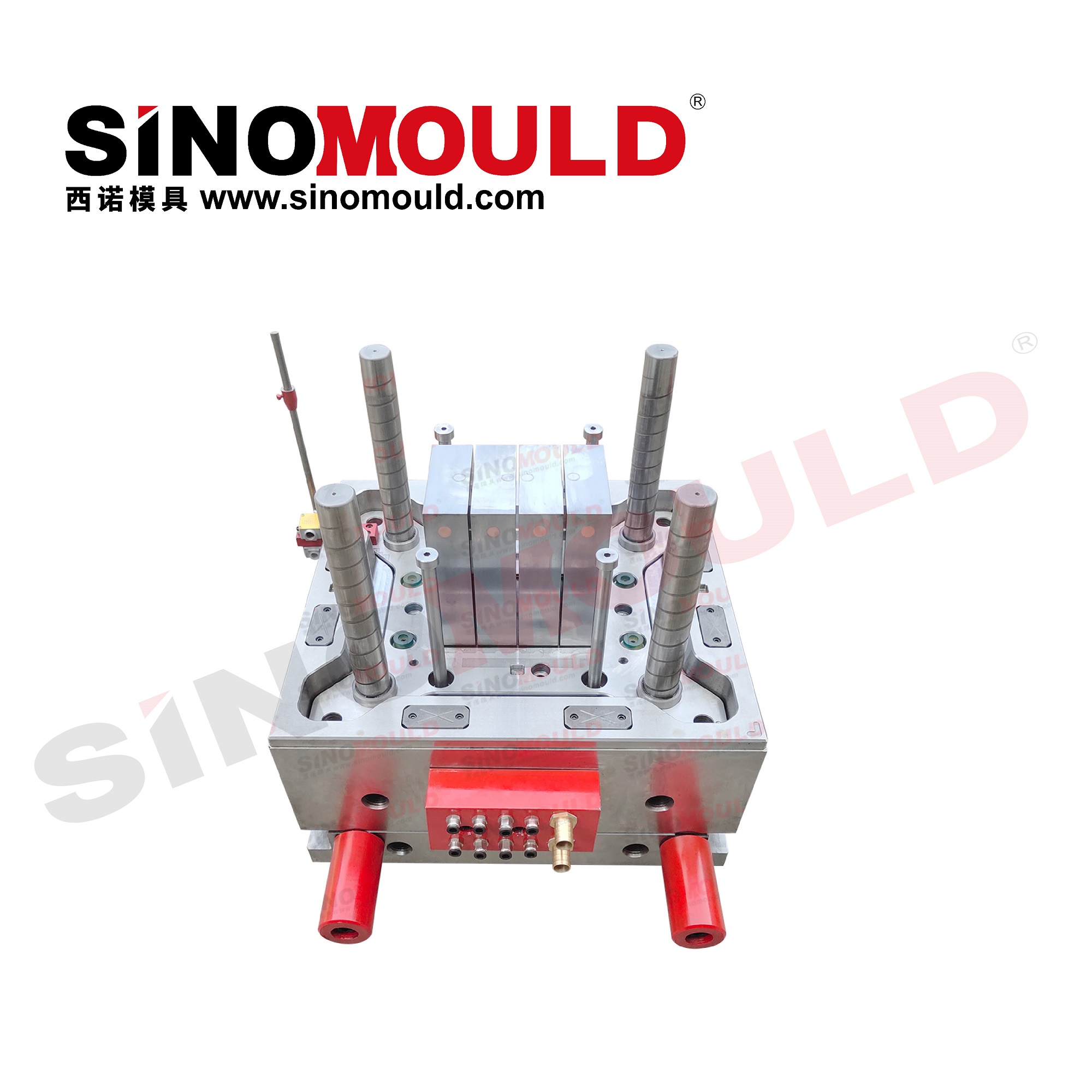
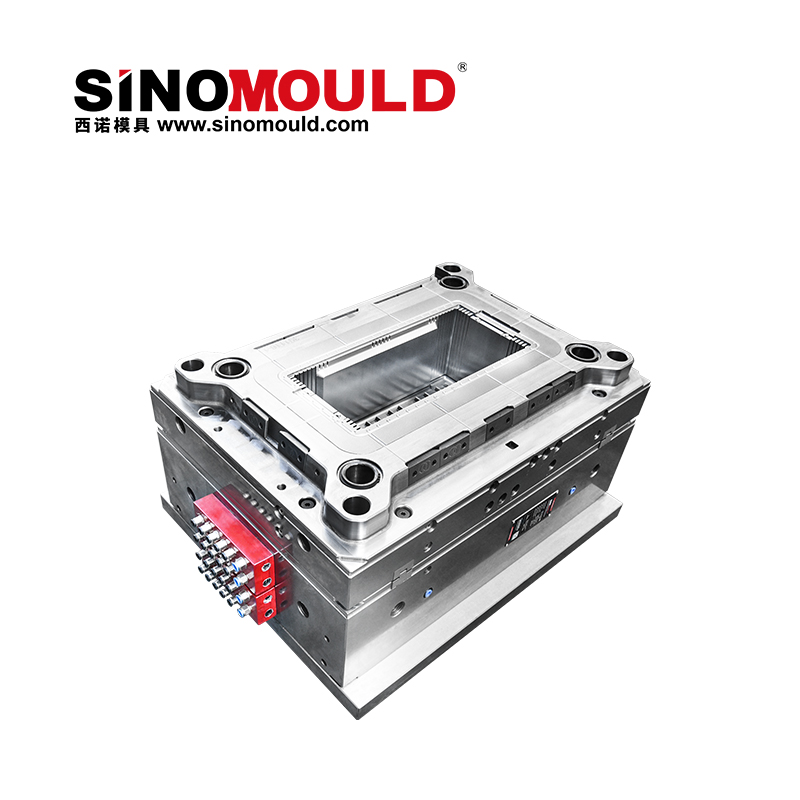
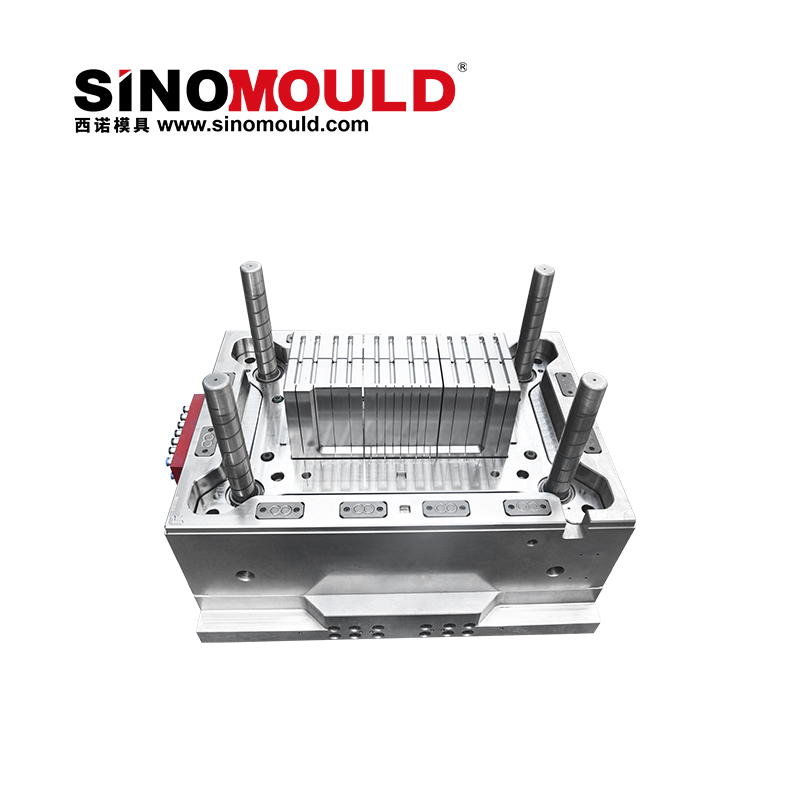
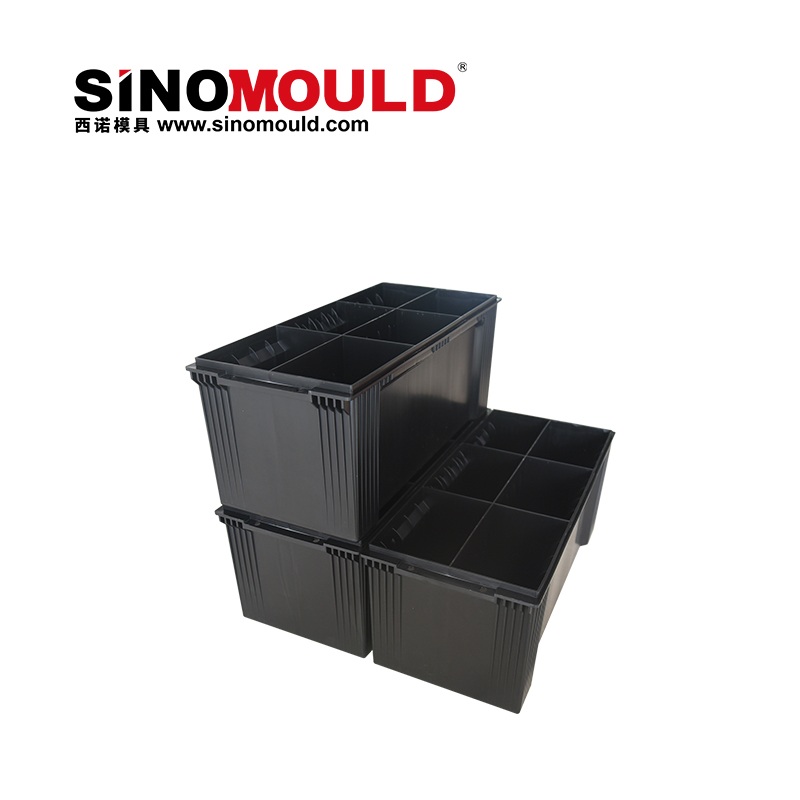
Plastic battery cases serve as critical protective enclosures for automotive and industrial batteries, shielding internal cell assemblies from environmental exposure, mechanical vibration, and thermal cycling. These components must meet exacting standards for dimensional precision, sealing integrity, and long-term durability. Sino Mould brings over 26 years of injection moulding expertise to battery case mould manufacturing, delivering high-precision, high-efficiency tooling solutions covering automotive battery series N40–N200, UPS battery series (55AH–100AH), inverter battery series, DIN battery series, and fully customized configurations.
Standard Plastic Battery Case Mould Details
Below are examples of the most common parameters for Plastic Battery Case Moulds.
| Centrifuge Tube Mould Cavity Steel | H13 (HRC 48-52) | Recommended Injection Machine | DKM 450SV (typical) |
|---|---|---|---|
| Centrifuge Tube Mould Core Steel | H13 (HRC 48-52) | Plastic Material | PP/ABS, MFI on request (PP 0.3-0.5) |
| Mould Base Standard / Steel | Standard base, P20/H13 | Ejection System | Stripper |
| Sliders, Inserts, Lifters Steel | 6-piece core inserts (no slides) | Injection Process | Multi-stage injection + mould temp control |
| Number of Cavities | 1+0 (standard), customizable | Injection Cycle Time | 35 seconds (typical for 1L) |
| Hot Runner System | 7-point valve gate hot runner | Mould Manufacturing Lead Time | 75-90 days |
Key Quality Points of Plastic Battery Case Moulds
- Dimensional consistency & core stability: 6-piece core inserts made of high-hardness H13 steel with precise alignment prevent core shift, ensuring uniform wall thickness across all cells (tolerance ±0.05mm).
- Efficient cooling & short cycle: Strategically routed cooling circuits optimized for deep cores and internal partition areas achieve a stable 35s cycle without warpage or internal stress.
- Reliable mark-free ejection: Stripper plate ejection system applies uniform force around the entire part perimeter, preventing deformation and eliminating ejector marks or scratches.
- Material versatility: Compatible with PP (chemical resistance/insulation) and FR-ABS (flame-retardant/high impact); mould design accounts for different rheological and shrinkage behaviors.
Precision Machining Highlights for Plastic Battery Case Moulds
- Precision machining: Large gantry CNC and precision EDM ensure cavity and core dimensional accuracy; mating gaps of 6-piece core inserts ≤0.01mm.
- 7-point hot runner machining: High-accuracy machining of hot runner manifold and gate bores ensures synchronized valve gate actuation and balanced filling.
- Cooling circuit machining: Deep-hole drilling and 5-axis machining achieve complex cooling channels for rapid heat removal from thermal hot spots.
- Strict quality control: Hexagon CMM verifies all critical dimensions; sealing surface profile and cell partition spacing are individually inspected.
Mould Flow Analysis for Battery Case Mould
Mouldflow simulation for a typical battery case:
- Balanced filling through 7 gates: filling time difference between gates <0.1s;
- Weld line positions: located at ribs and non-sealing areas;
- After cooling optimization: warpage ≤0.8mm, meeting sealing requirements;
- Clamp force prediction: perfectly matched with DKM 450SV.