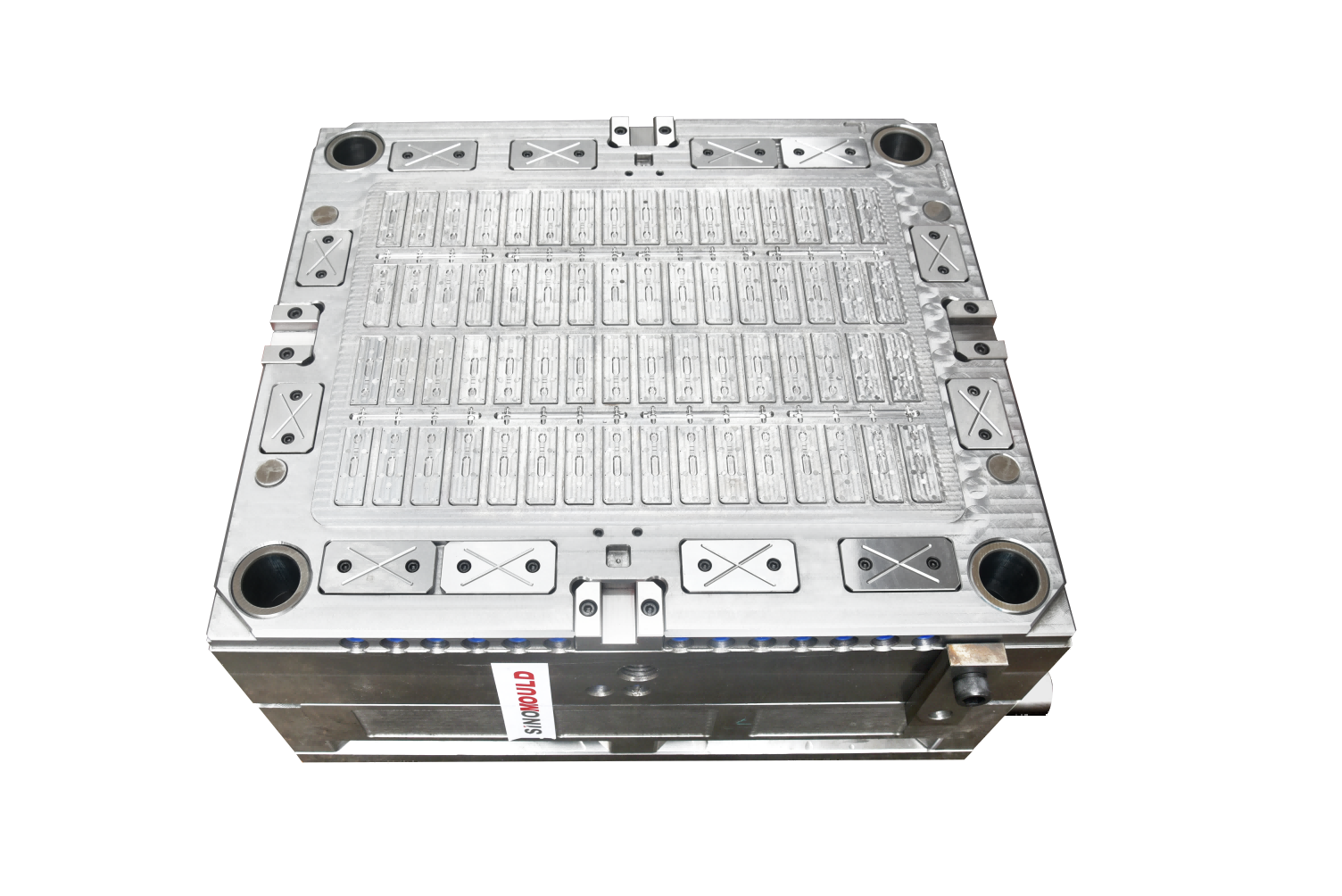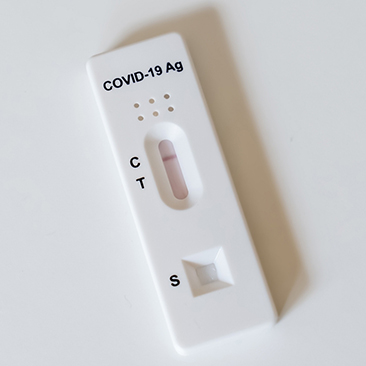
Antigen Test Kit Mould
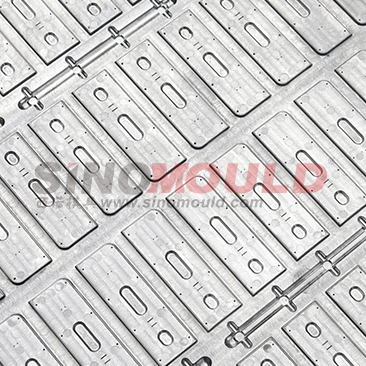
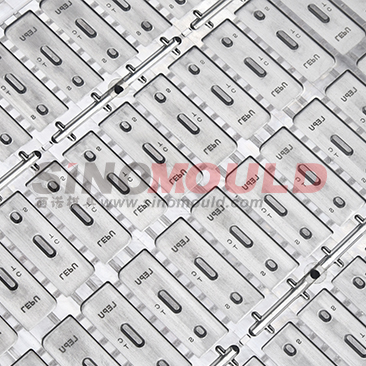
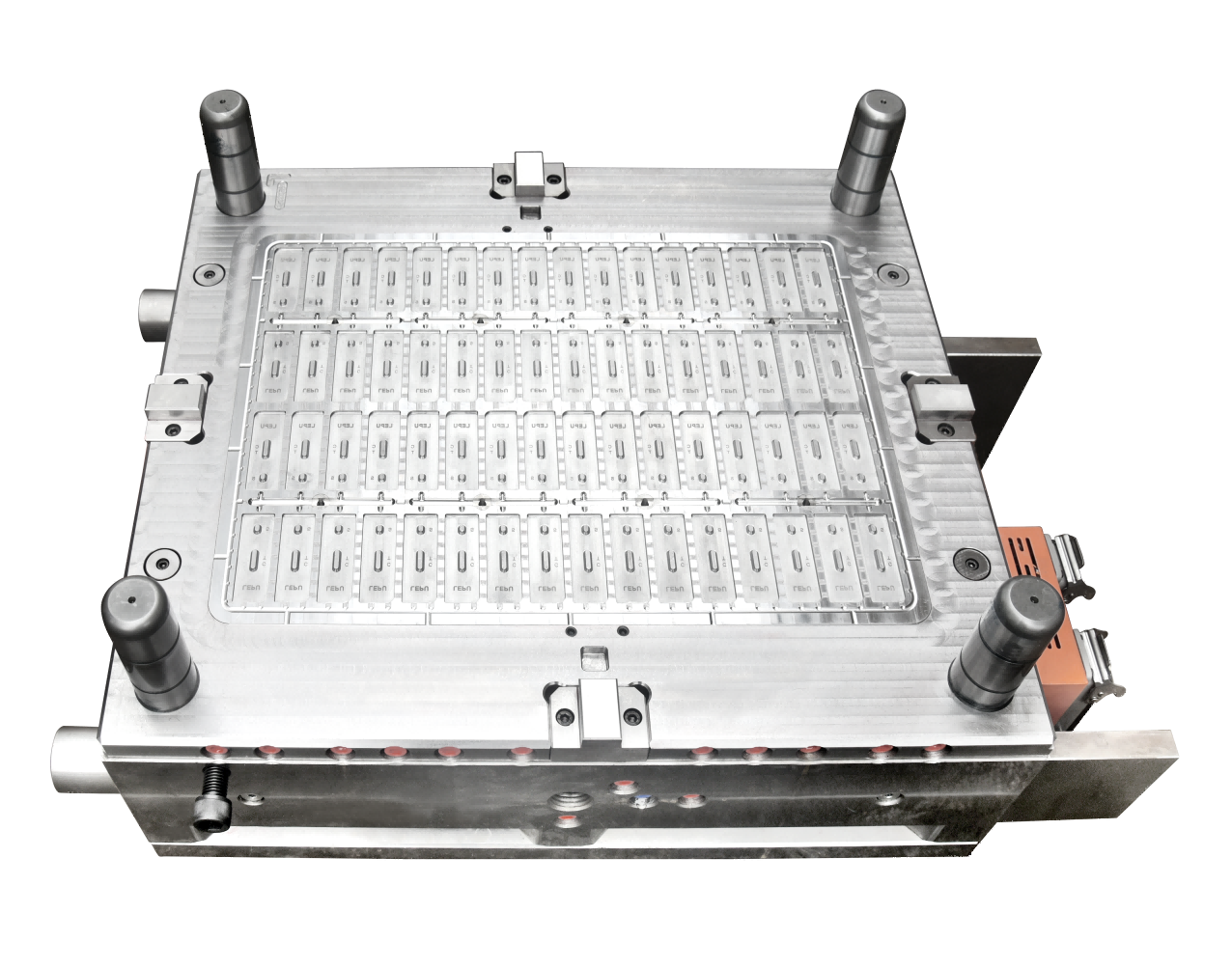
SINO MOULD specializes in the design and manufacture of Antigen Test Kit moulds, providing high-precision, high-quality mould solutions. Our antigen test kit moulds are widely used in the mass production of antigen test kits, employing advanced injection moulding technology and high-performance materials to ensure products meet strict quality standards and meet the demands of the medical industry.
Standard Antigen Test Kit Mould Details
Below are examples of the most common parameters for antigen test kit Mould moulds:
| Cavity Steel | S136/H13 | Recommended Injection Machine | DKM FE serise injection molding machine |
|---|---|---|---|
| Core Steel | S136/H13 | Plastic Material & MFI | Medical-grade ABS/ PP |
| Mould Base Standard / Steel | 4Cr13 Pre-hardened Stainless Steel | Ejection System | Stripper |
| Sliders, Inserts, Lifters Steel | High-strength tool steel with surface hardening treatment | Injection Process | Short cycle time, precise temperature control |
| Number of Cavities | 16–64cavities | Injection Cycle Time | 13–18 seconds |
| Hot Runner System | Fully hot runner system | Mould Manufacturing Lead Time | 40–65 days |
Key Quality Points of Antigen Test Kit Moulds
1.Precise Dimensional Control and High-Precision Machining
The dimensional accuracy of antigen test kit moulds is crucial. All components, including cavities, cores, and injection ports, must undergo high-precision CNC machining to meet tolerance requirements within ±0.01mm. Precise machining ensures long-term stable performance, making the mould suitable for high-frequency production.
2.Sealing and Leak-Proof Design
Since antigen test kits contain important reagents and test strips, sealing performance must be strictly controlled. The mould design needs to ensure a perfect fit between the kit body and lid to prevent reagent leakage or contamination, thus ensuring accurate testing.
3.Assembly Accuracy and Alignment
Precise alignment of components is key to ensuring the functionality and quality of antigen test kits. The mould design must ensure that all parts (such as reagent tubes, test strips, and lids) align perfectly to avoid assembly issues that may cause test errors or quality fluctuations.
4.Uniform Reagent Distribution
The mould design must ensure consistent reagent distribution in each antigen test kit, preventing overfilling or underfilling, and ensuring high accuracy and consistency in every test result.
5.Selection of High-Temperature and Corrosion-Resistant Materials
Antigen test kit moulds typically use S136 stainless steel or similar materials that are resistant to high temperatures and corrosion. These materials maintain stability in high-temperature, high-pressure environments, preventing deformation or corrosion, and ensuring the mould’s long-term use.
6.Efficient Ventilation System
To prevent air bubbles or voids, the mould design must include an efficient ventilation system. This system ensures the rapid expulsion of gases during the injection moulding process, preventing defects that could affect the moulding quality.
7.Mirror Polishing and Surface Smoothness
Mirror polishing of the mould cavity reduces reagent residue, ensuring the reagents are not contaminated inside the kit. Smooth cavity surfaces also extend the mould’s lifespan and reduce defects in the final product.
8.Wear Resistance and Long-Term Durability
Antigen test kit moulds must have excellent wear resistance to withstand high-frequency injection moulding. Wear-resistant materials and surface hardening treatments improve the mould’s durability and stability during long-term production.
Key Processing Points for Antigen Test Kit Moulds
- Precision CNC Machining We use high-precision CNC equipment to machine antigen detection kit moulds, ensuring that every part, including cavities, cores, and injection ports, strictly meets design specifications with dimensional tolerances controlled within ±0.01mm. Precision CNC machining ensures the mould’s stability and long-term high-efficiency production capability.
- Accurate Hole Positioning and Shape Control During machining, we pay special attention to precise control of the mould’s internal holes, vent holes, and cavity shapes. Through high-precision hole measurement and machining, we ensure uniformity in each mould cavity, effectively preventing moulding defects such as air bubbles and misalignment caused by inaccurate hole positioning, ensuring the overall quality of the antigen detection kit.
- High-Frequency Machining and Long-Term Stability Antigen detection kit moulds are subjected to high-frequency, high-pressure injection moulding. Therefore, we focus on maintaining precision and stability throughout the machining process to ensure the mould performs consistently throughout high-volume production. Through refined machining processes and optimized equipment, we improve the mould’s long-term usage efficiency.
- Mirror Polishing and Surface Treatment We perform mirror polishing on the mould cavity of antigen detection kit moulds, ensuring the surface is smooth and free from burrs, minimizing liquid and gas retention. Fine surface treatment not only improves mould flow but also reduces production defects caused by residue, ensuring the antigen detection kit product’s surface remains flawless and meets quality standards.
- Dimensional Inspection and Error Control During machining, advanced inspection equipment is used for comprehensive checks of all mould parts, ensuring that all dimensional and geometric tolerances meet design specifications. Real-time error monitoring ensures that the mould maintains optimal performance throughout the production process, enhancing both mould stability and production consistency for antigen detection kits.
Mould Flow Analysis for Antigen Test Kit Moulds
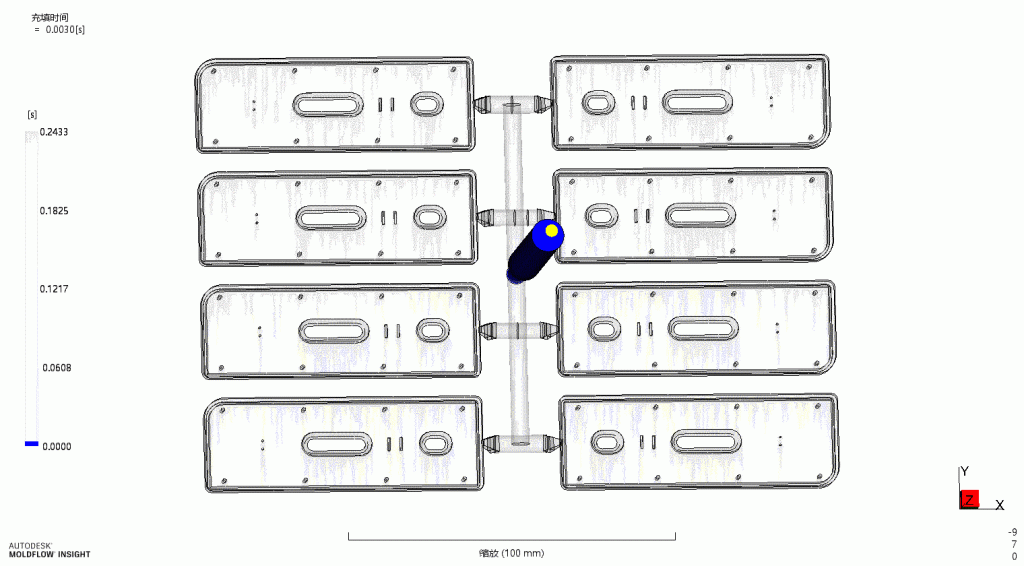
Using Mouldflow analysis, we optimized the filling, packing, and cooling processes of antigen test kit moulds, ensuring uniform filling and minimizing defects such as bubbles and warping. The optimized design enhances production efficiency and product consistency, ensuring stable quality for each antigen test kit.