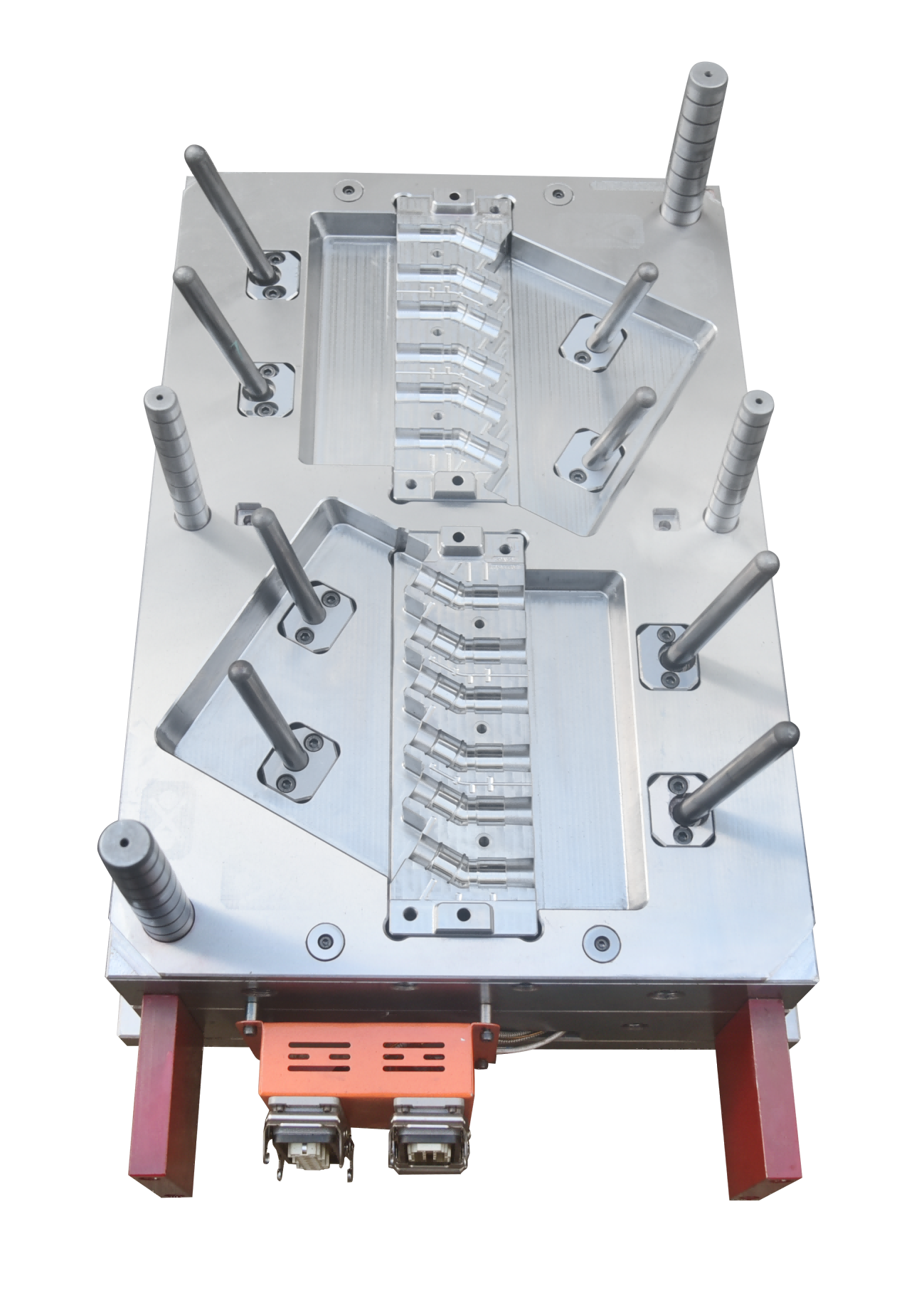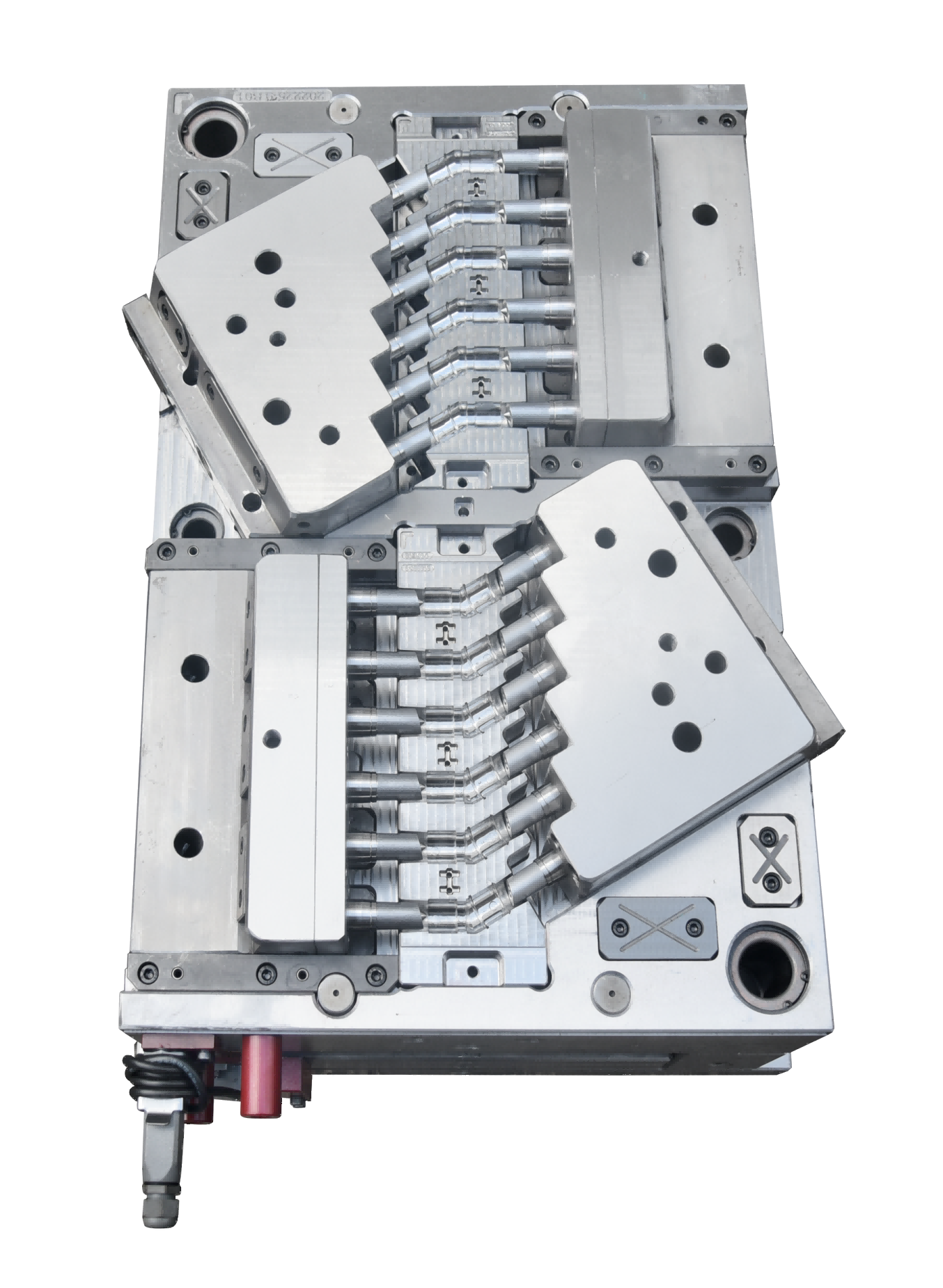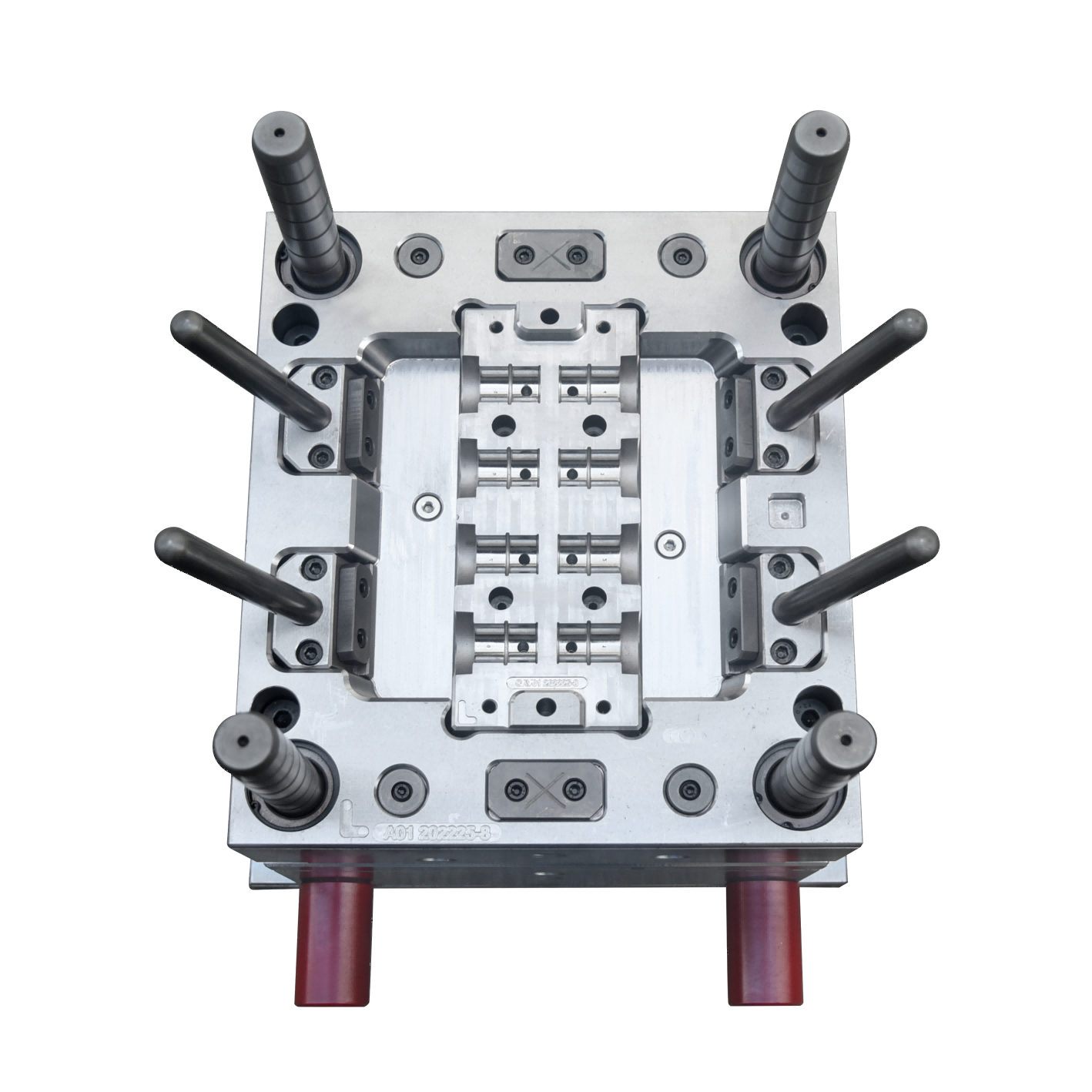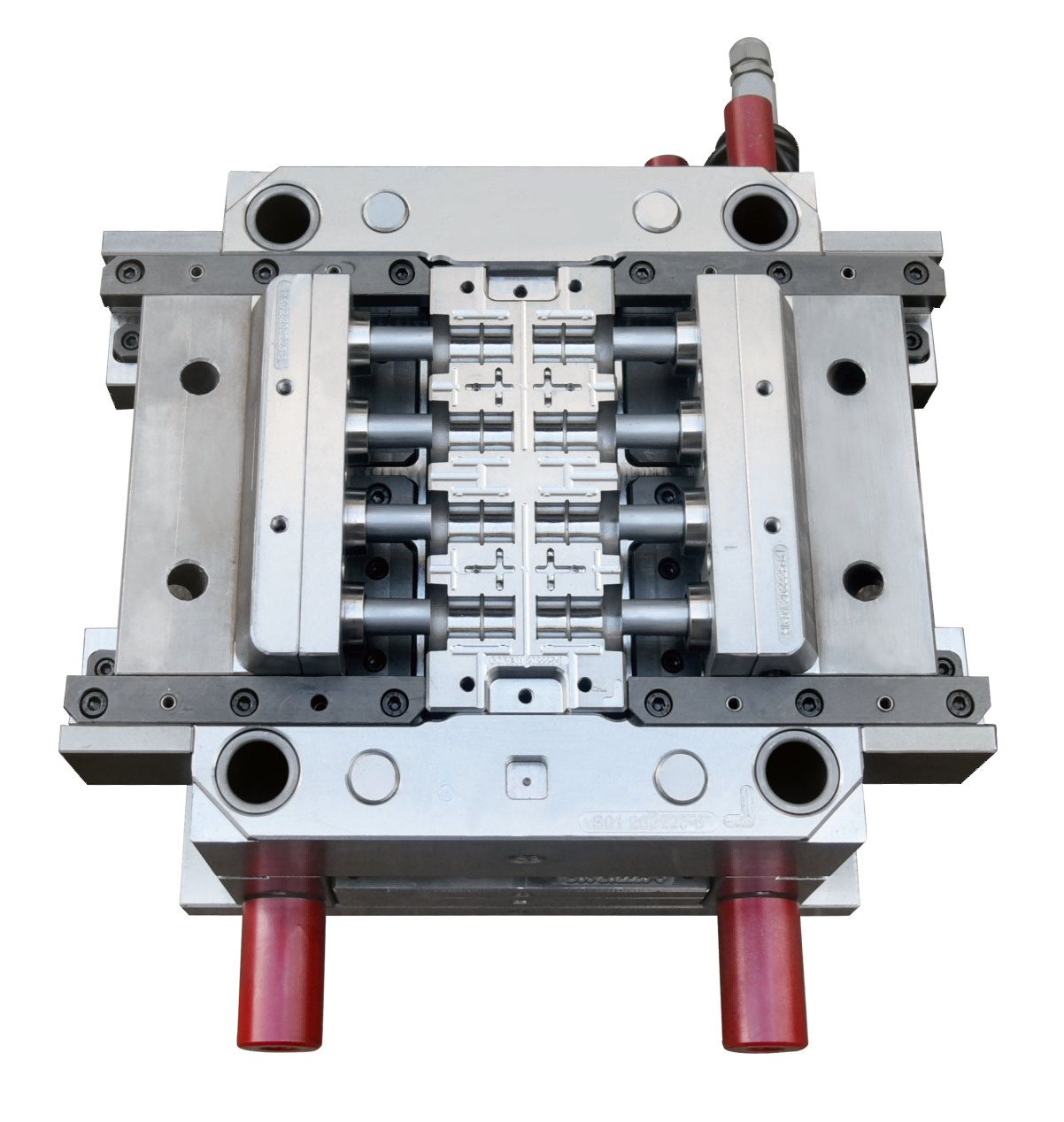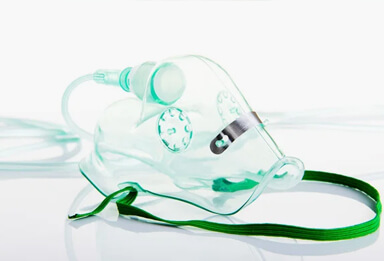
Oxygen Mask Mould
SINO MOULD specializes in the design and manufacturing of oxygen mask moulds, including standard oxygen mask moulds, oxygen mask moulds with mask rings, and custom combined mould solutions. Our moulds are engineered to meet stringent medical hygiene standards, offering high precision and durability to ensure stable performance in high-frequency production environments, widely used in the medical device industry.
Standard Oxygen Mask Mould Details
Below are examples of the most common parameters for oxygen mask moulds:
Oxygen Mask Mould Cavity Steel | S136 / DIN 1.2316 / 420 | Recommended Injection Machine | DKM FE Series All-Electric Injection Moulding Machine |
Oxygen Mask Mould Core Steel | S136 / DIN 1.2316 / 420 | Plastic Material | PVC/TPE Medical-grade PVC/TPE |
Mould Base Standard / Steel | 4Cr13 Pre-hardened Stainless Steel | Ejection System | Stripper |
Sliders, Inserts, Lifters Steel | High-strength tool steel with surface hardening treatment | Injection Process | High-speed injection, short cycle time, precise temperature control |
Number of Cavities | 2–16cavities | Injection Cycle Time | 15–25 seconds |
Runner System | Cold runner system | Mould Manufacturing Lead Time | 40–65 days |
Key Quality Points of Oxygen Mask Moulds
●Precision Dimensional Consistency: It ensures the accurate size of the oxygen mask and perfect sealing performance, guaranteeing comfort and safety for patients.
●High Temperature and Pressure Resistance: Utilizes high-temperature and high-pressure resistant materials to ensure mould stability during prolonged high-speed production.
●High-Quality Surface Finish: Mirror-polished mould cavities minimize material residue, enhance moulding precision, and guarantee the cleanliness of oxygen masks.
Key Machining Points for Oxygen Mask Moulds
1.High-Precision CNC Machining
Oxygen mask moulds rely on CNC precision machining to ensure that all mould components (such as cavities, cores) meet strict dimensional tolerances, typically controlled within ±0.01mm. This precision ensures mould stability and consistency, improving mould production efficiency and product quality.
2.Mirror Polishing of Inner Cavities
The inner cavity of oxygen mask moulds undergoes mirror polishing to reduce liquid or gas adhesion, preventing residue buildup. This improves mould flowability, ensuring smooth and flawless surfaces for the oxygen mask, reducing defects during the moulding process.
3.High-Temperature & Corrosion-Resistant Material Selection
Oxygen mask moulds typically use S136 stainless steel (or similar materials) for their excellent high-temperature and corrosion resistance. These materials maintain stable performance in high-temperature injection moulding environments, ensuring long-term durability without degradation.
4.Ejection System & Venting Design
The ejection system of oxygen mask moulds must be efficient and reliable, typically using stripper plates, sliders, etc., to ensure quick and damage-free ejection. The mould must also be equipped with an efficient venting system to prevent air entrapment and air bubbles, ensuring defect-free products.
5.Wear Resistance & Long-Term Usability
Oxygen mask moulds are subject to frequent high-pressure injection moulding. Therefore, the materials and machining processes must ensure wear resistance. Wear-resistant materials and surface treatments are used to guarantee that the moulds maintain consistent production efficiency during long-term high-frequency use.