
Petri Dish Mould
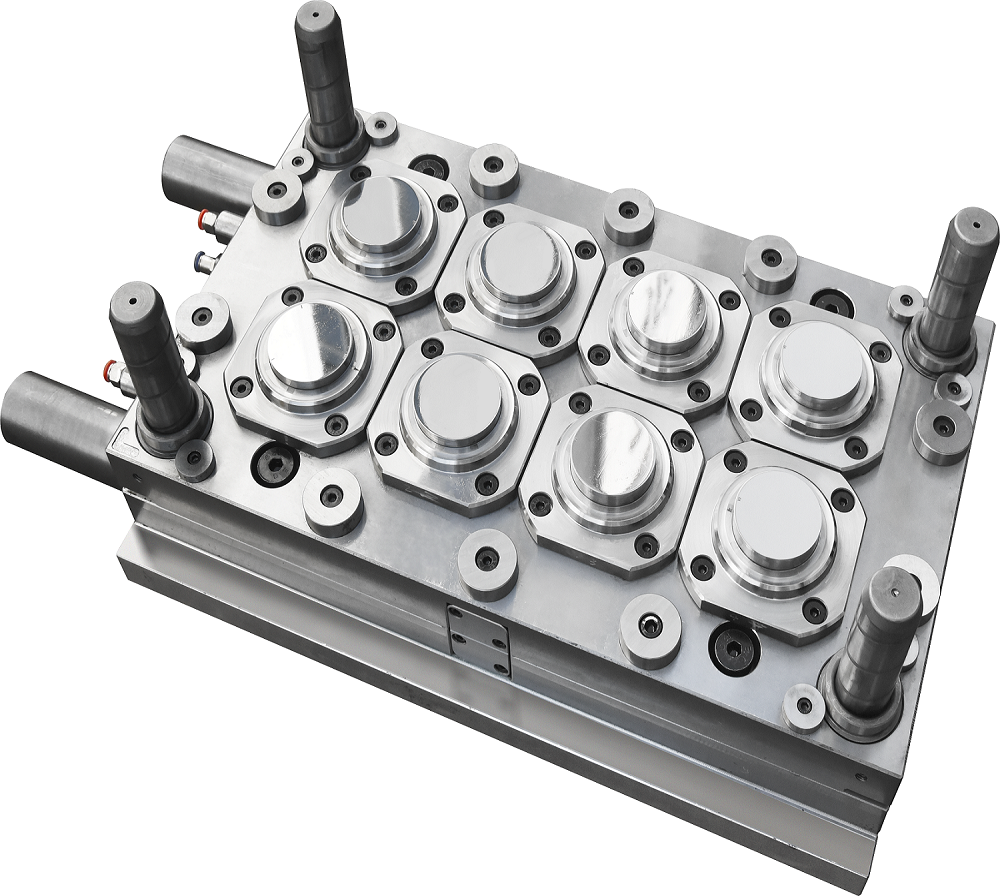
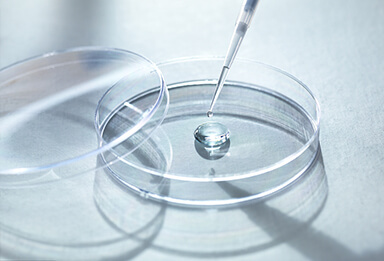
SINO MOULD has over 20 years of experience in the medical consumables industry, specializing in the development and manufacturing of petri dish moulds and lidded petri dish moulds. We provide stable, clean, and production-ready mould solutions for laboratory consumable manufacturers worldwide.
For petri dish products with different structures and application requirements, SINO MOULD offers not only standalone petri dish moulds or lid moulds, but also combined mould solutions capable of producing both petri dishes and lids within a single mould, according to the customer’s production strategy. This approach ensures precise fit between components while improving production efficiency and reducing overall investment.
In addition, SINO MOULD supplies fully automated petri dish production line solutions. By integrating robotic take-out systems after injection moulding, products are handled without manual contact, significantly enhancing cleanliness, consistency, and production stability—especially suitable for applications with high cleanliness requirements.
Standard Petri Dish Mould Details
Below are examples of the most common parameters for Petri Dish moulds.
Petri Dish Mould Cavity Steel | S136 / DIN 1.2316 | Recommended Injection Machine | DKM FE Series All-Electric Injection Moulding Machine |
Petri Dish Mould Core Steel | S136 / DIN 1.2316 | Plastic Material | Medical-grade PS / PP |
Mould Base Standard / Steel | 4Cr13 Pre-hardened Stainless Steel | Ejection System | Stripper |
Sliders, Inserts, Lifters Steel | High-strength tool steel with surface hardening treatment | Injection Process | High-speed injection, short cycle time, precise temperature control |
Number of Cavities | 4–16 cavities | Injection Cycle Time | 6–10 seconds |
Hot Runner System | Fully needle valve hot runner system | Mould Manufacturing Lead Time | 40–65 days |
Key Quality Points of Petri Dish Moulds
- Dimensional Consistency and Stacking Stability,Precisely controlled diameter, height, and bottom flatness of each petri dish ensure excellent stacking stability during automated packaging, storage, and transportation.
- High Transparency and Aesthetic Quality,The mould cavities undergo mirror polishing to minimize weld lines, flow marks, and haze, ensuring clear appearance and excellent light transmission.
- Multi-Cavity Balance and Weight Consistency,Optimized runner balance and gate layout guarantee consistent weight, dimensions, and appearance across all dishes in multi-cavity moulding, supporting large-scale continuous production.
- Long-Term Operational Stability,Critical mould components utilize wear-resistant, corrosion-resistant steel with surface hardening treatments, guaranteeing sustained, stable performance during high-speed production cycles.
Machining Highlights for Petri Dish Moulds
Petri dish moulds are thin-wall, large-diameter precision moulds. Their machining accuracy directly affects product appearance, fitting performance, and production stability. SINO MOULD focuses on the following key machining aspects:
- Cavity Flatness and Roundness Control,Precise control of cavity flatness and roundness ensures a smooth and level bottom surface of each petri dish, preventing unstable stacking and material jamming in automated petri dish packaging systems.
- Dimensional Stability in Thin-Wall Areas,Through optimized machining sequences and effective stress control, the petri dish mould ensures uniform wall thickness, minimizing deformation and shrinkage during moulding and continuous production.
- Consistent Mirror Polishing Quality,Unified mirror polishing standards are applied across all cavity surfaces to avoid localized haze or gloss variation, significantly enhancing the overall appearance and transparency of petri dishes.
- Mould Assembly Precision,High-precision mould assembly ensures smooth opening and closing actions, tight parting lines, and reliable alignment, effectively reducing flash formation and lowering maintenance frequency during long-term petri dish production.
Mould Flow Analysis for Petri Dish Moulds
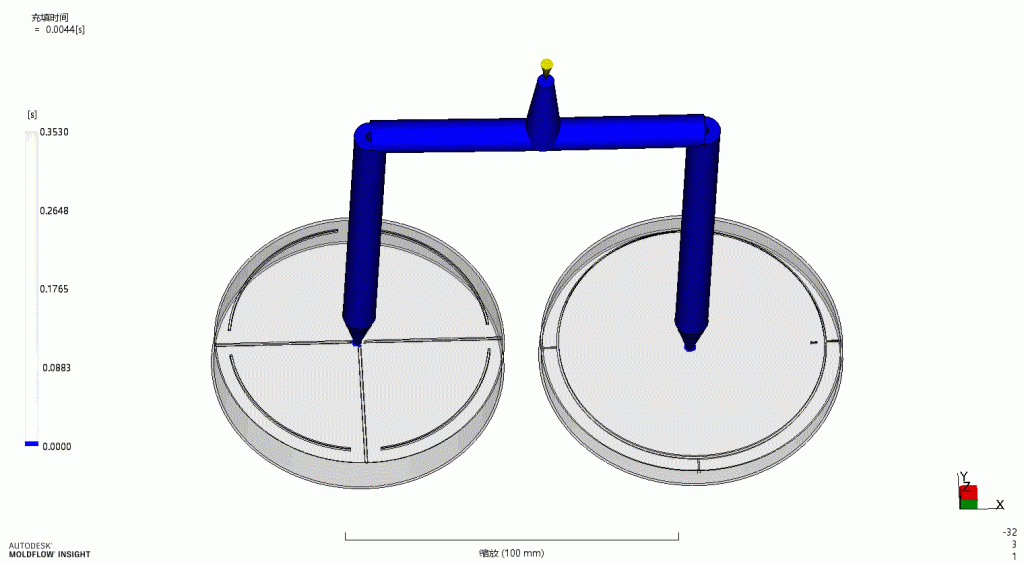
Using Mouldflow analysis, the filling, pressure-holding, and cooling processes of the petri dish mould are analyzed and optimized. Gate positions and runner structures are refined to ensure balanced multi-cavity filling, effectively reducing the risks of deformation and shrinkage during petri dish moulding.
Petri Dish Mould Testing Video
Demonstrating the stable operation of the petri dish mould under high-speed injection moulding conditions.