
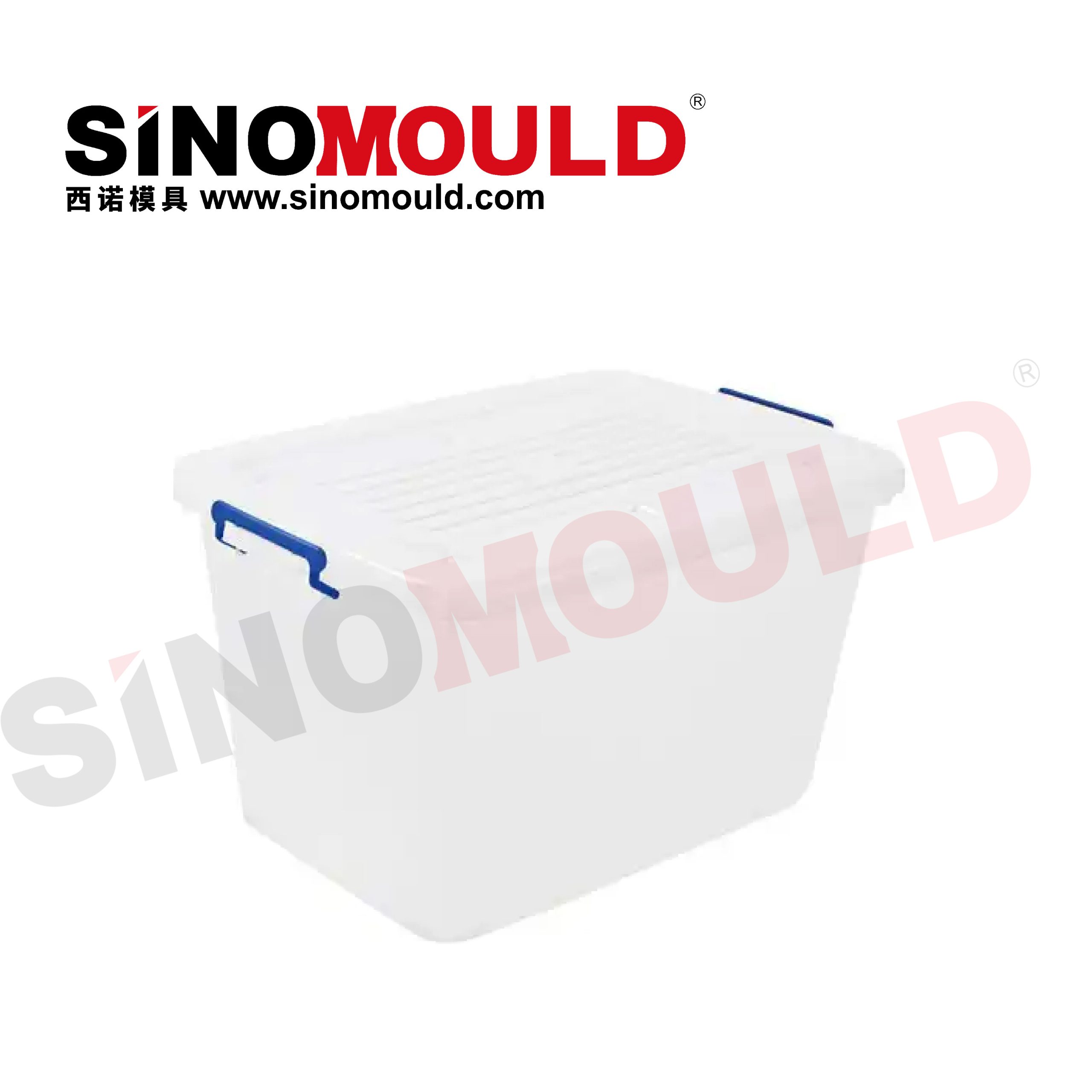
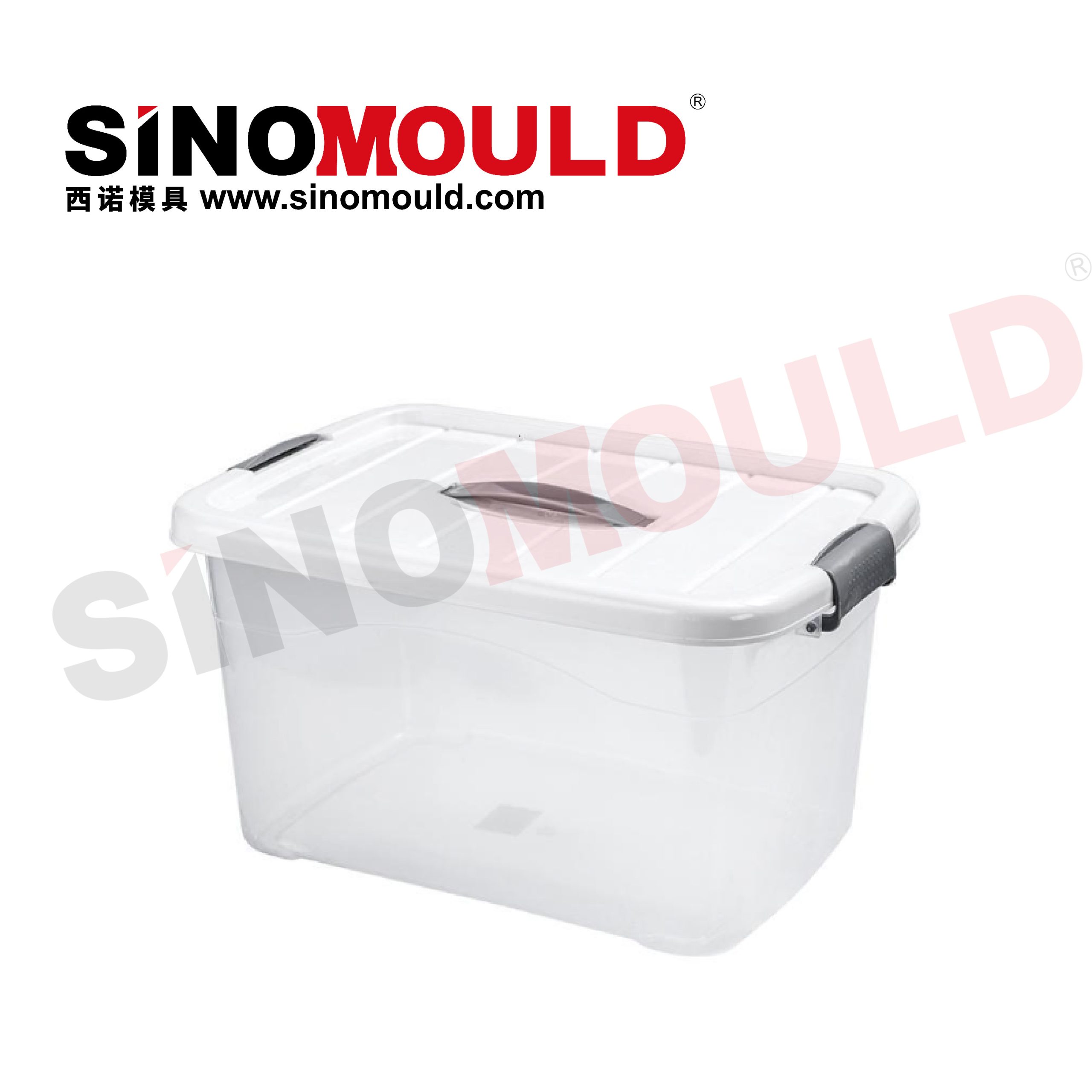
Storage Box Mould
SINO MOULD specializes in the design and manufacturing of centrifuge tube moulds, including standard centrifuge tube moulds, centrifuge tube moulds with caps, and flexible combined mould solutions. Our moulds are engineered to meet medical cleanliness standards, dimensional stability, and long-term high-speed production requirements, supporting large-scale manufacturing of laboratory and medical disposable products.
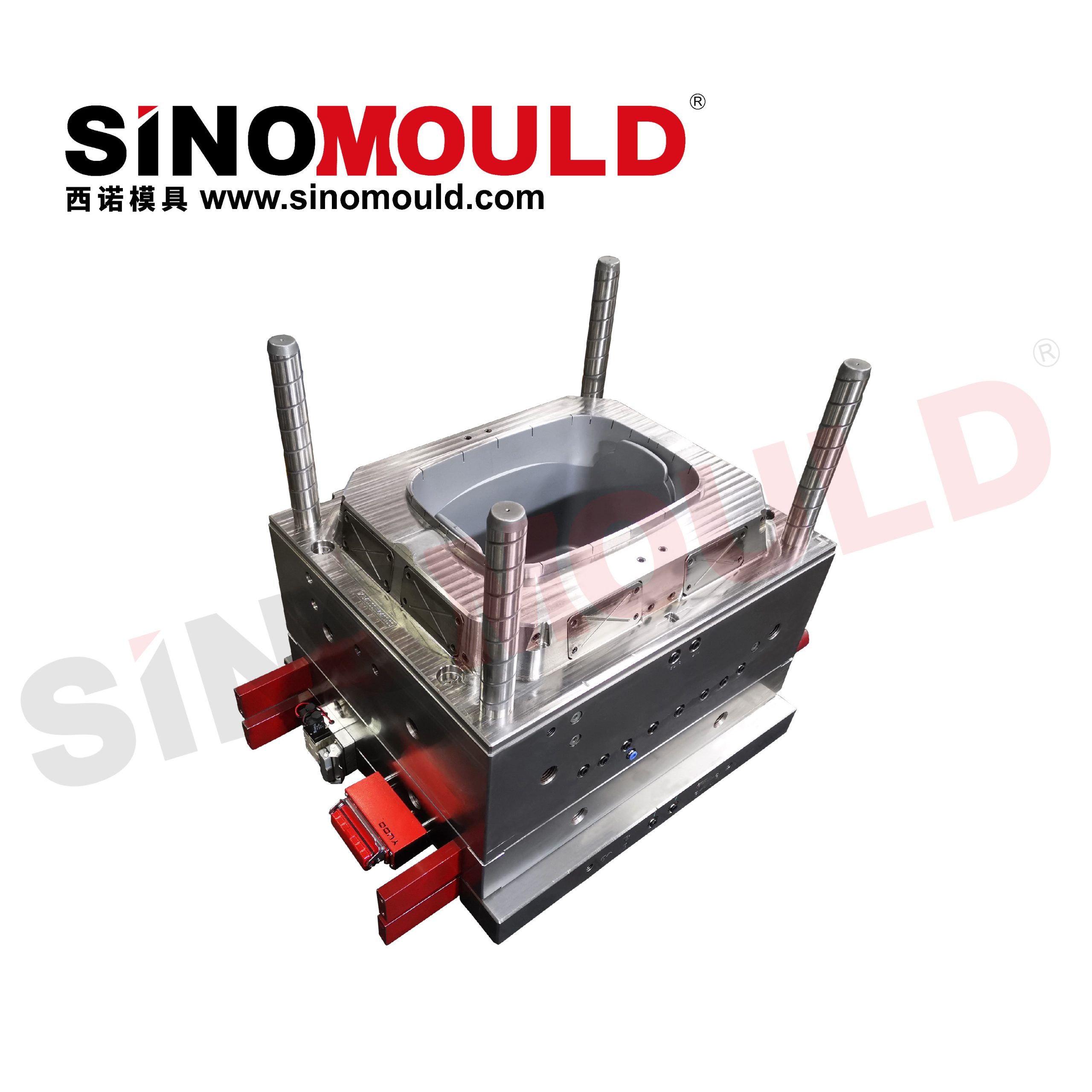
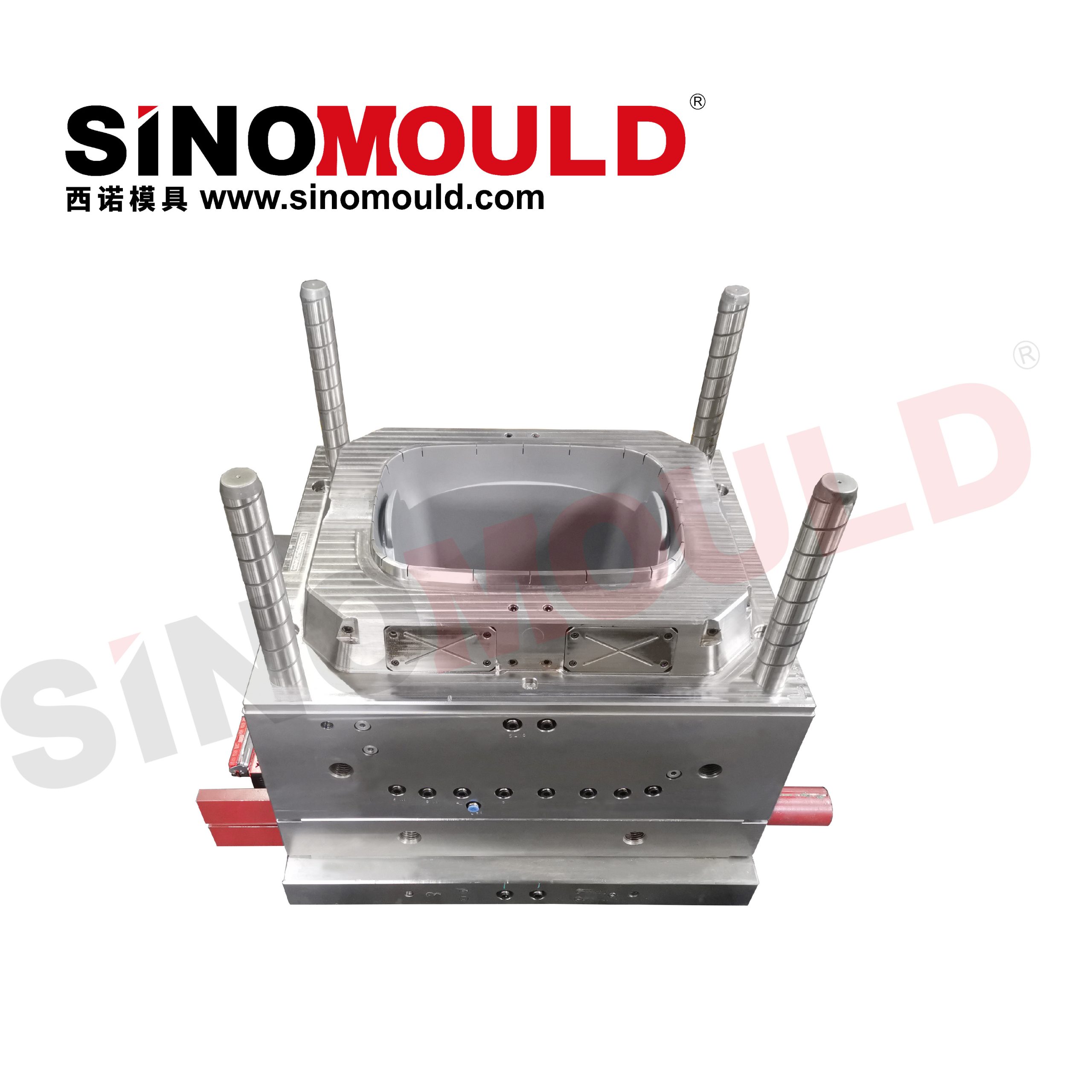
Storage Box Mould Details
Storage Box Mould Cavity Steel | 718H | Recommended Injection Machine | DKM DH Injection Moulding Machine |
Storage Box Mould Core Steel | 718H | MFI Plastic Material & MFI | PP, typical MFI 60 g/10 min |
Mould Base Standard / Steel | S45 | Ejection System | Stripper or Robot |
Sliders, Inserts, Lifters Steel | 718H | Injection Process | High-speed injection, short cycle time, precise temperature control |
Number of Cavities | 1Cavity or 2Caivity | Injection Cycle Time | 25–40 seconds |
Hot Runner System | Value Hot runner
| Mould Manufacturing Lead Time | 40–65 days |
Key Quality Points of Storage Box Moulds
SINOMOULD has extensive experience in the design and manufacturing of storage box moulds, supplying over 60 sets annually to customers worldwide. We fully understand the core requirements for storage box products—cycle time, dimensional stability, surface quality, and mould longevity—and strictly control the following key aspects:
01 Thin-Wall & High-Speed Moulding Design
- Storage boxes typically feature thin-wall structures (2-3mm wall thickness). High-speed injection moulding ensures rapid cavity filling before cooling, preventing flow marks and short shots.
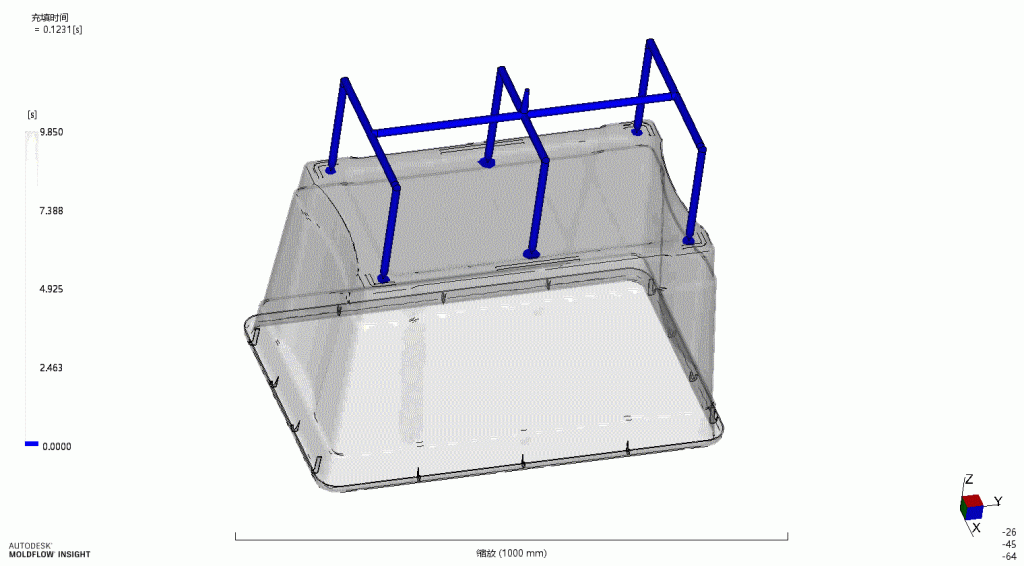
- Optimized multi-point gating system (valve gate hot runner) enables sequential injection, reducing weld lines and improving surface appearance.
02 Efficient Cooling & Short Cycle Time
Conformal cooling channels closely follow the product contour, significantly improving cooling efficiency and shortening cycle time (target 30-60 seconds).
Precise temperature control via mould temperature controller (±1-2℃) ensures uniform mould temperature and minimizes warpage.
03 Steel Selection & Surface Treatment
Core & Cavity: Made of P20 or 718H pre-hardened steel, offering good polishability and wear resistance for high-volume production. For transparent storage boxes
Mould Base: Made of S45C or 4Cr13 steel, ensuring rigidity and long-term stability.
Surface Finish: Cavity surfaces are finely polished (mirror finish for transparent products) to ensure smooth ejection and clean surface appearance.
04 Anti-Warpage Design for Large-Size Products
- Optimized rib design maintains product rigidity while preventing local sink marks.
- Optimized draft angle (typically 1°-3°) ensures smooth ejection of deep-cavity products, preventing scratches or deformation.
- Ejection system combines ejector plates with large-diameter ejector pins, ensuring stable ejection of large-size products and preventing ejector marks.
05 Optimized Venting System
- Storage boxes have large projection areas and are prone to air trapping. Precision venting grooves (0.02-0.03mm depth) are placed on parting lines and deep rib areas. Vacuum venting is added when necessary to prevent burning and short shots.
06 Mould Trial & Mass Production Validation
- During mould trial, scientific injection moulding processes are applied to systematically optimize injection pressure, speed, temperature, and holding pressure, ensuring stable dimensions and acceptable appearance.
Before shipment, continuous production testing (no less than 5 hours) is conducted to simulate actual production rhythms, validating the long-term stability of the cooling system, hot runner system, and mechanical actions.
07 Experience Advantage
- We supply over 60 sets of storage box moulds annually to customers such as Mazzei in Italy, accumulating extensive experience in mould design, machining, and injection process optimization.
- Capable of supporting various storage box types: household storage boxes, industrial crates, transparent storage boxes, collapsible storage boxes, etc.
Mould Flow Analysis for Storage Box Moulds
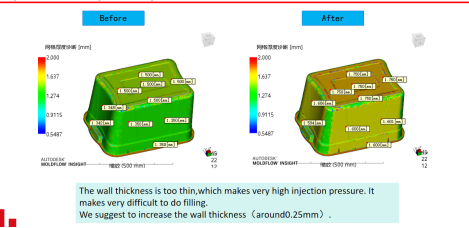
Using Mould flow analysis software, the injection process is simulated to optimize cavity structure, runner layout, and temperature control, ensuring balanced multi-cavity filling, uniform plastic distribution, and reduced risk of air traps or warpage for Storage Box moulds.
To reduce weight and save material, storage boxes are often designed with thin walls (2-3mm). However, localized areas—such as handle recesses or the roots of reinforcing ribs—may become even thinner due to structural requirements. Mould flow analysis can identify these “bottlenecks” in advance, guiding design optimization or adjustments to the injection moulding process.
Storage Box Mould Testing Video
Video demonstrating mould performance and stability under high-speed injection conditions.