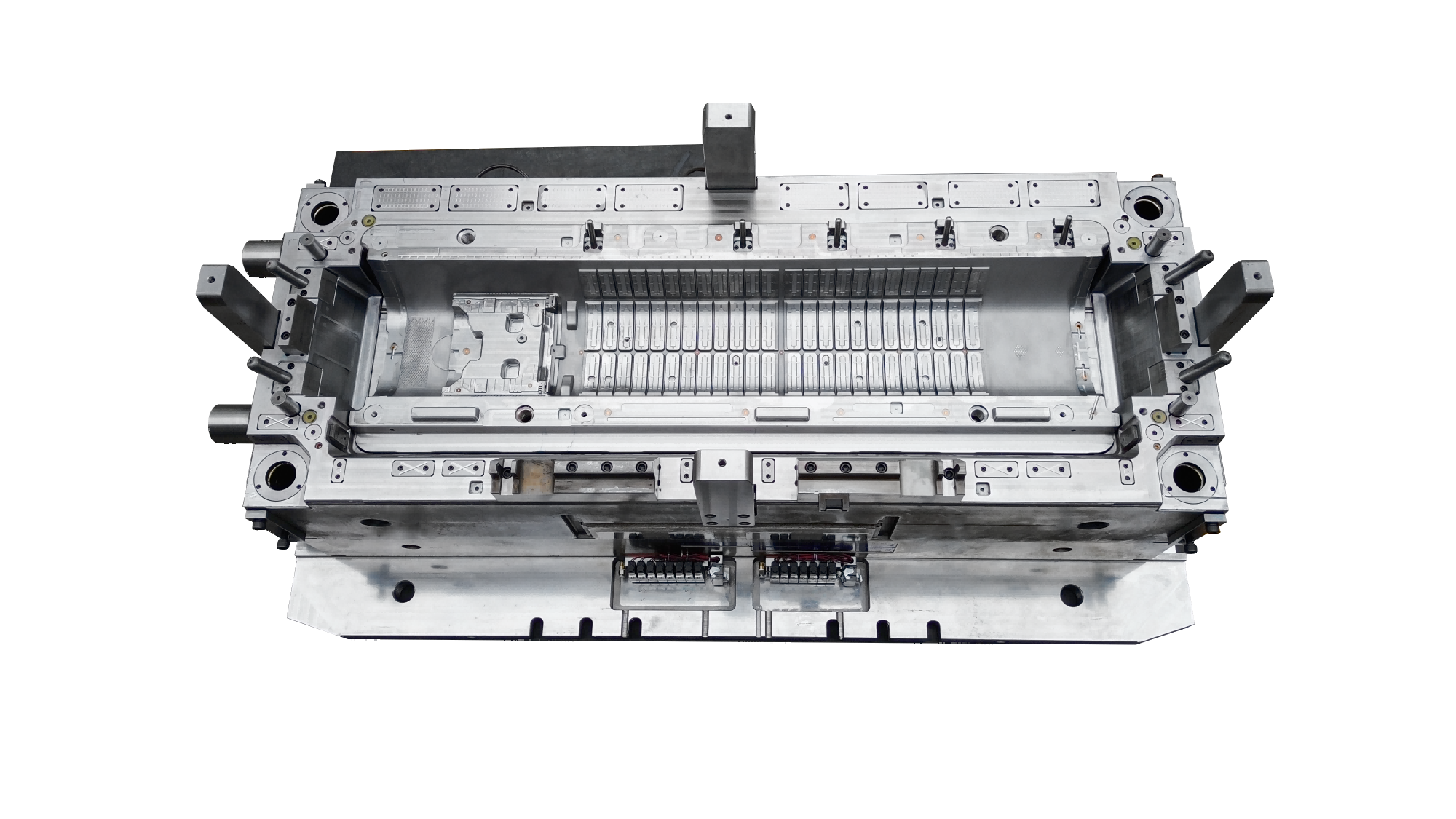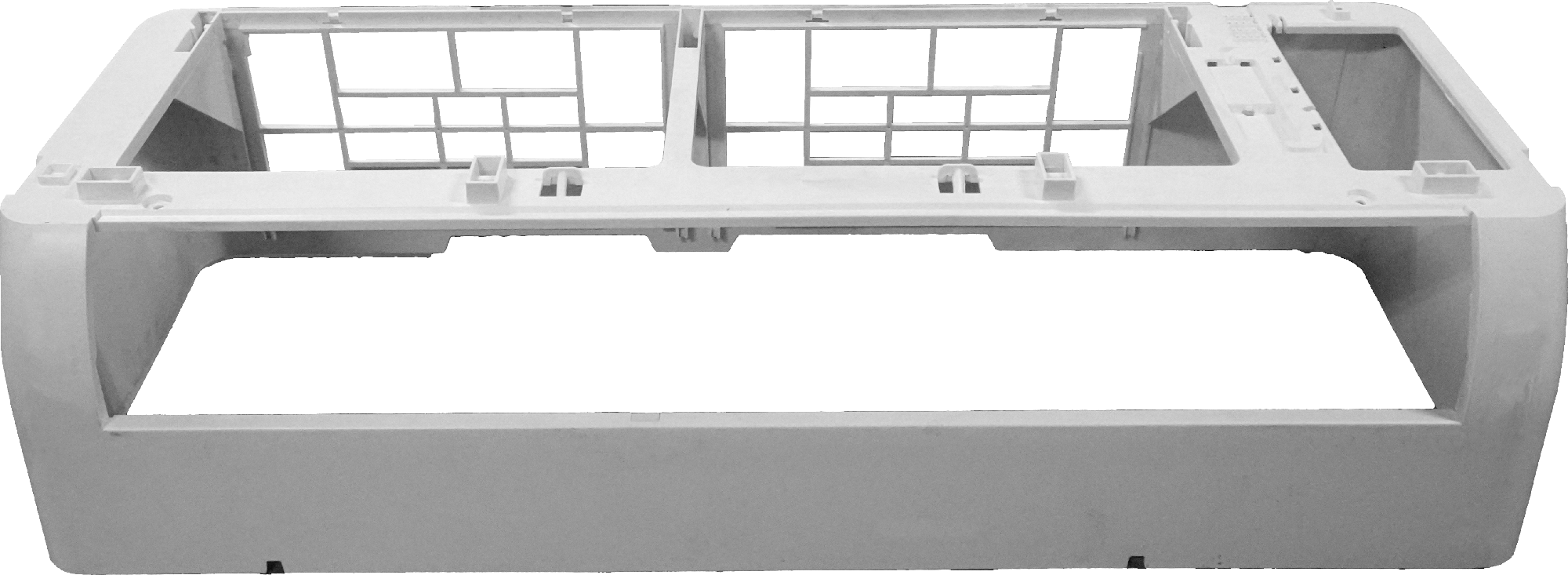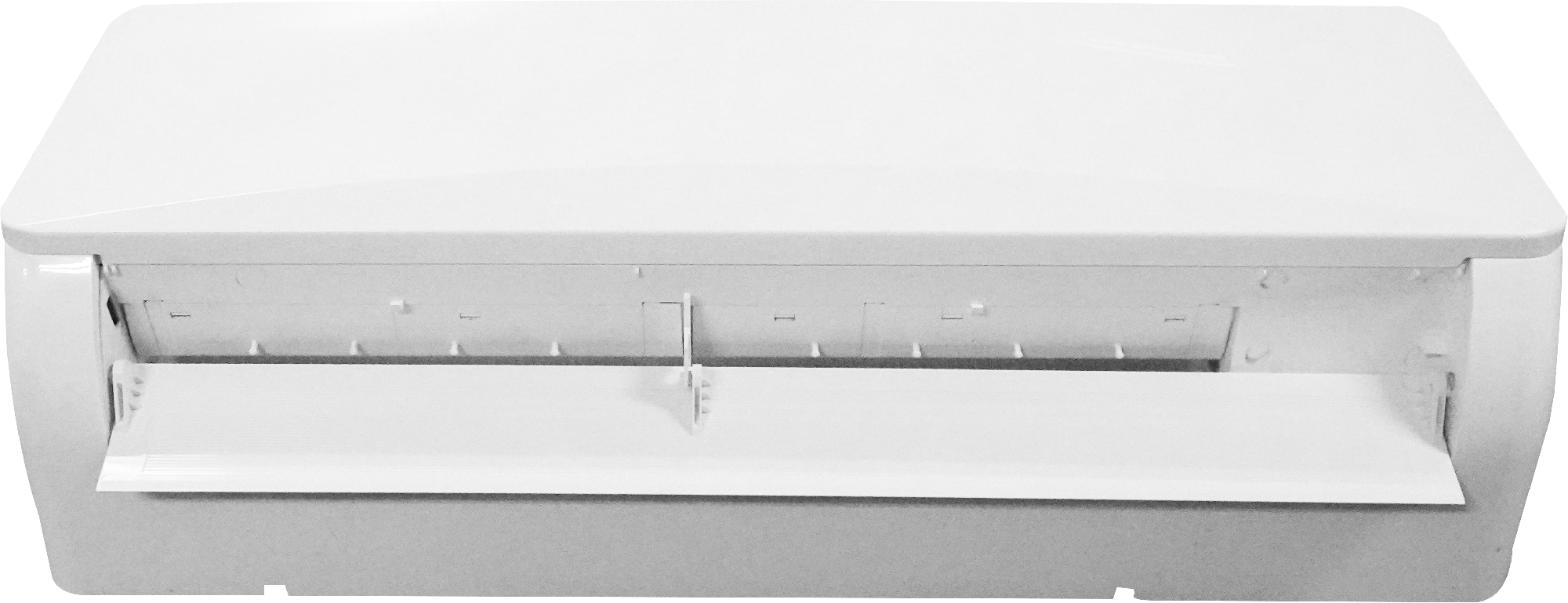
Air Conditioner Mould
In the competitive home appliance industry, the quality of air conditioner (AC) plastic components directly determines the product’s appearance, durability, and market competitiveness. As a core part of the manufacturing process, Air Conditioner Moulds play a pivotal role in shaping these critical parts. SINOMOULD, with more than 20 years of expertise in precision mould manufacturing, specializes in designing and producing high-performance AC Housing Moulds and complete air conditioner mould solutions for global clients.
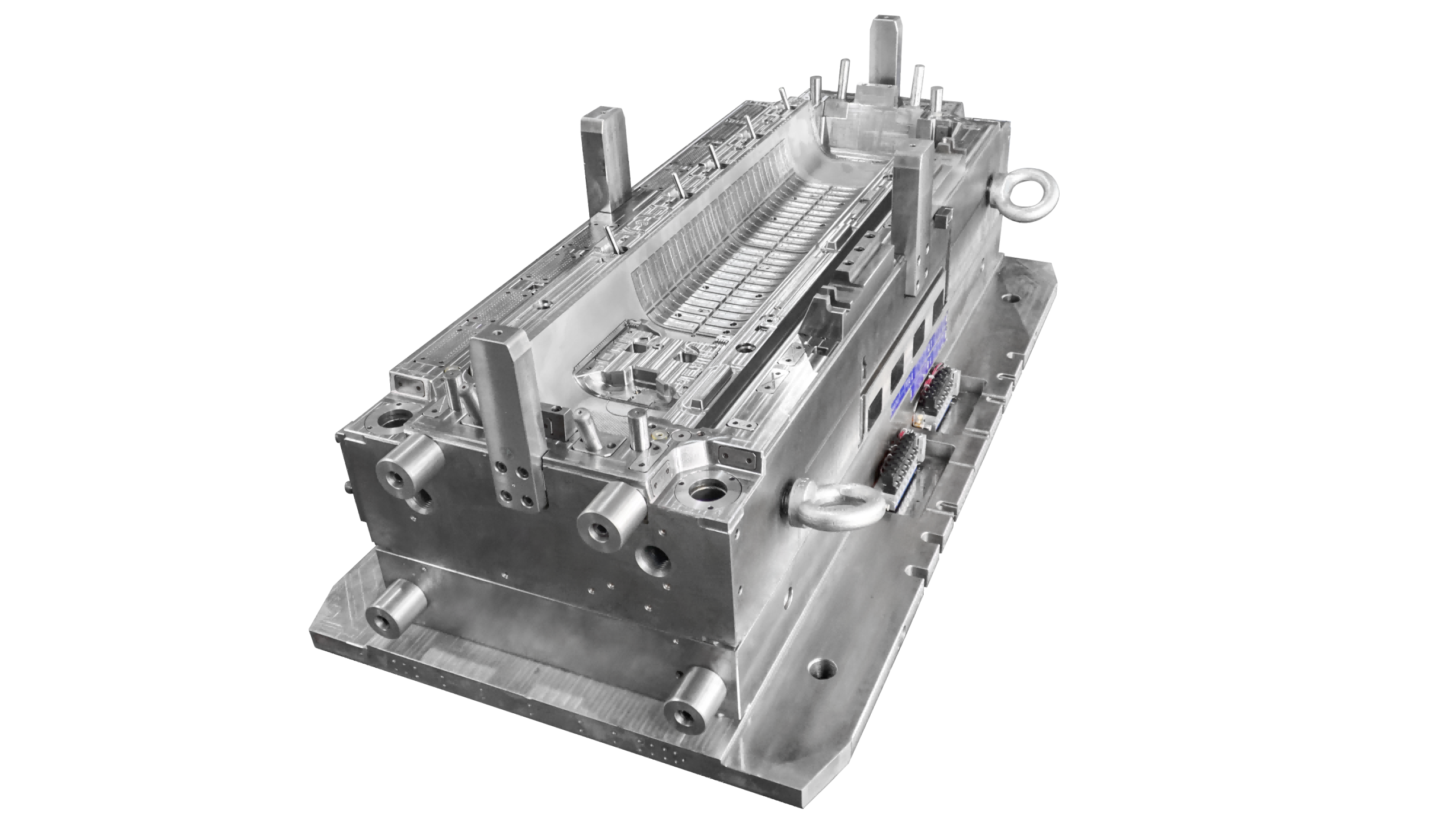
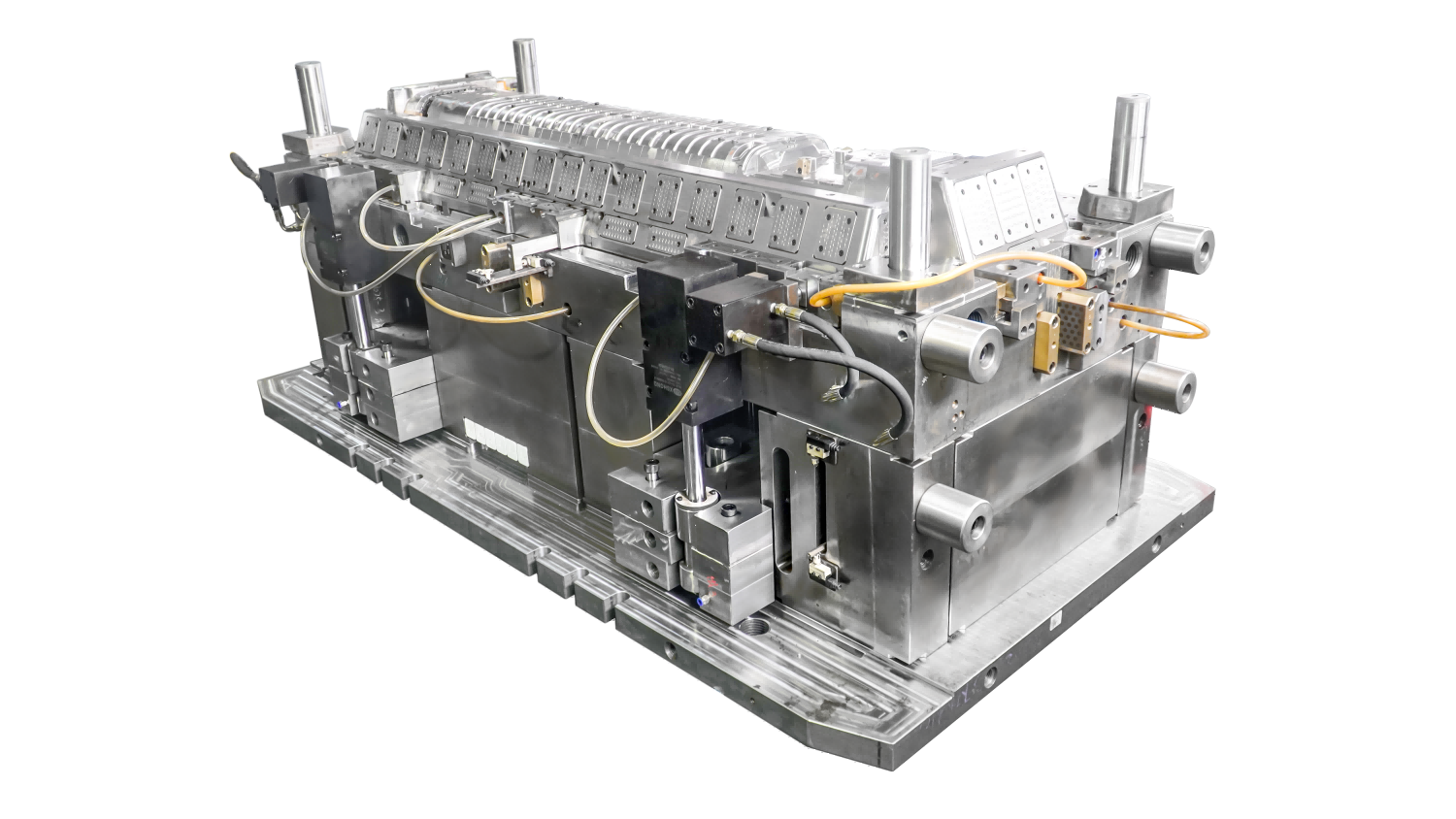
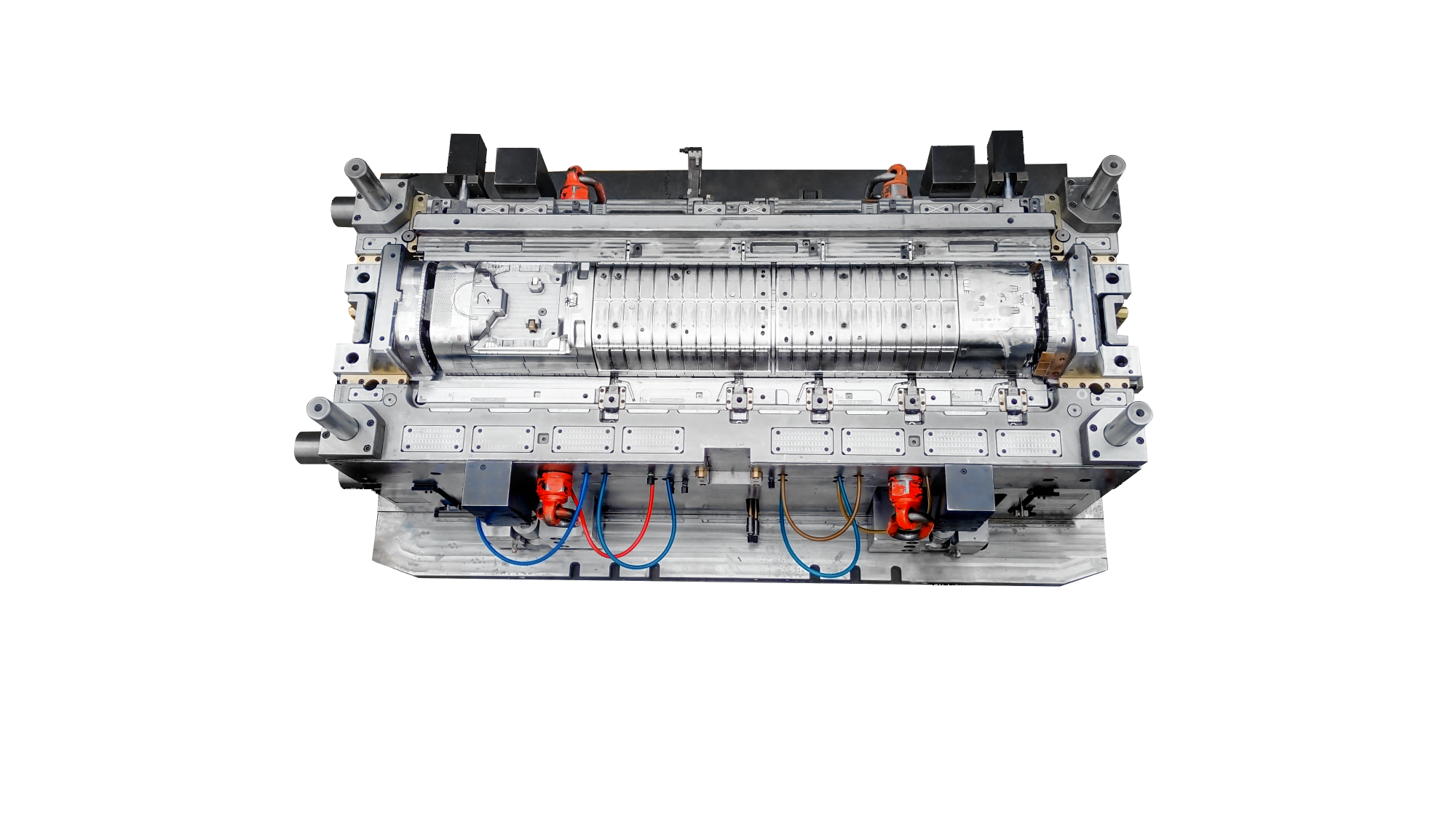
Air Conditioner Mould Details
Below are examples of the most common parameters for Air Conditioner mould.
Mould Name: | Air Conditioner Mould | Mould Cavity: | 1cavity |
Mould Cavity Steel: | H13 | Suitable Machine | DKM850Ton |
Mould Core Steel: | H13 | Plastic Material: | HIPS |
Mould Base Steel: | SINO Standard Steel | Demoulding System: | Robot |
Slider/Insert Steel: | H13 | Injection System: | High-gloss injection moulding |
Cycle Time: | 50 seconds | Delivery Time: | 75 working days |
Key Quality Points of Air Conditioner Moulds
- Steel material selection: High-hardness and high-wear-resistance high-quality steel (such as S136 and H13) are selected to ensure that the mould is not easily worn or deformed during long-term use, thus extending the mould life.
- Precision control: Strictly control the processing precision of the mould, especially the assembly surface and sealing surface of the air conditioning parts, and control the tolerance within ±0.005mm to ensure that the dimensions of the air conditioning parts after moulding are accurate and the assembly is smooth, avoiding problems such as gaps and looseness.
- Surface quality: The mould cavity and core surfaces are polished with high precision to ensure that the surface of the air conditioner parts after moulding is smooth, burr-free, and scratch-free, meeting the appearance requirements of air conditioner products; for air conditioner parts that require special textures, the textures are accurately replicated to ensure that the textures are uniform and clear.
- Stability test: After the mould is manufactured, multiple trial moulding tests are conducted to optimize the injection moulding parameters and ensure that the mould forming is stable and free from defects such as sticking, material shortage, and shrinkage marks. The product qualification rate reaches more than 99.5% during mass production.
- Durability Guarantee: The mould’s slides, ejector pins, and other vulnerable parts are reinforced to improve their wear resistance and toughness, reduce mould maintenance frequency, and lower customer production costs.
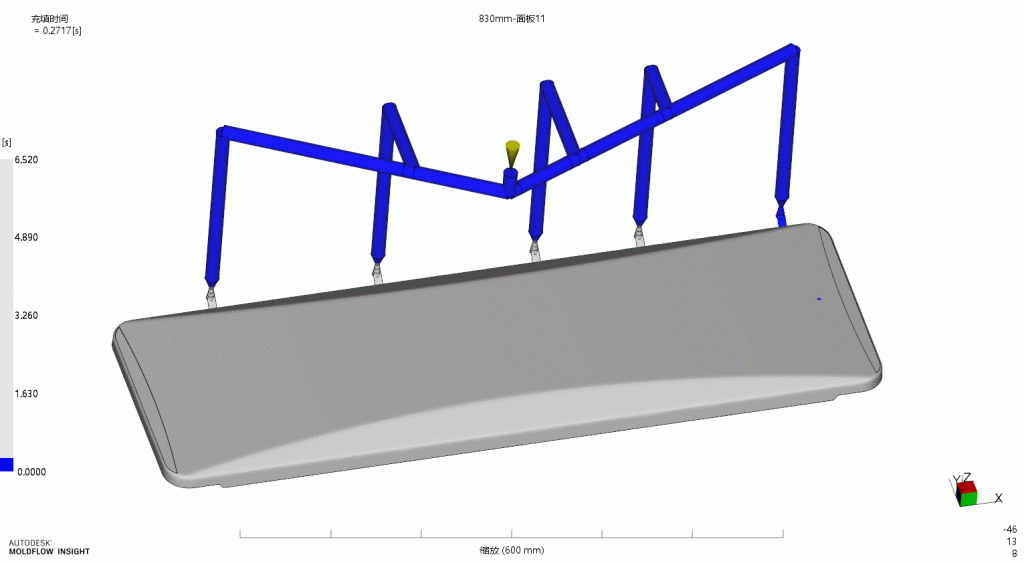
Mould Flow Analysis for Air Conditioner Moulds
Our R&D team use Mouldflow software to optimize injection systems, cooling lines, and ejection mechanisms. This ensures uniform filling, minimizes weld lines, and controls warpage within micron-level tolerances, guaranteeing the dimensional stability and aesthetic perfection of AC housings.