Blog
Toilet Seat Mould
1.Why a toilet seat mould must deliver both structural integrity and a flawless cosmetic surface
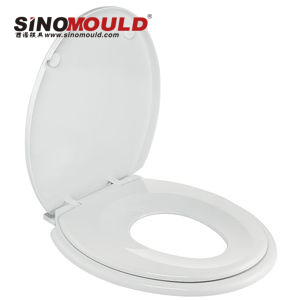
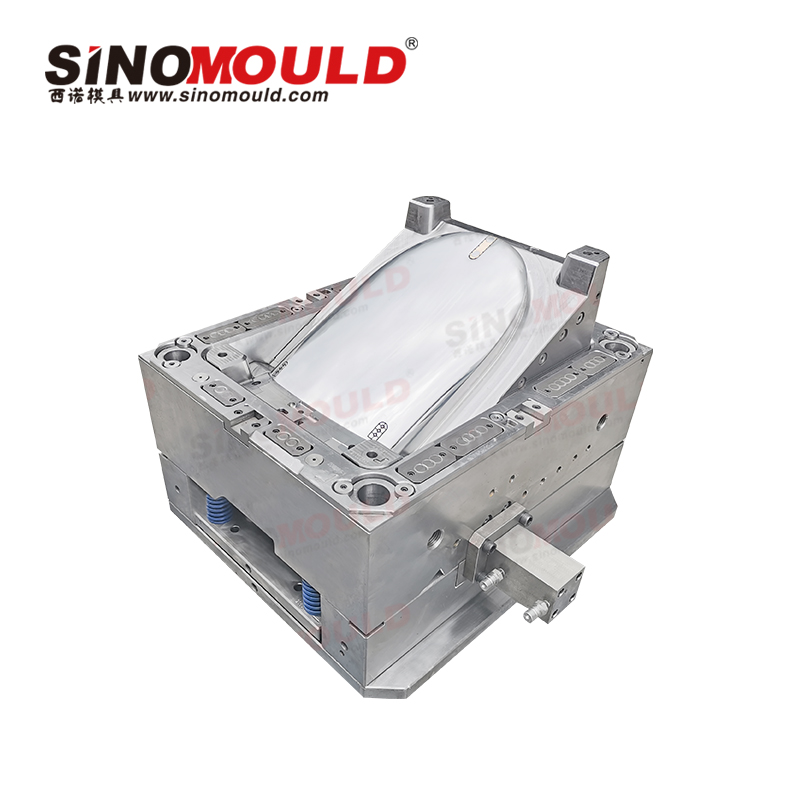
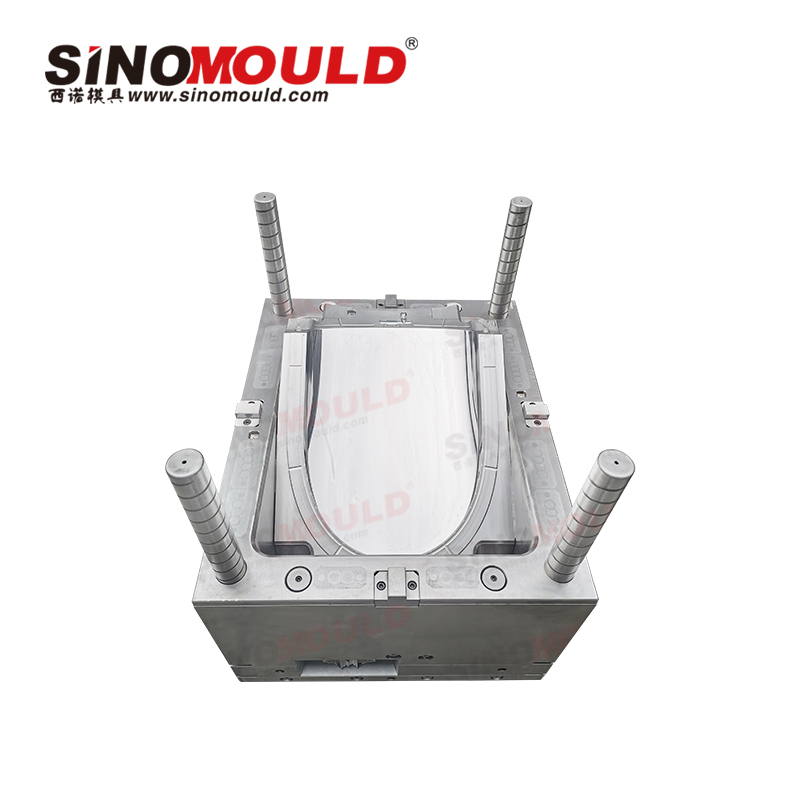
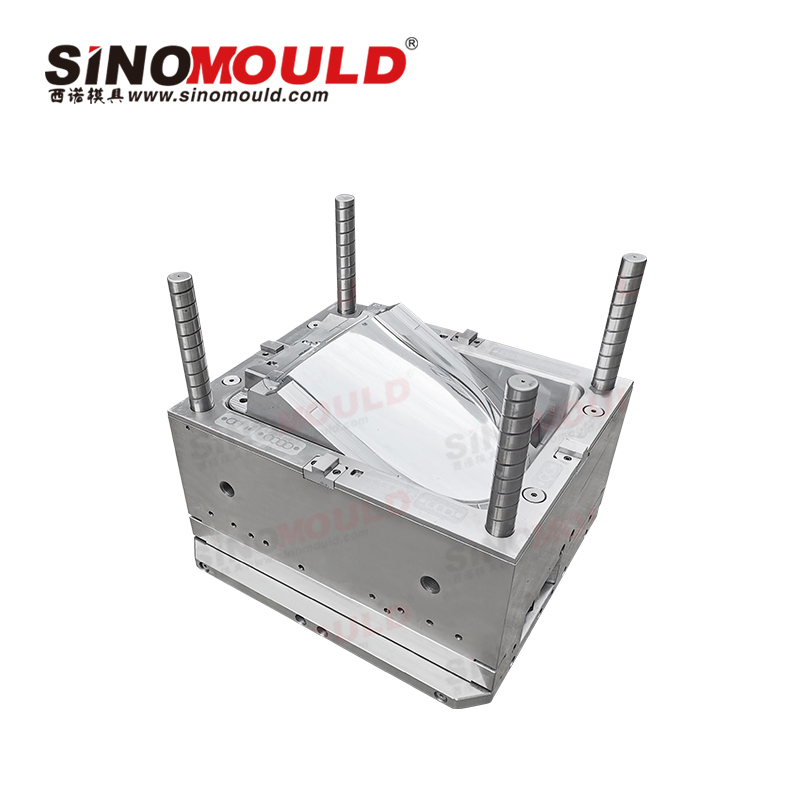
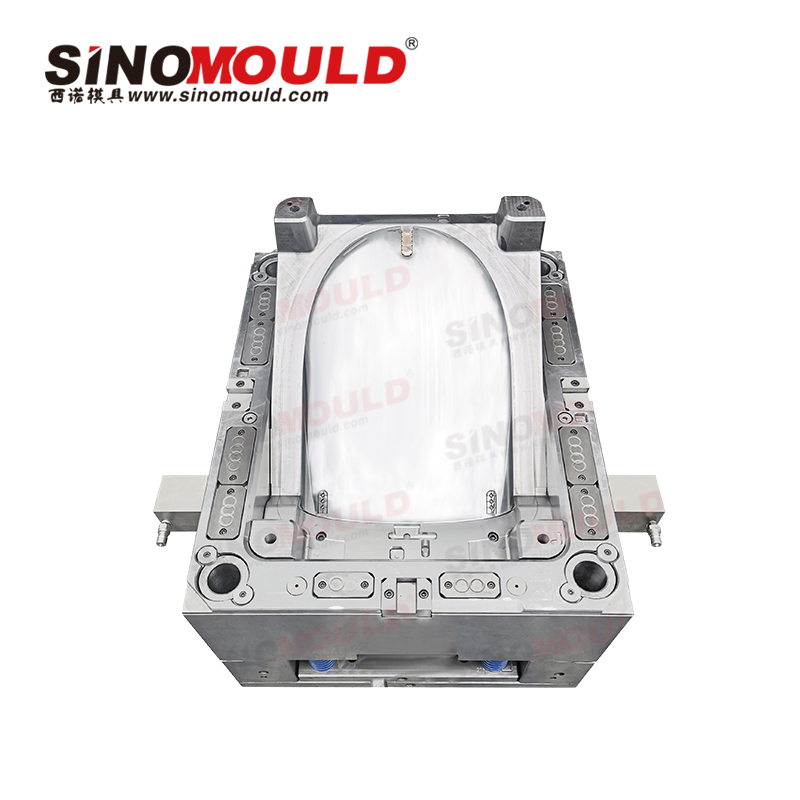
A Toilet Seat Mould is a precision injection tool built to produce the visible, touch-critical surfaces of toilet seats and covers. Unlike structural molds, the cavity face directly determines whether the finished part reads as glossy, smooth, and premium. This is where High Polish Mould technology becomes decisive: a mirror-grade cavity surface transfers its finish to every shot, eliminating secondary painting or coating while exposing any process flaw without mercy. The following outlines key parameters, quality priorities, and manufacturing essentials for toilet seat tooling built to high-polish standards.
Key Quality Points of Toilet Seat Mould
Toilet Seat Mould Quality Control Points
1. High Polish Surface Integrity
The cavity surface must achieve and maintain SPI A-1 or A-2 classification without polishing lines, orange-peel texture, or directional scratches. Surface roughness is verified by profilometry across the full cavity face, not spot-checked. Any defect in the polished surface is replicated on every part, making polish quality the single most critical acceptance criterion for cosmetic toilet seat tooling.
2. Sink Mark Prevention at Thick Sections
Toilet seats typically feature thickened zones near hinges, mounting bosses, and reinforcement ribs. These areas are prone to volumetric shrinkage that produces sink marks—defects dramatically amplified by a glossy surface. Gate placement, holding pressure profile, and localized cooling must be engineered together to feed material into shrinking cores before ejection. CAE simulation prior to cutting steel is standard practice for high-polish projects.
3. Hinge and Insert Integration Precision
Modern toilet seats frequently require hinges, bushings, or soft-close mechanisms molded directly into the seat body. Core positioning, slide mechanisms for undercuts, and insert retention features must hold tolerances tight enough to ensure hinge fit and alignment after molding. Dimensional verification of hinge-hole position and seat-to-cover mating is performed on trial shots before mould approval.
4. Weld Line and Flow Mark Control
The large, curved geometry of a toilet seat creates long flow paths and potential weld line locations—often on visible surfaces. A high-polish cavity makes every flow irregularity visible. Balanced filling through multi-point gating or sequential valve gates, combined with optimized melt temperature and injection speed profiling, is required to push weld lines to non-cosmetic zones or eliminate them entirely.
5. Demoulding Without Surface Damage
Mirror-polished surfaces combined with rigid thermoplastics can create vacuum resistance during ejection. Adequate draft angles, air-popping or vacuum-breaking features, and balanced ejector force distribution are essential to prevent drag marks, stress whitening, or cracking on the finished part. Ejector layout must account for the seat’s thin walls and open geometry.
Precision Machining Highlights for Toilet Seat Mould
Toilet Seat Mould Manufacturing Highlights
1. Mirror EDM and Precision Polishing
Cavity and core inserts are machined via 5-axis CNC, then finished with mirror EDM to minimize manual polishing depth. Final polishing progresses through graded diamond compounds in a controlled environment to achieve uniform SPI A-1/A-2 finish across complex curved surfaces. Polishing direction and pressure are documented and controlled to avoid directional gloss variation.
2. Conformal Cooling for Uniform Shrinkage
Toilet seat geometry demands cooling circuits that follow the part contour rather than straight drilled lines. Conformal cooling channels—produced by additive manufacturing or segmented inserts—equalize mold surface temperature across the seat body, reducing warpage and sink risk while shortening cycle time. Temperature uniformity is validated by thermal imaging during trial runs.
3. CAE-Driven Gate and Process Design
Moldflow or Moldex3D simulation is performed before steel cutting to predict fill patterns, weld line locations, air traps, and shrinkage variation. Gate position and type (fan gate, valve gate, or hot drop) are selected based on simulation results, with cosmetic surfaces protected from gate vestige. This reduces trial iterations and protects the high-polish cavity from unnecessary rework.
4. Steel Selection for Polishability and Corrosion Resistance
S136 stainless steel is preferred for cavity inserts due to its combination of high hardness (48–52 HRC), excellent corrosion resistance in humid molding environments, and ability to take a mirror polish without pitting. NAK80 is used where dimensional stability and polishability are prioritized. All melt-contact steels are verified for inclusion content before machining.
5. Trial Moulding with Cosmetic Inspection
Every mould undergoes continuous trial runs under simulated production conditions before shipment. Inspection includes dimensional verification of hinge positions, flatness of seating surfaces, visual examination under controlled lighting for sink marks, flow lines, and polish defects, and functional testing of hinge fit and assembly. Only moulds meeting the cosmetic standard proceed to delivery.