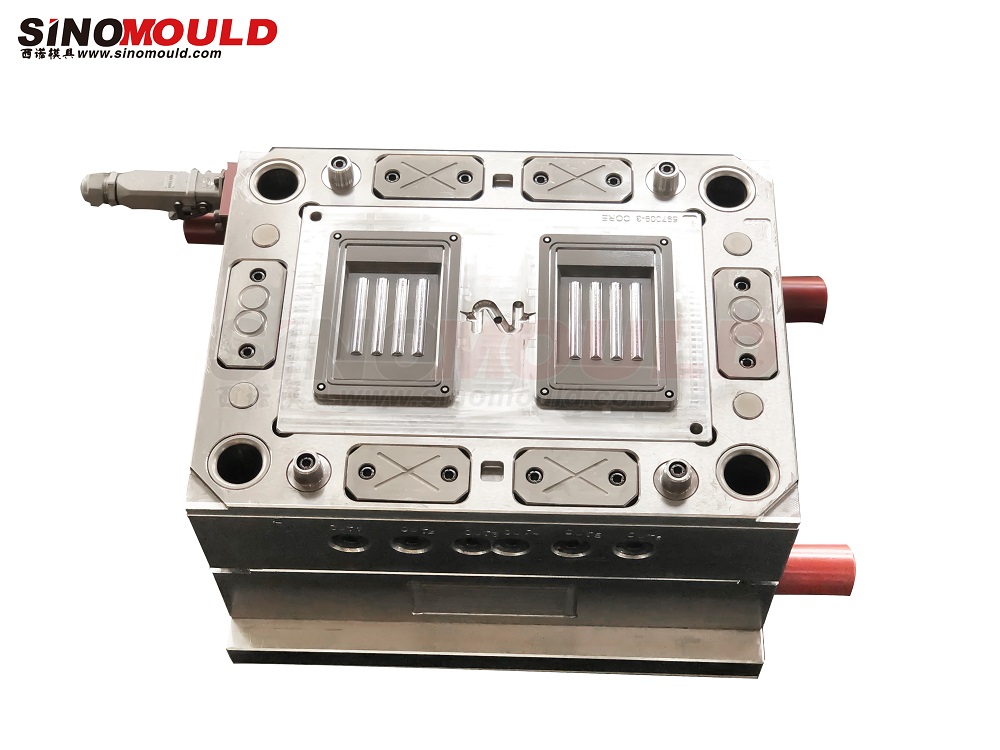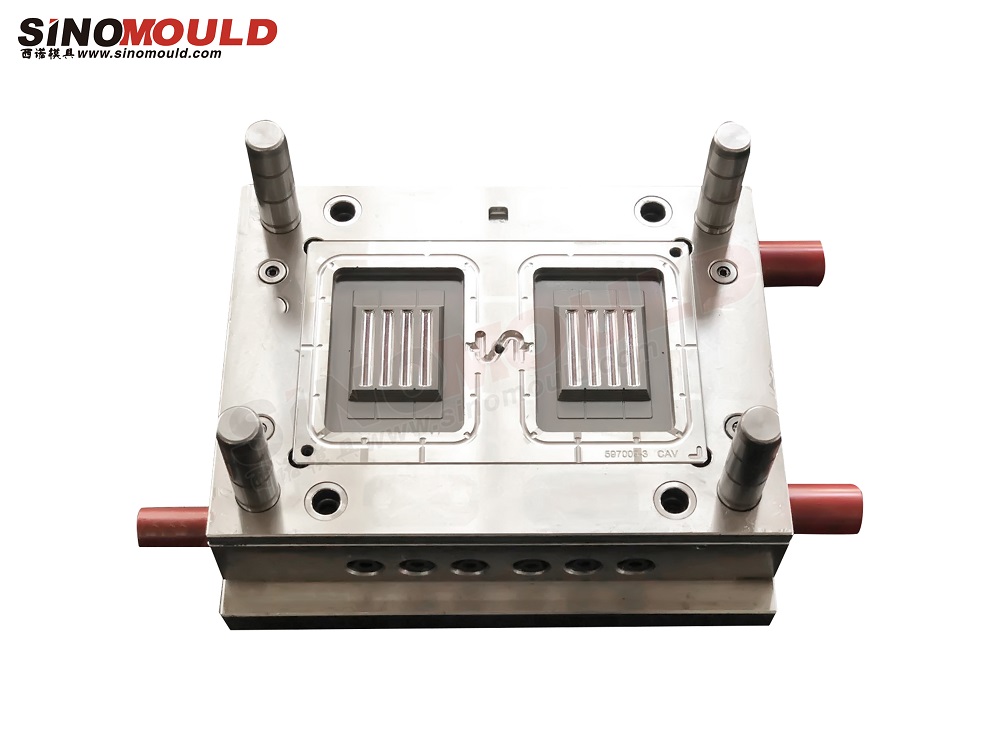
Spotlight Cover Mould
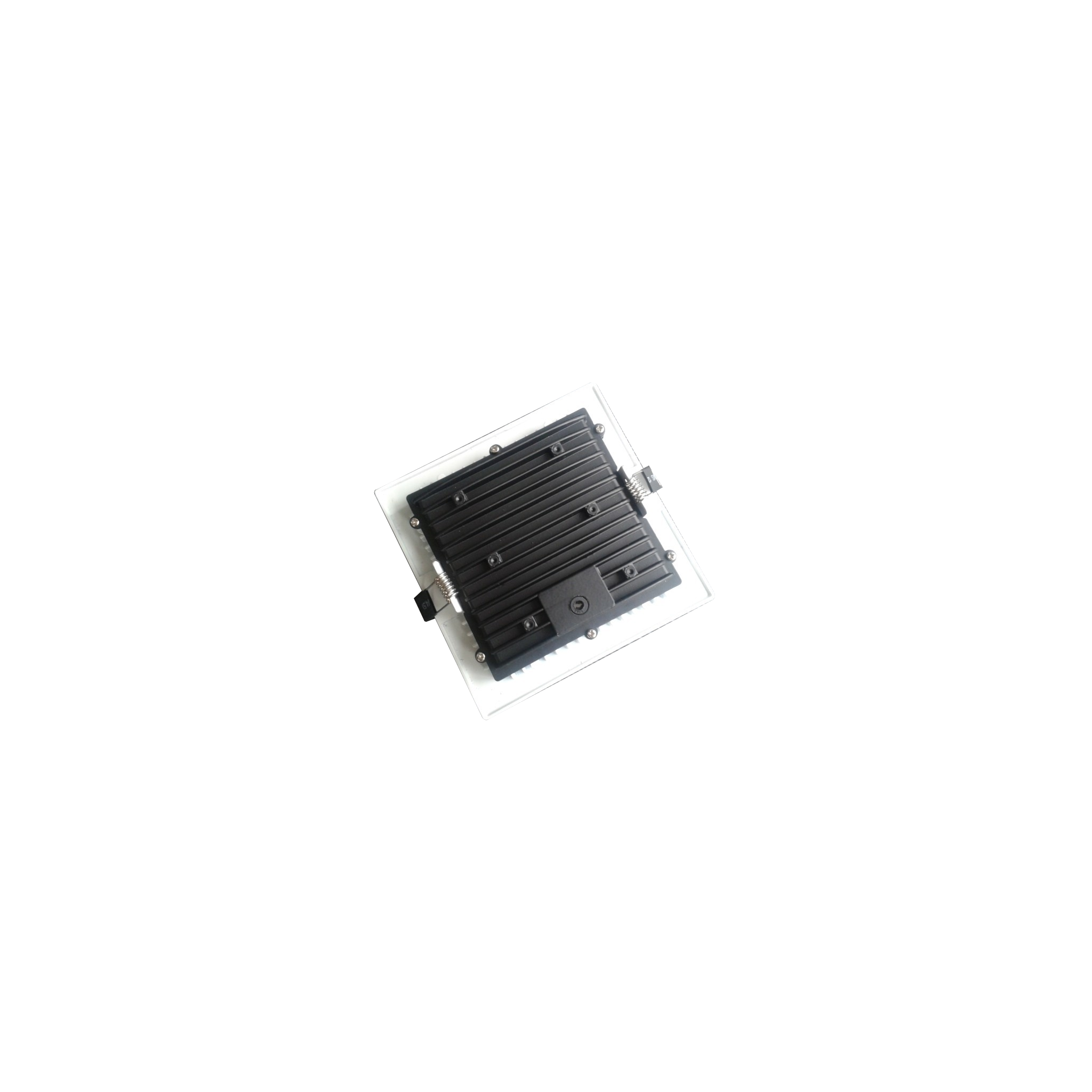
Spotlight covers are critical optical components that directly influence light output efficiency, beam angle control, and overall lighting fixture performance. Unlike standard plastic parts, spotlight covers demand exceptional transparency, uniform wall thickness, and flawless surface finish—free from flow marks, weld lines, bubbles, or optical distortion. Common materials include PMMA (acrylic) for its outstanding light transmittance (92%+) and PC (polycarbonate) for its superior impact resistance and heat deflection performance .
The moulding of transparent spotlight covers presents unique technical challenges: material selection must balance optical clarity with processability; the gating system must eliminate weld lines that compromise light transmission; and cooling must be precisely controlled to prevent internal stress and warpage that distort the light beam. Additionally, many spotlight covers feature complex geometries—deep ribs, undercuts for mounting, and fine optical textures—requiring sophisticated slide, lifter, and ejection mechanisms.
At SINOMOULD, we bring extensive experience in optical-grade mould manufacturing to the spotlight cover segment. From high-precision cavity machining to mirror polishing and advanced hot runner systems, our moulds are engineered to deliver consistent optical performance over millions of production cycles. Below is a comprehensive overview of our spotlight cover mould specifications, quality control protocols, and manufacturing highlights.
Spotlight Cover Mould Parameters
| Mould Cavity Steel | S136, 718H, NAK80 (mirror-grade) | Recommended Injection Machine | 160T – 450T |
|---|---|---|---|
| Mould Core Steel | S136, 718H, NAK80 (mirror-grade) | Plastic Material | PMMA: 10–20g/10min; PC: 8–15g/10min |
| Mould Base Standard / Steel | LKM Standard / P20, S50C | Ejection System | Ejector pins + stripper plate + air-assist (optional) |
| Sliders, Inserts, Lifters Steel | High-strength tool steel, nitrided / DLC coated | Injection Process | Precision optical moulding, mould temperature control ±1°C |
| Number of Cavities | 1-4 cavities | Injection Cycle Time | 25–50 seconds |
| Hot Runner System | Valve gate / open gate with balanced runner system | Mould Manufacturing Lead Time | 40–65 days |
Spotlight Cover Mould Quality Control Points
- Optical Clarity & Surface Perfection
Unlike opaque parts where minor surface defects may be tolerated, transparent spotlight covers demand flawless optical surfaces. Any flow mark, weld line, bubble, or sink mark becomes immediately visible and degrades light transmission. Our moulds achieve cavity surface roughness Ra ≤ 0.05μm through precision polishing, and our gating systems are designed to eliminate weld lines—a common defect in transparent moulding where melt fronts converge at low temperatures.
- Wall Thickness Uniformity & Optical Distortion Control
Inconsistent wall thickness causes light refraction variation and optical distortion. For spotlight covers, wall thickness tolerance must be maintained within ±0.02mm across the entire part. Our mould designs incorporate CAE flow simulation to optimize filling, and mould temperature is controlled to ±1°C to minimize internal stress that could cause distortion . As industry benchmarks show, even 0.1mm deviation can render a precision optical component unusable .
- Warpage & Dimensional Stability
Transparent materials such as PMMA and PC are particularly sensitive to cooling rate variations. Uneven cooling creates internal stresses that manifest as warpage or optical distortion. We employ advanced conformal cooling channels designed through mould flow analysis, ensuring uniform cooling across all regions of the part and maintaining dimensional stability within ISO MT2 tolerance grades .
- Defect-Free Internal Quality
Internal bubbles or voids can occur when melt flow is unstable or when trapped gases cannot escape. Our moulds feature strategic venting at the parting line and in deep cavity regions to ensure complete gas evacuation during filling. For PC spotlight covers, the high viscosity of molten PC (a known challenge in the industry) requires precise process parameter control—our designs incorporate temperature-controlled hot runners to maintain optimal melt flow .
- Material-Specific Quality Protocols
PMMA requires careful moisture control (pre-drying at 80–90°C for 3–4 hours) to prevent surface splay marks and bubbles. PC requires higher mould temperatures (70–82°C) and precise pressure control to prevent internal stress . We tailor our process parameters to each material, with mould temperature controlled within ±1°C and three-stage pressure-holding to minimize warpage and distortion .
- Comprehensive Testing & Validation
Every mould undergoes trial moulding on our in-house injection machines under simulated production conditions. We perform full optical inspection—light transmission testing, distortion analysis, and dimensional verification—to ensure each mould meets the demanding requirements of lighting applications before delivery.
Spotlight Cover Mould Manufacturing Highlights
- Mirror-Finish Cavity Machining
The optical surface quality of spotlight covers directly depends on the precision of the cavity finish. Our cavities are machined on high-speed five-axis CNC equipment and finished with specialized polishing techniques, achieving surface roughness Ra ≤ 0.05μm—comparable to a mirror finish . This eliminates the need for secondary polishing of the moulded parts and ensures consistent optical clarity across production runs.
- Precision Gating & Weld Line Elimination
Weld lines are the primary defect in transparent moulding, occurring where melt fronts meet. We employ pin-point gates or valve-gate hot runner systems with precise timing control to ensure uniform filling and eliminate visible weld lines. For complex spotlight covers with multiple gates, we use sequential valve gate control to manage melt front convergence and prevent optical defects .
- Advanced Cooling System Design
Uniform cooling is essential to prevent internal stress and optical distortion. We design conformal cooling channels that follow the contour of the part, with separate circuits for core and cavity. Our cooling systems incorporate temperature-controlled zones (70–82°C for PC applications) with independent regulation to maintain ±1°C precision, ensuring consistent cooling and minimal cycle time .
- Complex Undercut & Slide Mechanisms
Many spotlight covers feature internal undercuts for lamp mounting, cooling ribs, or optical texturing. We design precision slide and lifter mechanisms that operate smoothly without compromising surface finish. Our “spring-loaded + angled lifter” systems ensure reliable undercut release while maintaining the high surface quality required for transparent parts. For deep internal features, we employ modular inserts that simplify maintenance and replacement .
- Robust Structural Design for Precision Alignment
Spotlight cover moulds, particularly large multi-cavity designs, require exceptional alignment precision to prevent flash or misalignment that would compromise optical quality. We incorporate multi-stage positioning systems: primary guide posts and bushings, secondary zero-degree locating parts, and precision corner locks to maintain alignment under high injection pressures . This ensures consistent part geometry and prevents edge flashing that would require secondary trimming.
- Venting System for Gas Evacuation
Trapped gas is a common issue in transparent moulding. We design precision venting channels at the parting line and in deep cavity regions, with vent depths carefully controlled (typically 0.02–0.03mm) to allow gas escape while preventing flash. This eliminates internal bubbles and surface defects that compromise optical quality .
- State-of-the-Art Manufacturing & Inspection
All critical components are manufactured on high-speed CNC machining centres (24,000 RPM, ±0.005mm accuracy) and precision EDM equipment. Each component undergoes 100% dimensional inspection using CMM (coordinate measuring machines) with ±0.002mm accuracy. Prior to delivery, every mould undergoes comprehensive trial moulding and optical inspection to verify light transmission, distortion, and surface finish meet customer specifications.