
Bucket Mould
With over 20 years of experience in R&D and manufacturing of bucket moulds, various bucket moulds and plastic bucket moulds, SINO PLASTIC MOULD CO., LTD specializes in customizing plastic bucket moulds such as chemical buckets, packaging buckets, paint buckets and oil buckets, covering full set of moulds for bucket body, lid and handle. Our company applies Copper Beryllium (Moldmax) on the top core and cavity edge of bucket moulds, achieving excellent cooling effect for high-speed injection molding. We produce hundreds of sets of plastic bucket moulds annually. Combined with our parent company DKM high-speed injection molding machines, we provide turnkey solutions from moulds to complete production lines for efficient and stable mass production, and are a professional manufacturer of various bucket moulds and plastic bucket moulds trusted by global customers.
Standard Bucket Mould Details
Below are examples of common parameters for bucket moulds and plastic bucket moulds, which can meet the customization needs of various bucket moulds.
| Bucket Mould Cavity Steel | P20, 718H, S136, DIN1.2316 | Recommended Injection Machine | DKM VICTOR SEIRES Injection Moulding Machine |
|---|---|---|---|
| Bucket Mould Core Steel | P20, 718H, S136, DIN1.2316 | Plastic Material | HDPE, PP, typical MFI 4–15 g/10min |
| Mould Base Standard / Steel | SINO standard mould base | Ejection System | Stripper plate + ejector pins |
| Sliders, Inserts, Lifters Steel | High-strength tool steel with surface hardening treatment | Injection Process | High-speed&High pressure injection, short cycle time, precise temperature control |
| Number of Cavities | 1cavity, 2cavity, 4cavity, 8-cavity; custom-made | Injection Cycle Time | 8–20 seconds |
| Hot Runner System | Fully hot runner system | Mould Manufacturing Lead Time | 40–65 days |
Analysis of Uneven Wall Thickness Caused by Bucket Mould Eccentricity
In the production of bucket moulds, various bucket moulds and plastic bucket moulds, eccentricity is the core problem leading to uneven wall thickness, which directly affects product quality and service life. Combined with more than 20 years of industry experience, SINO MOULD comprehensively analyzes this problem, avoids defects from the source, and ensures mass production stability.
- Uneven distribution of cooling water channels: If the cooling water flows unevenly in different areas of the core and cavity of bucket moulds and plastic bucket moulds, it will cause differences in the flow of molten plastic — in areas with higher temperature, the plastic has better fluidity, and the bucket wall is thicker after moulding; in areas with lower temperature, the plastic has poor fluidity, and the bucket wall is thinner after moulding. Under normal circumstances, the temperature difference in different areas can cause a wall thickness tolerance of about 0.05mm, affecting the product’s sealing and load-bearing capacity.
- Unreasonable clamping height: The zero-degree interlock height of bucket moulds and various bucket moulds directly affects the uniform distribution of clamping force. It is recommended that the clamping height be set to 20%–30% of the bucket height: about 20% for small-sized plastic bucket moulds (5-10L), and about 30% for large-sized bucket moulds (15-30L). If the clamping height deviation is too large, it will lead to uneven clamping force, which in turn causes mould eccentricity and uneven bucket wall thickness.
- Insufficient precision of processing equipment: In the process of machining the core and cavity of bucket moulds and plastic bucket moulds, if the selected processing equipment is not precise enough, it will lead to deviation in the concentricity of the core and cavity, resulting in eccentricity from the source. This problem cannot be completely compensated by process adjustment in subsequent injection moulding production, and ultimately leads to uneven bucket wall thickness.
Key Quality Points of SINO Bucket Moulds
(Targeted Solution to Eccentricity)
SINO PLASTIC MOULD CO., LTD has established a full-process quality control system for the eccentricity problem of bucket moulds, various bucket moulds and plastic bucket moulds, avoiding eccentricity risks from design, processing to mould trial, and ensuring uniform bucket wall thickness.
Bucket Mould Structural Optimization Design
– Optimize the layout of cooling water channels according to the structure of various bucket moulds and plastic bucket moulds, ensure uniform flow of cooling water in all areas of the core and cavity, eliminate flow differences caused by temperature differences, and solve the eccentricity problem from the source.
– Apply Copper Beryllium (Mouldmax) to the top core and cavity edge to enhance cooling efficiency, reduce shrinkage differences during plastic moulding, and further ensure uniform bucket wall thickness.
– Use Mouldflow analysis software to simulate the entire injection moulding process, optimize the runner and gate position, ensure uniform filling of multi-cavity moulds, and avoid eccentricity caused by uneven local pressure.
Bucket Mould Steel Material Selection
– The core and cavity of bucket moulds and plastic bucket moulds are made of high-polish, wear-resistant mould steel (S136, DIN1.2316, etc.), and key parts are made of Copper Beryllium alloy to ensure stable mould structure and reduce eccentricity caused by deformation.
– The mould base is made of high-strength rust-proof steel (45#, P20, 4Cr13) to improve the overall rigidity of the mould, avoid mould deformation during clamping, and ensure uniform clamping.
Bucket MouldMachining Precision Control
– High-precision CNC processing equipment is selected for precision machining of the core and cavity of bucket moulds and various bucket moulds. The key dimensional tolerance is strictly controlled within ±0.01mm to ensure the concentricity of the core and cavity and eliminate eccentricity caused by processing deviation.
– Multi-stage inspection: Multiple inspections are conducted on key indicators such as parallelism, perpendicularity, concentricity and waterway tightness to ensure that each set of plastic bucket moulds meets the precision standard.
- Bucket Mould Assembly & Mould Trial
– Key components such as sliders and ejection systems are precisely assembled to ensure smooth opening and closing of the mould and uniform clamping, reducing eccentricity caused by assembly deviation.
– During the mould trial, focus on detecting the uniformity of the bucket wall thickness, and timely adjust the mould structure and injection moulding process for problems such as eccentricity and sink marks to ensure stable product quality during mass production.
Mould Flow Analysis for SINO Bucket Moulds
Using Mouldflow analysis software to simulate the entire injection moulding process of bucket moulds and plastic bucket moulds, focusing on optimizing the cooling system and runner layout, accurately predicting problems such as eccentricity and uneven wall thickness, and making adjustments in advance to ensure product quality from the source.
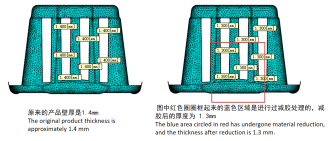
As shown in the picture: The optimized cooling water channel and Copper Beryllium cooling structure can achieve uniform temperature in all areas of the core and cavity of the bucket mould, reduce plastic flow differences, fundamentally improve the problem of uneven bucket wall thickness caused by eccentricity, and at the same time improve the stability of high-speed injection moulding and the service life of the mould.
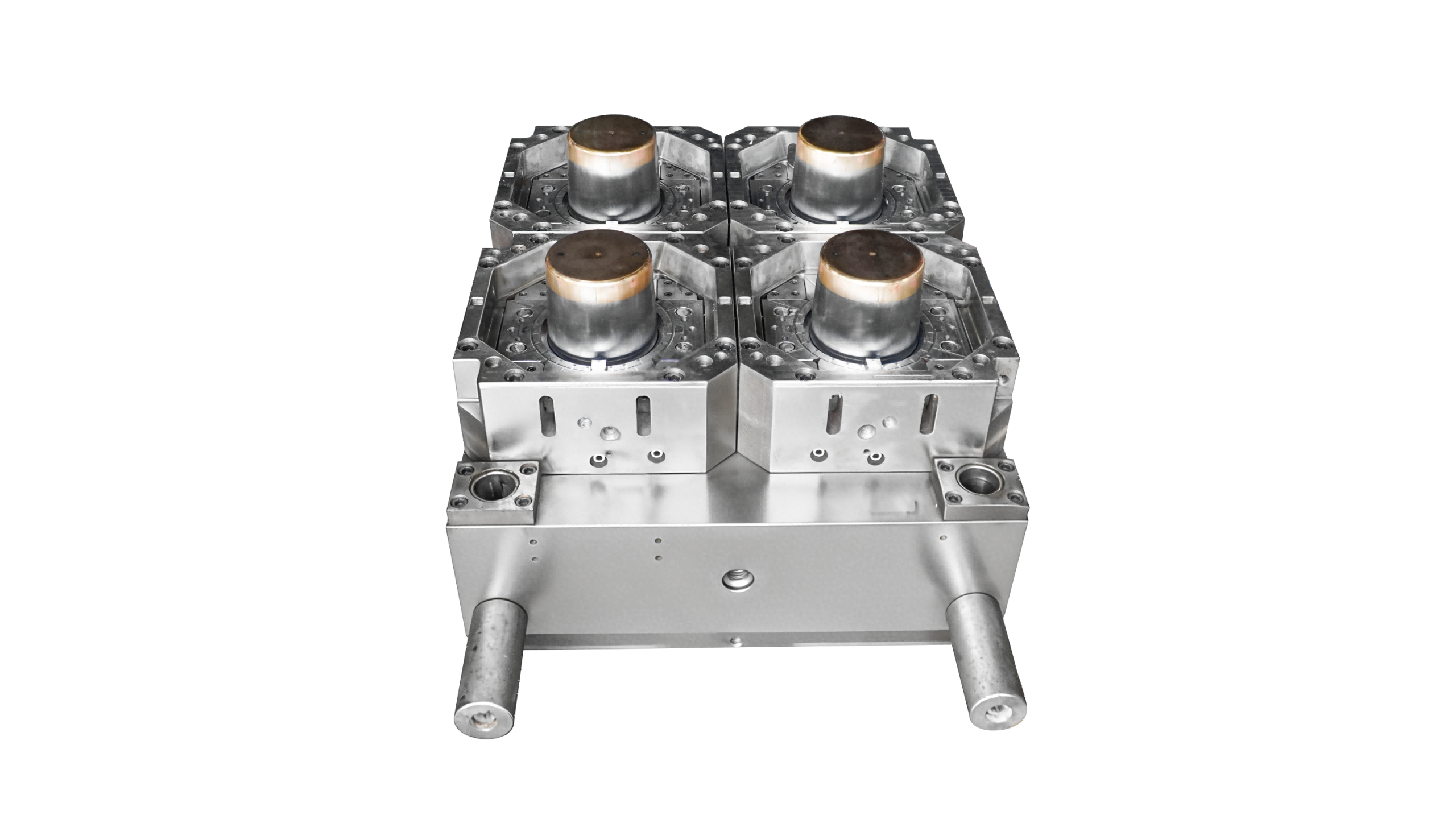
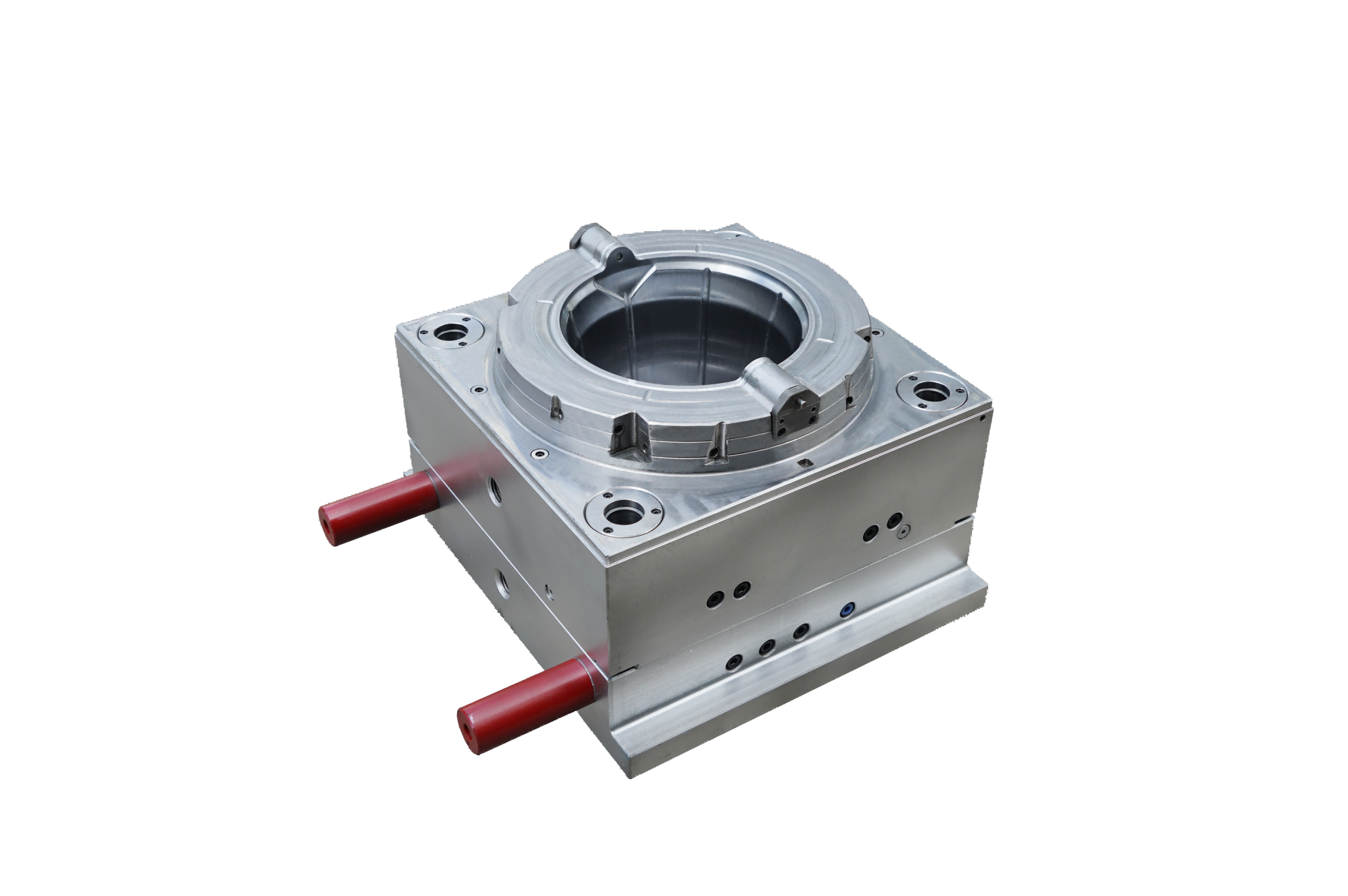
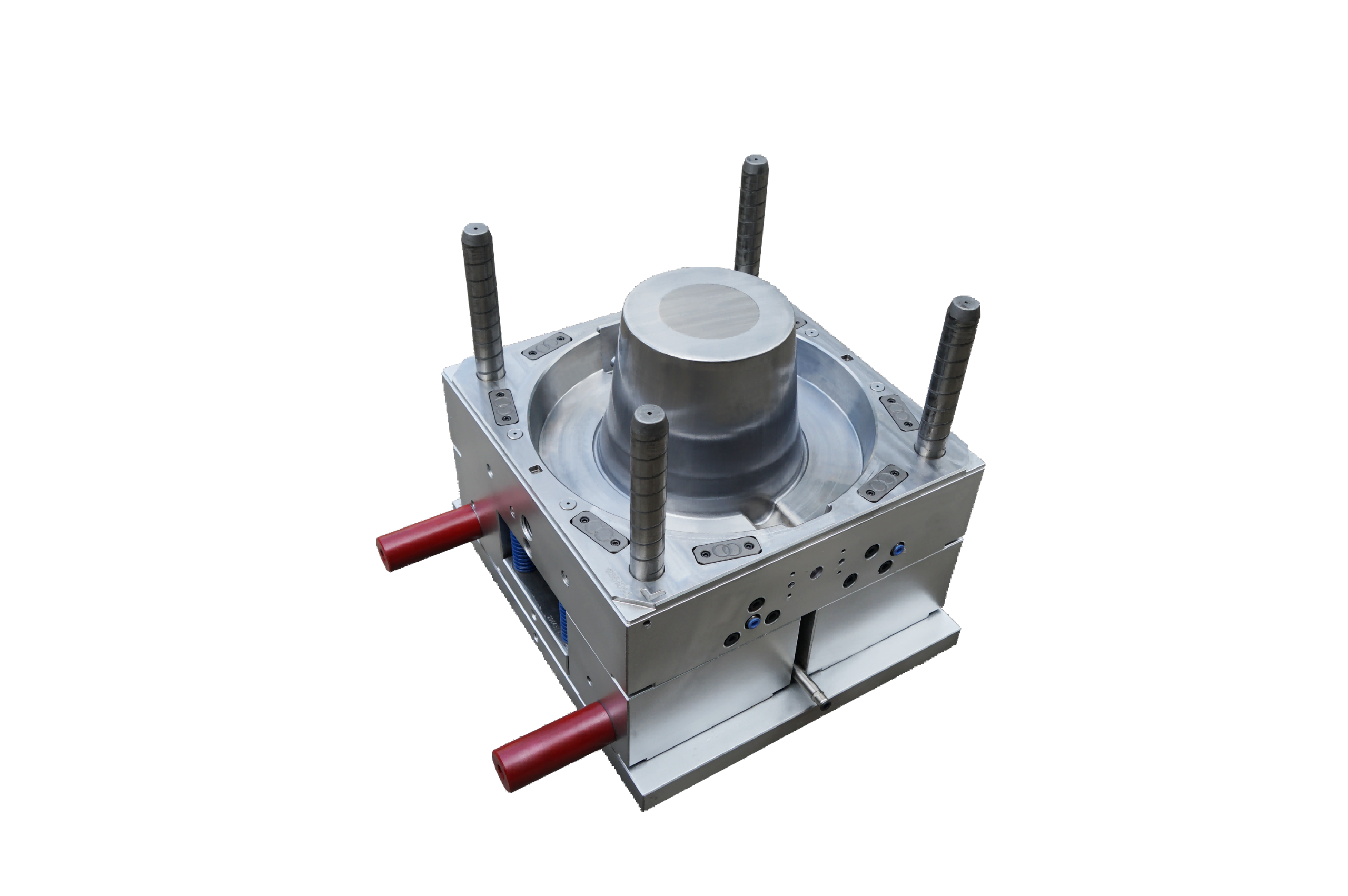
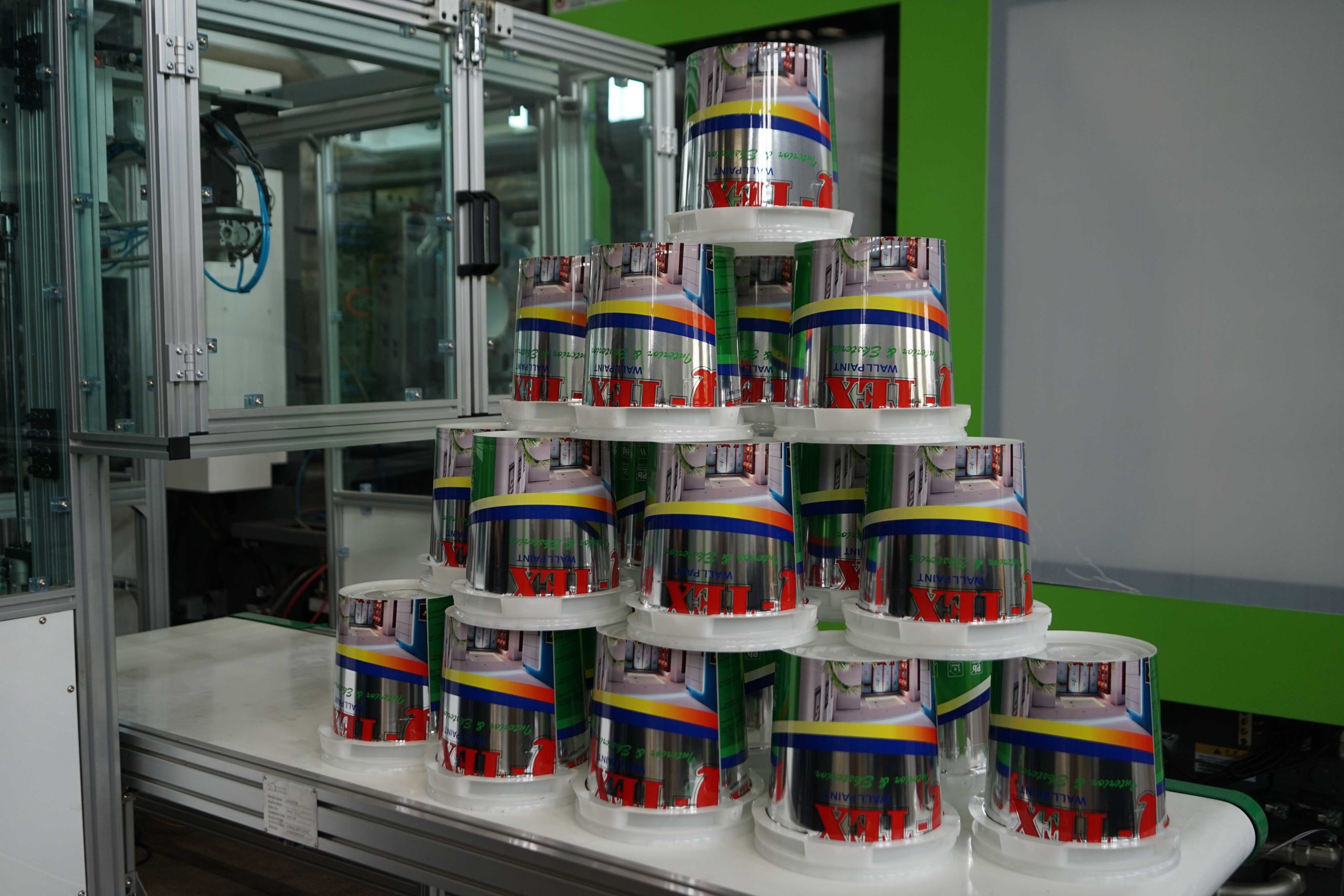
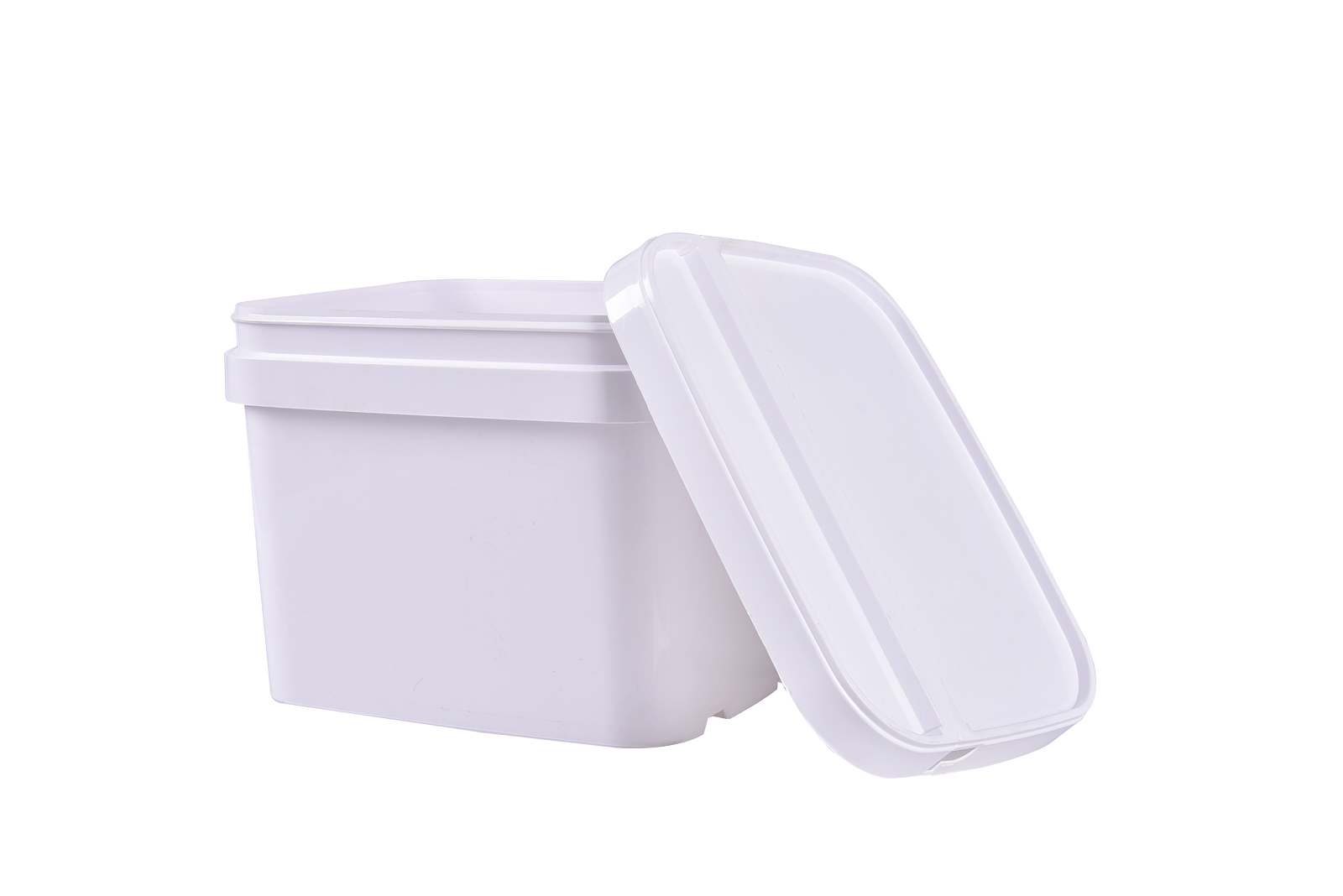
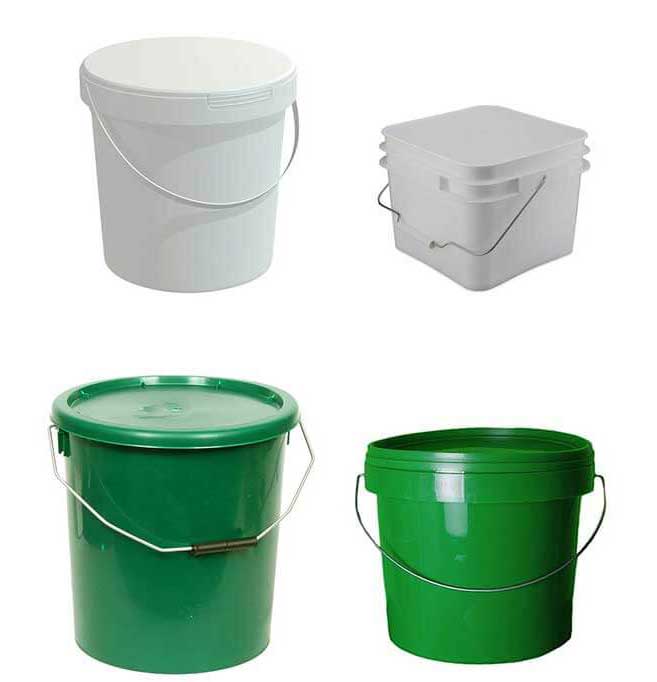
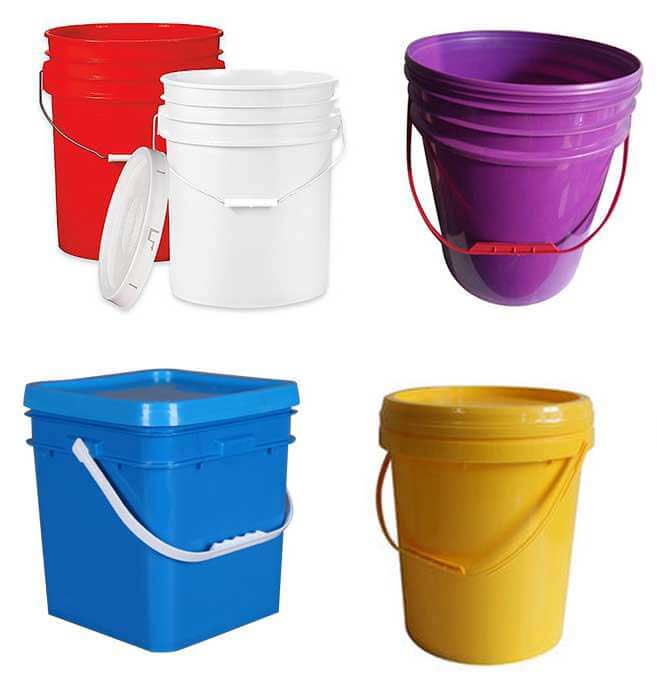
Bucket Mould Testing Video
Video demonstrating the operation, opening-closing, ejection and cooling stability of SINO bucket moulds and plastic bucket moulds under high-speed injection conditions, verifying the actual effect of the moulds in avoiding eccentricity and ensuring uniform wall thickness.