
Crate Mould
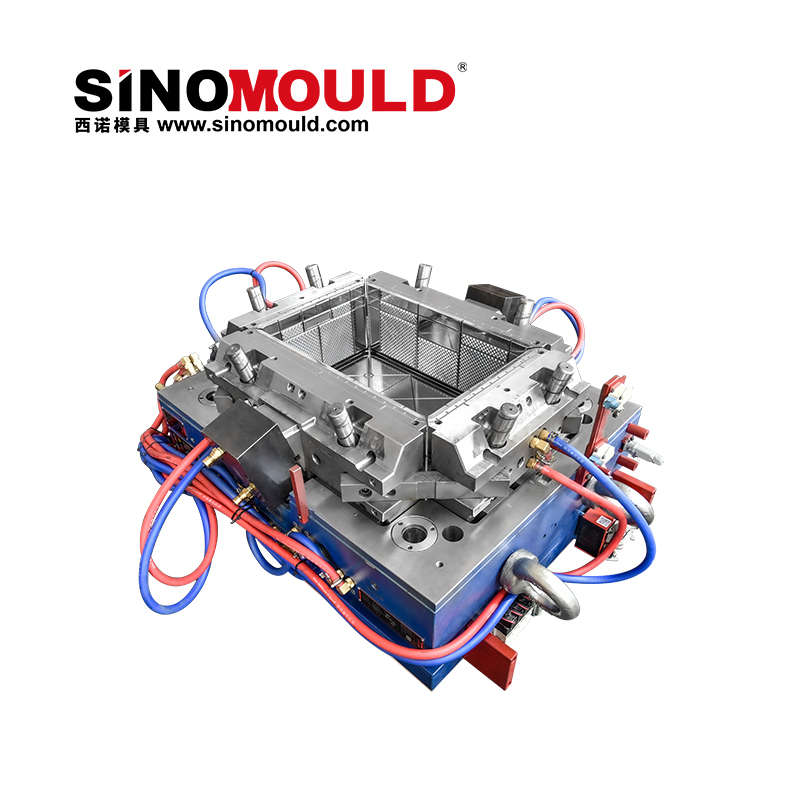
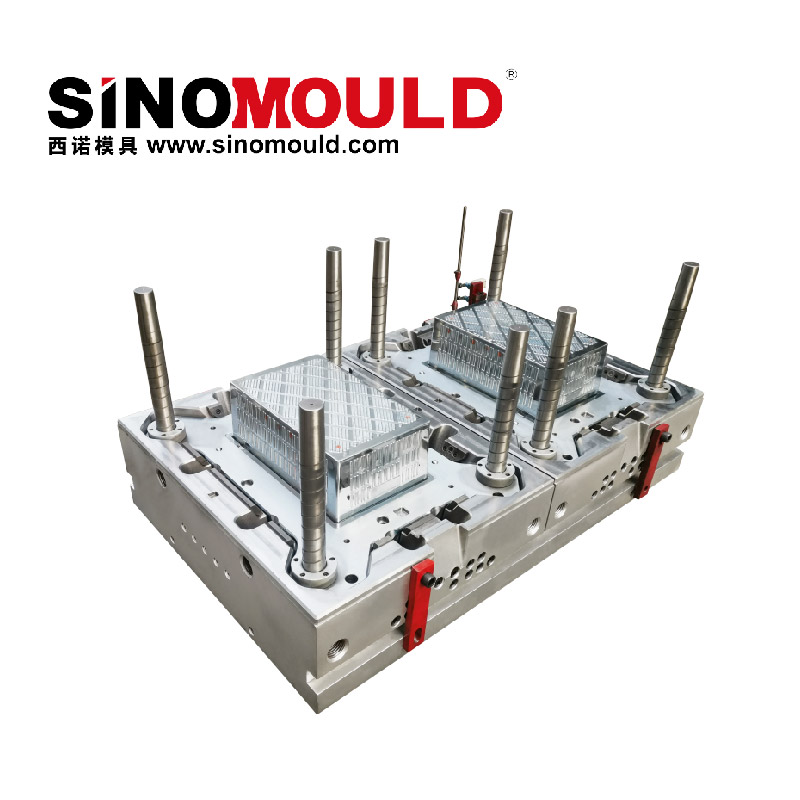
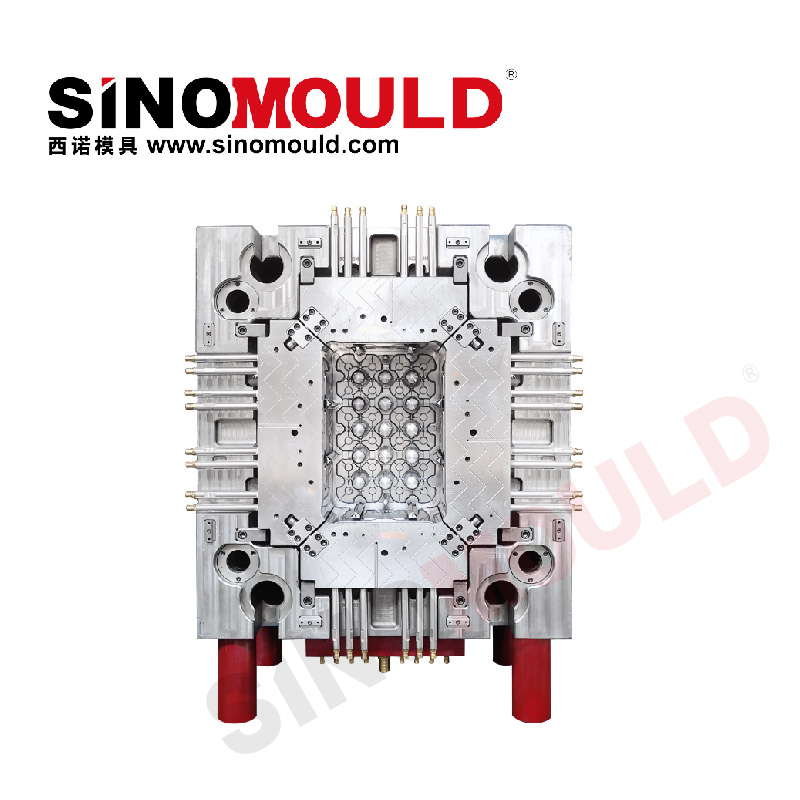
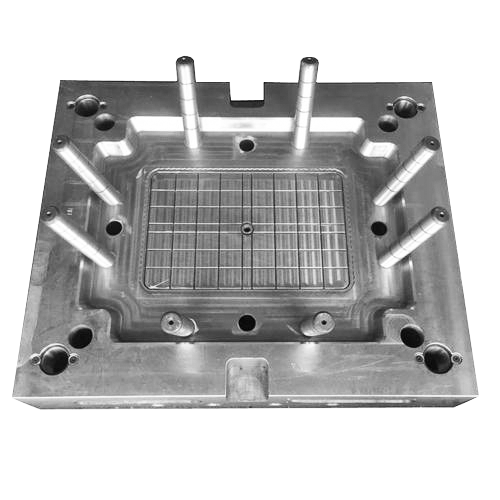
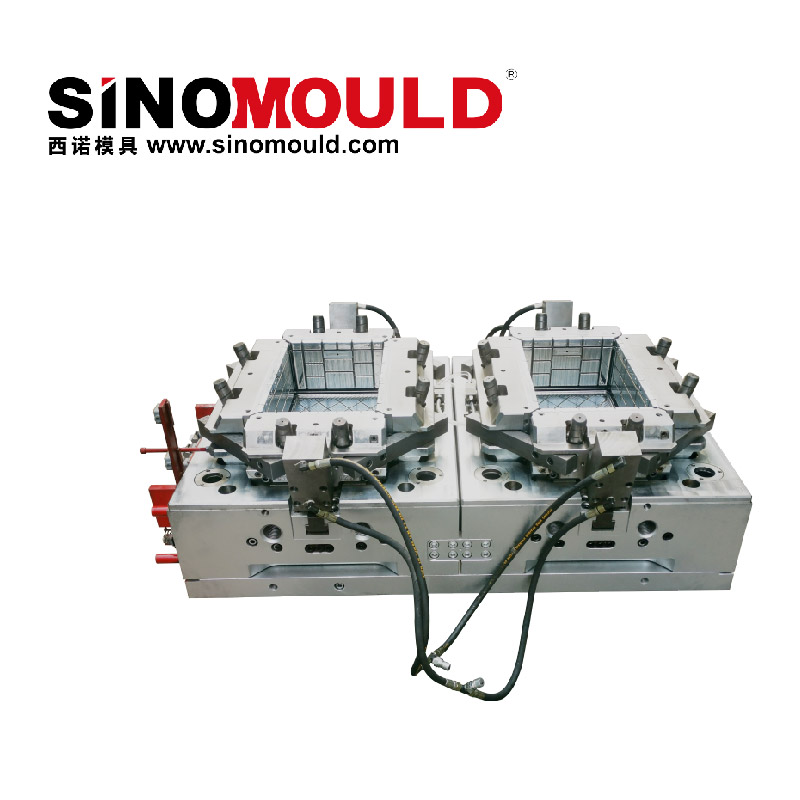
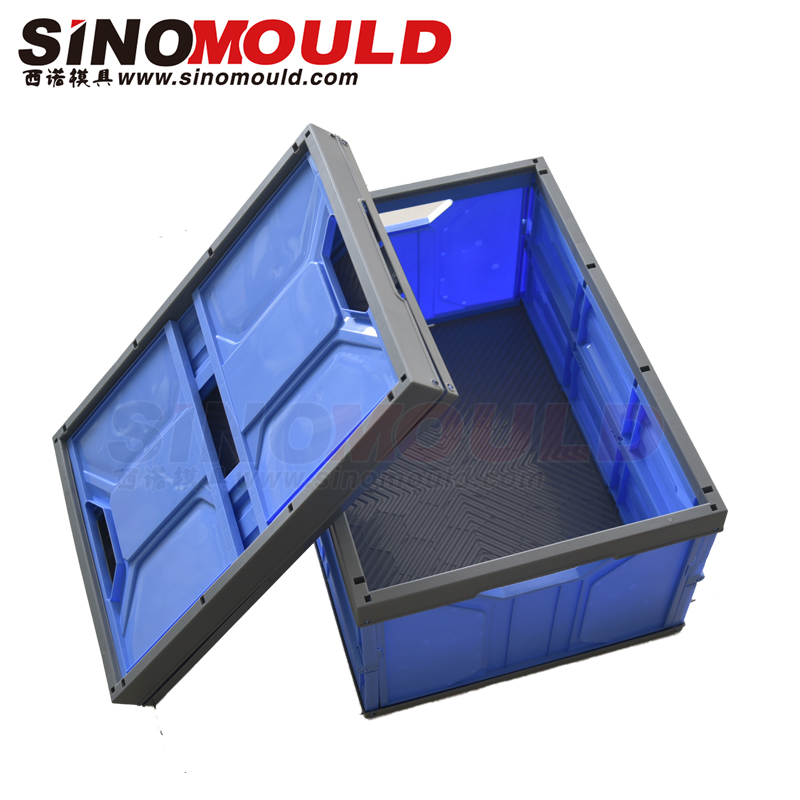
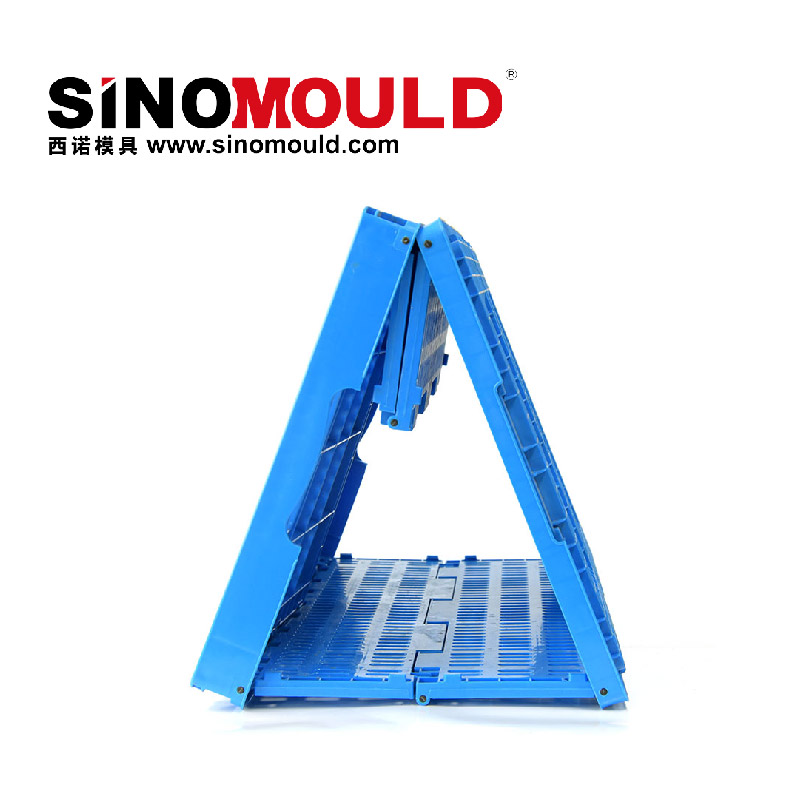
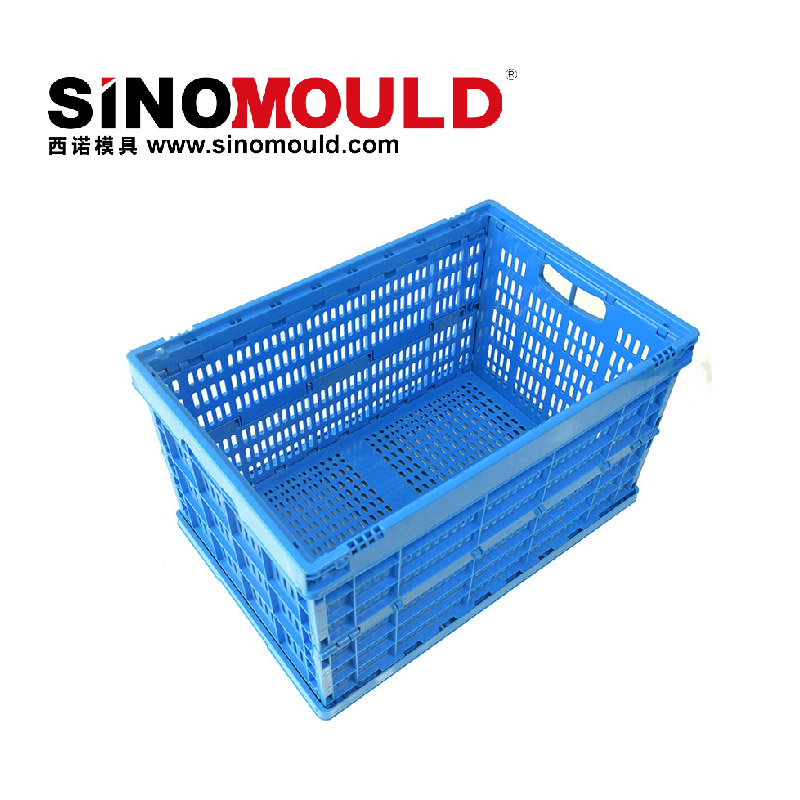
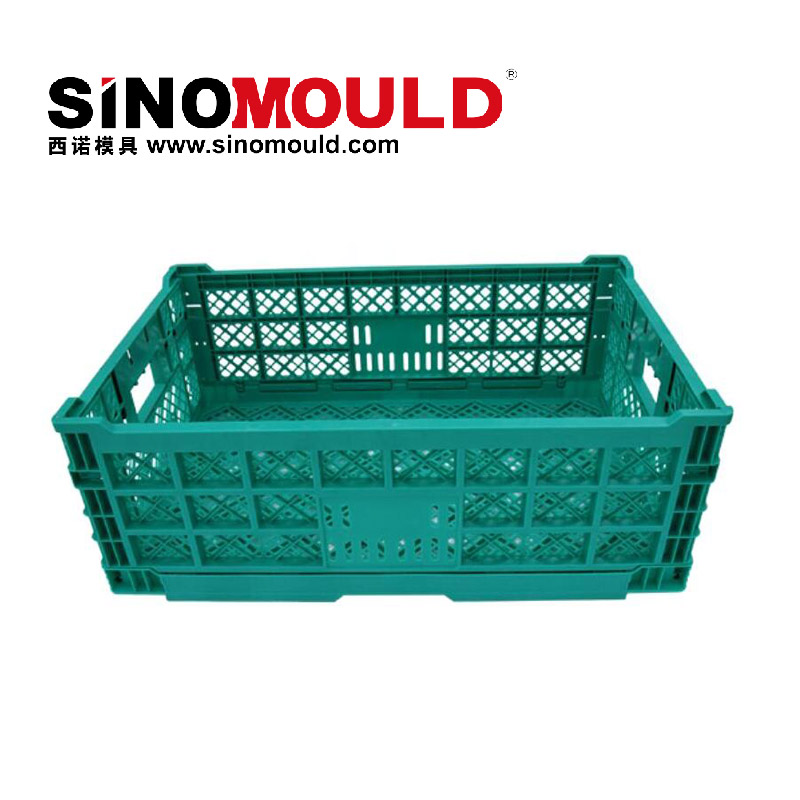
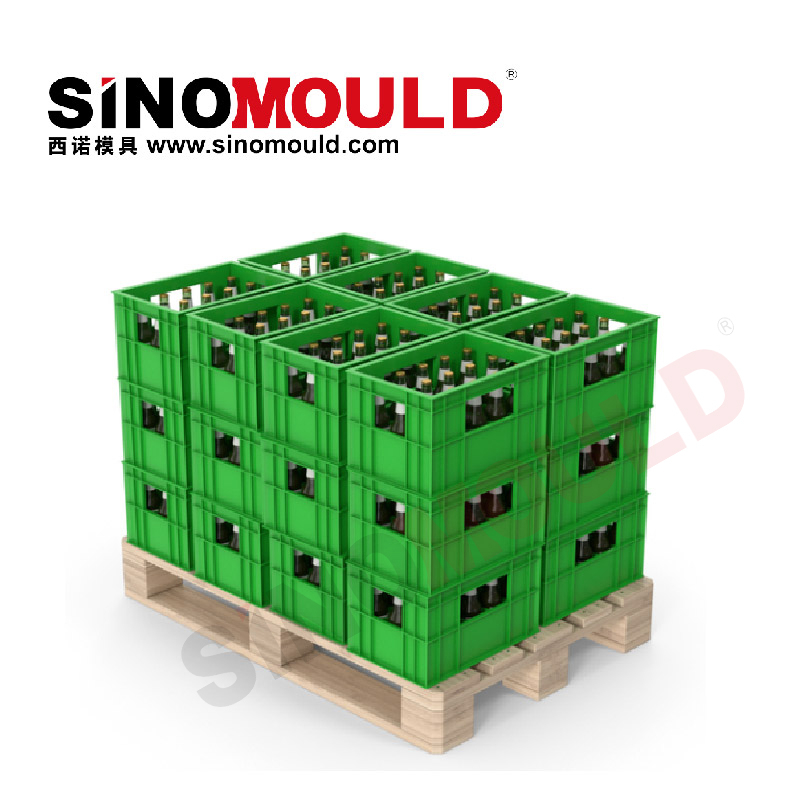
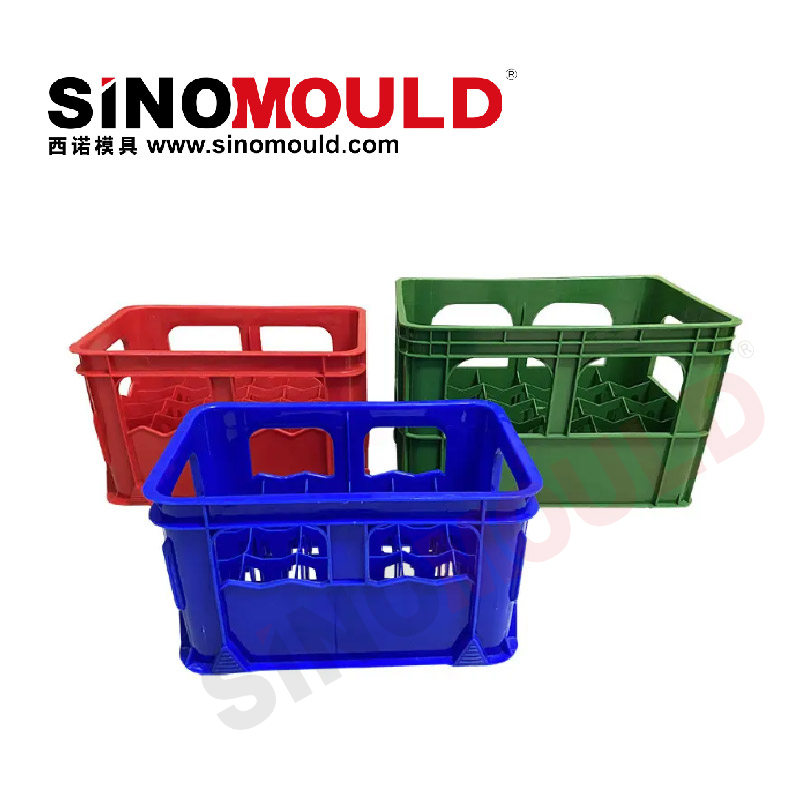
Crate mould is widely used in logistics, warehouse circulation, agricultural packaging, and industrial storage systems. A well-designed plastic crate mould ensures high production efficiency, stable stacking performance, and long mold service life in mass production.
SINOMOULD provides high-performance crate mould solutions for plastic turnover boxes with optimized cooling systems, durable steel selection, and high-speed injection molding compatibility.
Standard Crate Mould Details
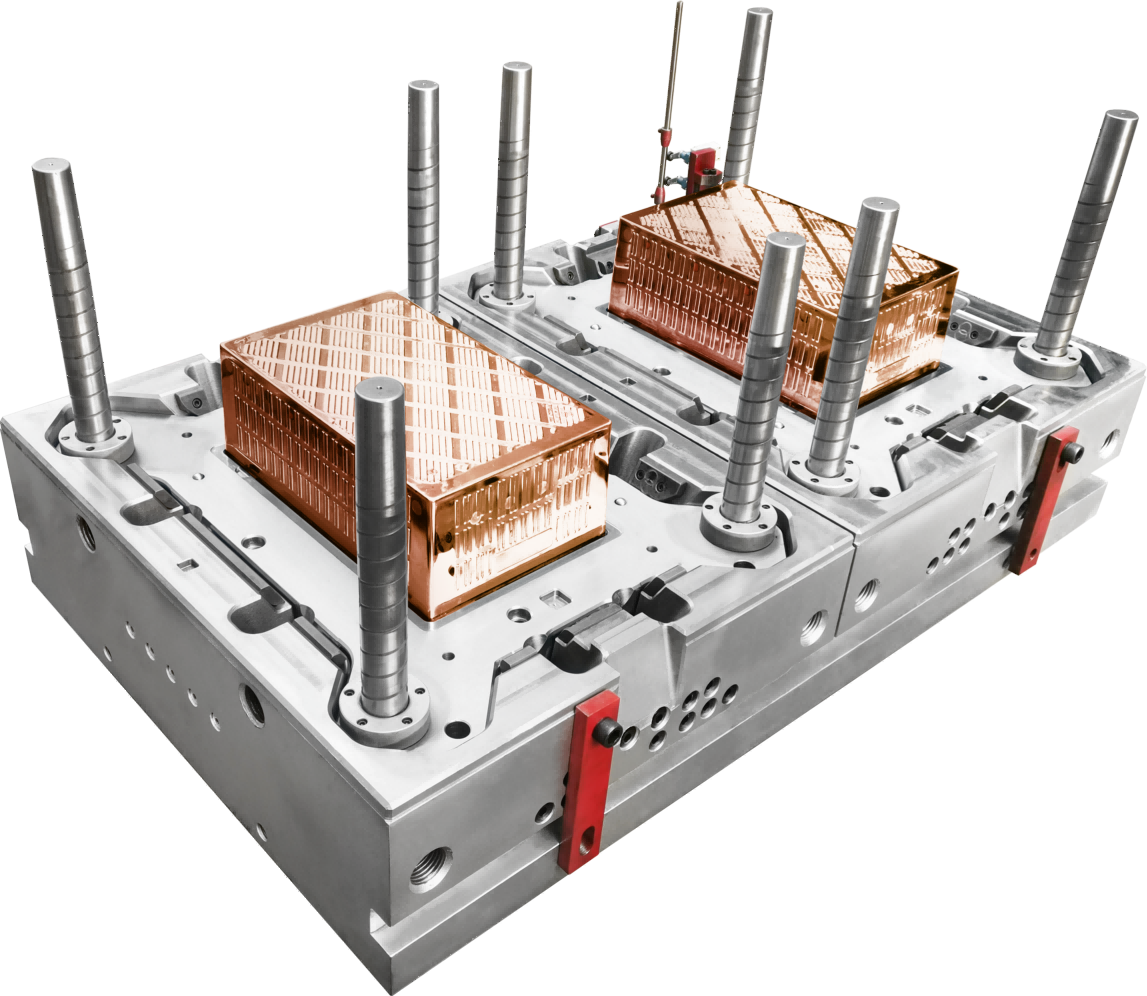
A standard crate mould (plastic turnover box mould) is designed for high-volume industrial production with stable structure and efficient cycle time.
| Bottle Crate Mould Cavity Steel | DIN 1.2344 | Recommended Injection Machine | DKM VICTOR Series Fast Speed Injection Moulding Machine |
|---|---|---|---|
| Bottle Crate Mould Core Steel | DIN 1.2344 | Plastic Material | PP or HDPE |
| Mould Base Standard / Steel | S50C/P20 | Ejection System | Stripper |
| Sliders, Inserts, Lifters Steel | High-strength tool steel with surface hardening treatment | Injection Process | Key settings ensure smooth filling, packing & cooling. |
| Number of Cavities | 1 cavity | Injection Cycle Time | 40 seconds |
| Hot Runner System | Fully hot runner system | Mould Manufacturing Lead Time | 75 days |
Key Quality Points of Crate Moulds
The performance and lifespan of a crate mould for plastic turnover box production depend on several key engineering factors.
1) High Mold Durability
- Selection of high-quality tool steel such as 718H or H13
- Proper heat treatment to achieve balanced hardness (HRC 30–52)
- Wear-resistant inserts for high-stress areas such as handles and corners
2) Precise Flow Balance Design
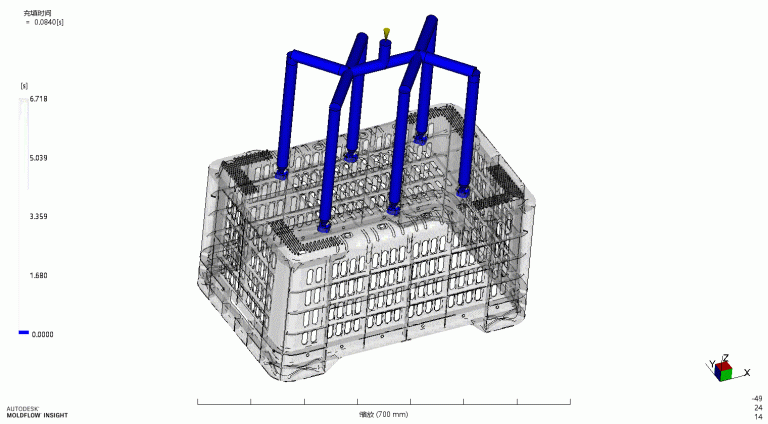
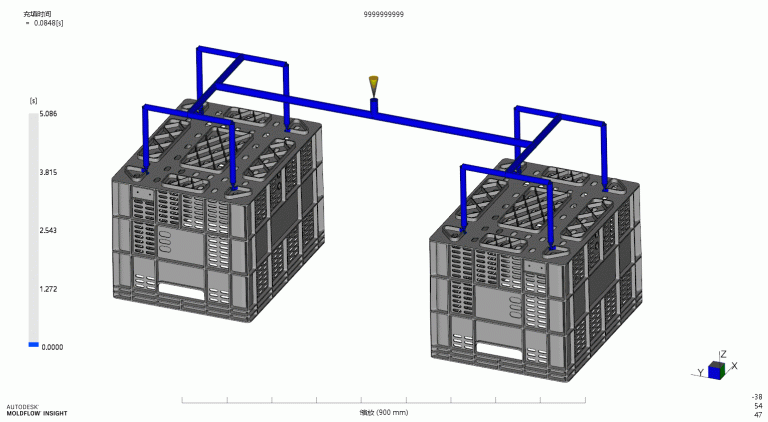
- Multi-point hot runner system ensures even material filling
- Balanced runner design reduces warpage and shrinkage
Optimized gate location prevents weld lines and flow marks
3) Excellent Venting System
- Proper vent grooves in handle and rib areas
- Prevents air trapping and burning defects
- Improves surface finish quality of crate moulded parts
4) Long-Term Structural Stability
- Reinforced mold frame design for heavy-duty production
- Anti-deformation structure under high clamping force
- Stable alignment system for long-term precision
5) Stackability & Functional Design
- Accurate stacking rib design
- Uniform wall thickness control (typically 2–4 mm)
Ensures crates can be stacked without deformation
Precision Machining Highlights for Crate Mould
High-quality plastic crate mould manufacturing depends heavily on precision machining technology and production control.
1) High Precision CNC Machining
- CNC rough machining and fine finishing ensure tight tolerance control
- Key dimensions controlled within ±0.02–0.05 mm
- High-speed milling improves surface consistency and accuracy
2) EDM & Deep Hole Drilling Technology
- EDM used for complex rib and corner structures
- Deep hole drilling ensures efficient cooling channel layout
- Improves thermal balance and reduces cycle time
3) Optimized Cooling System Design
- Conformal cooling layout near thick-wall regions
- Uniform temperature distribution across cavity surface
- Reduces cycle time by 15%–25% in mass production
4) Advanced Surface Treatment
- High polishing (SPI-A2 / A1 level optional)
- Texture treatment for anti-slip crate surface
- Anti-corrosion coating for long mold life
5) Strict Mold Assembly & Testing
- Full mold trial before delivery
- Flow balance testing and cycle time optimization
- Sample verification for stacking and load performance
Mould Flow Analysis for Centrifuge Tube Moulds
Centrifuge Tube Mould Testing Video
Demonstrating the performance of the centrifuge tube mould under high-speed injection moulding conditions, verifying its stability and efficiency in production.