Stack Mould
SINOMOULD is a leader in high‑precision, high‑speed injection moulding technology, with extensive industrial application experience in stack moulds (tandem moulds).
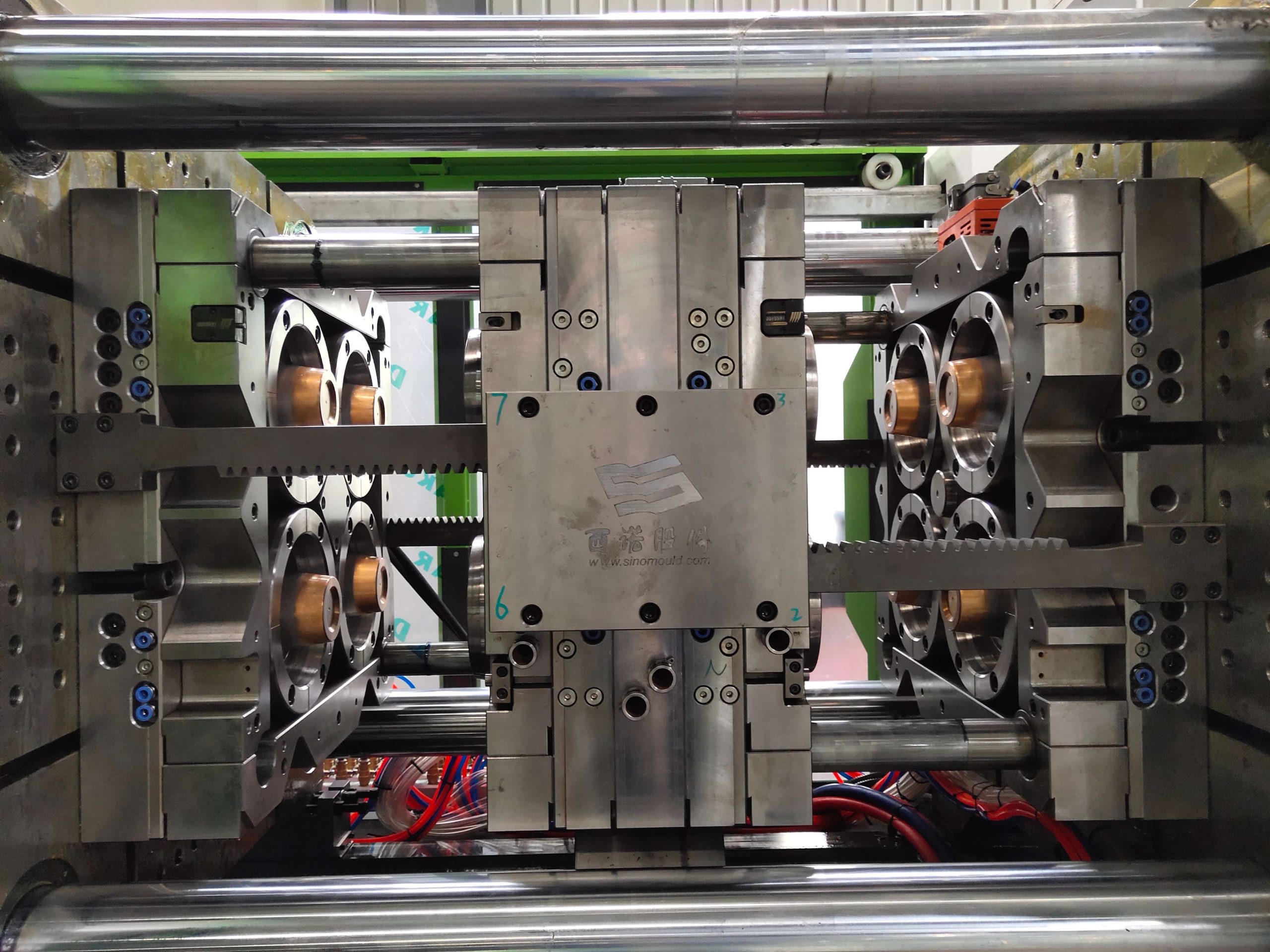
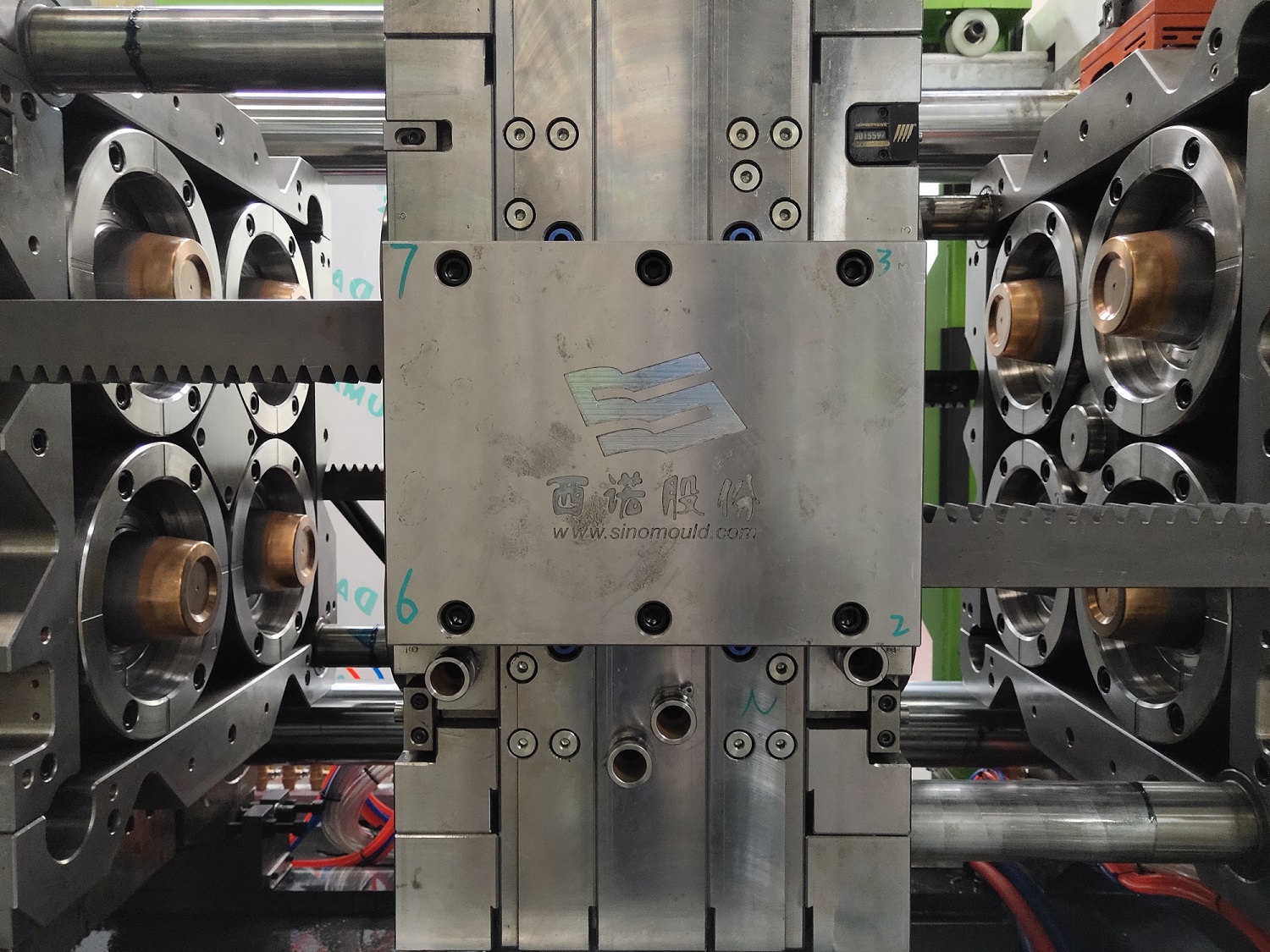
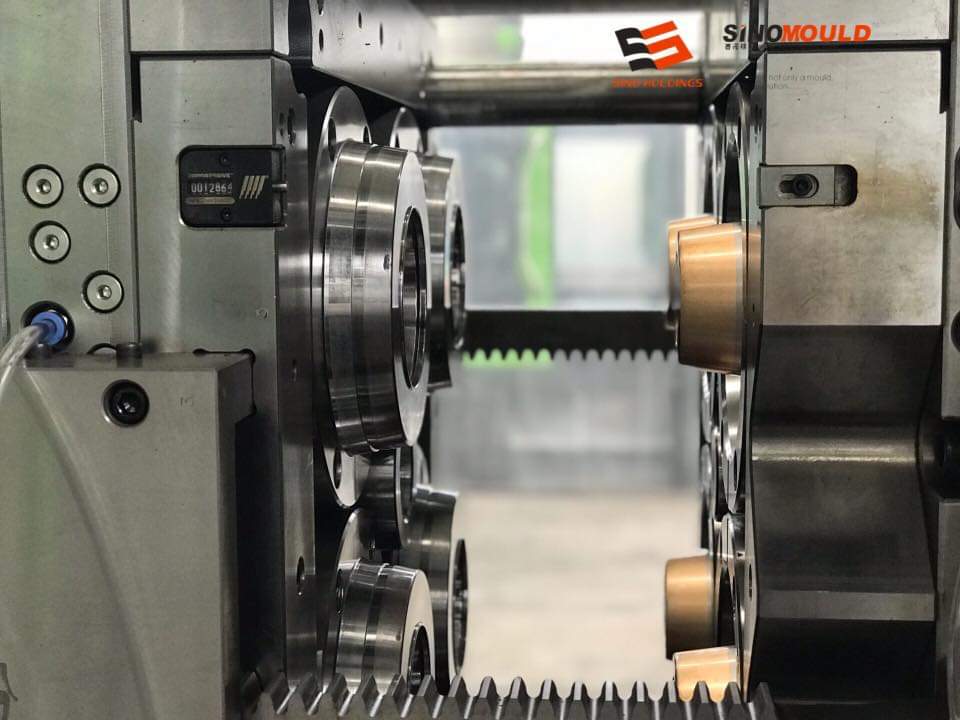
By arranging two or more parting lines along the mould opening direction of the injection moulding machine, stack mould technology doubles (or more) the number of cavities under the same clamping force and footprint. It is the ultimate tool for cost reduction and efficiency improvement in high‑volume industries such as fast‑moving consumer goods, medical consumables, and packaging containers. SINOMOULD’s stack moulds employ high‑rigidity multi‑layer mould bases, synchronized linked opening/closing mechanisms, and precision hot runner distribution systems. They can achieve a 24+24 cavity shot in an ultra‑short cycle of 5 seconds on a 200HH high‑speed injection moulding machine. With engineering delivery standards that double output, reduce energy consumption per part by 40%, and achieve near‑perfect cavity‑to‑cavity consistency, SINOMOULD reshapes cost competitiveness for customers worldwide who pursue maximum production efficiency.
Stack Mould Specifications
The following customized, high‑precision, high‑speed stack mould example illustrates its core engineering parameters:
| Representative Product | 16 cm disposable tableware, bottle caps, or other flat, high‑volume parts | Number of Cavities | 24 + 24 cavities (double‑layer stack structure, total 48 cavities) |
|---|---|---|---|
| Mould Overall Dimensions | 550mm × 550mm × 700mm | Compatible Injection Machine Tonnage | DKM 200HH (200‑ton high‑speed toggle machine, ideal for stack moulds) |
| Main Mould Steel | S136 ESR mirror stainless steel (HRC 50‑54, excellent corrosion and wear resistance) | Injection System | Double‑layer bridge‑type valve‑gated hot runner (precise melt delivery across parting lines) |
| Ejection System | Dual‑plane linked precision ejector pin system | Cycle Time | 5 seconds (including synchronous opening/closing and ejection on both layers) |
| Mould Design Life | Over 3 million cycles | Standard Delivery Time | 60 working days |
| Core Process Features | High‑speed stack moulding, flash‑free precision opening/closing, double‑layer full hot runner linkage |
Stack Mould Quality Essentials
A stack mould resolves the core contradiction between high efficiency and extreme consistency. SINOMOULD has established a high‑reliability quality management system dedicated to multi‑layer mould systems:
- Ultra‑stable design of double‑layer geometric accuracy and mould base rigidity
Under the impact of up to 12 mould openings/closings per minute, absolute centering of the double‑layer cavities must be maintained. SINOMOULD uses an ultra‑rigid box‑type mould base with extended ball guide pins and precision square guides. After centering, laser interferometer calibration ensures that the parallelism error of the two parting lines is locked within the tolerance band throughout movement, eliminating misalignment and flash caused by toggle wear.
- Precise melt distribution across parting lines and temperature field balance
The melt is delivered to the second‑layer cavities through a bridge‑type manifold that crosses the first parting line. This path is long and subject to complex heat dissipation. SINOMOULD provides independent multi‑zone PID temperature control on each runner layer, and uses thermal insulation pads and air gaps to reduce the melt temperature difference between the first and second layers to ±1°C, ensuring that the gate pressure and temperature at each of the 48 cavities are identical.
- Independent cooling circuits and shrinkage control per layer
Each cavity layer is equipped with its own frequency‑controlled chilled water + high‑pressure turbulent baffe‑type water wells, allowing each part to be fully cooled and set in just 5 seconds. With a stepped temperature control design, SINOMOULD makes the shrinkage characteristics of the parts from both layers completely synchronous, ensuring seamless dimensional fit when 24+24 parts are stacked across layers.
- Balanced synchronous ejection and zero‑jamming monitoring
The two ejector plates use a synchronized linkage (rocker arm) or rack‑and‑pinion mechanical synchronization mechanism to ensure absolute balance of demoulding force during double‑layer action. All ejection mechanisms are equipped with non‑contact proximity sensors. If any part fails to release, the system immediately signals the machine to stop, protecting the mould from accidental damage due to compression.
Stack Mould Machining Essentials
A stack mould that outruns time originates from the perfect combination of precision machining and assembly‑line fitting. SINOMOULD’s core machining processes include:
- Large precision gantry milling and wire EDM
All plates of the stack mould are rough‑ and finish‑machined in a single setup on large, high‑rigidity CNC machines to ensure hole location accuracy across multiple layers. Insert mounting holes are machined with multiple‑pass trimming on wire EDM to guarantee highly consistent fit clearance for all 48 inserts.
- Precision grinding and direct assembly of multi‑layer plates
The two intermediate moving plates are ground and honed to micron‑level flatness and parallelism. All sealing surfaces are compensated for thermal expansion and finish‑machined under different temperatures, providing a low‑friction, high‑seal mating interface during high‑speed opening and closing.