Rattan Chair Moulds
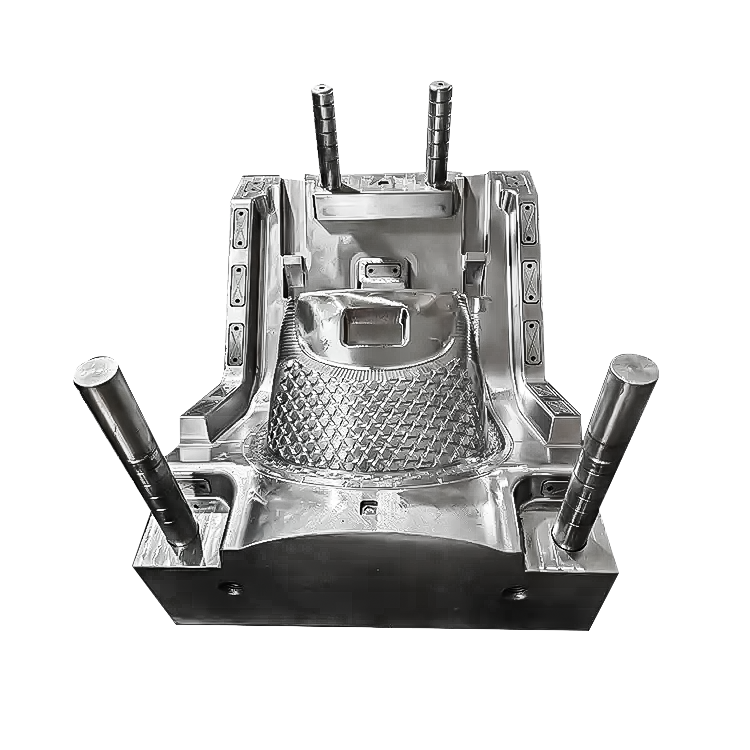
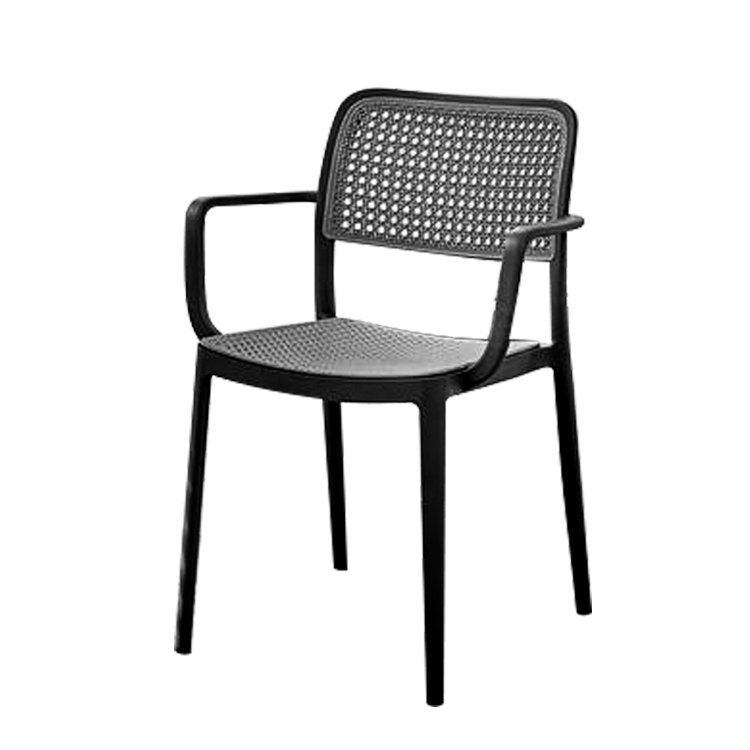
With over 20 years of experience in rattan chair mould development, SINO MOULD specializes in manufacturing moulds for all critical rattan chair components, including plastic parts such as simulated rattan seat, chair legs, simulated rattan weaving parts, armrests, connecting buckles, and non-slip foot pads. SINO MOULD is good at designing specialized mould solutions tailored to the distinct plastic material and performance requirements of each component, accurately restoring the texture and flexibility of natural rattan. We invented a 4-cavity fully hot runner system for rattan chair moulds, solving the industry pain points of difficult simulated rattan moulding, low texture restoration, and easy scratches during demoulding, and becoming the preferred choice for global high-end rattan chair mould manufacturers. Combined with our parent company DKM’s all-electric injection moulding machines dedicated to outdoor and household use, we provide turnkey integrated rattan chair production line solutions, enabling efficient manufacturing from moulds to complete production lines.
Standard Rattan Chair Mould Details
Below are examples of the most common parameters for rattan chair moulds.
| Rattan Chair Mould Cavity Steel | P20, 718H, 2344 | Recommended Injection Machine | DKM Servo Series Injection Moulding Machine |
|---|---|---|---|
| Rattan Chair Mould Core Steel | P20, 718H, 2344 | Plastic Material & MFI | PE rattan material, PVC rattan material, typical MFI 6–20 g/10 min |
| Mould Base Standard / Steel | 4Cr13 Pre-hardened Stainless Steel | Ejection System | Stripper Plate Ejection, Flexible Ejection (for simulated rattan parts only) |
| Sliders, Inserts, Lifters Steel | High-strength tool steel, treated with nitriding or surface hardening, with an anti‑scratch coating applied to the rattan‑simulation moulding area. This ensures smooth slider movement, wear resistance, aging resistance, and prevents scratching of the imitation rattan texture. | Injection Process | High-speed injection, short cycle time, precise temperature control, independent temperature control for each cavity, enhanced moulding control of rattan-like materials, accurately restoring natural rattan texture and ensuring qualified flexibility |
| Number of Cavities | 2-6 cavities, determined by customer production capacity, maximum 10 cavities | Injection Cycle Time | 30–45 seconds |
| Hot Runner System | Full hot runner, point gate to submarine gate (optional), special runner design for simulated rattan parts | Mould Manufacturing Lead Time | 55–85 days |
Key Quality Points of Rattan Chair Moulds
SINOMOULD implements rigorous quality management protocols for rattan chair moulds. From steel selection to trial mould validation, every step ensures high precision, stability, and extended mould lifespan, adapting to outdoor environments with high temperature, high humidity, and ultraviolet radiation as well as indoor daily use environments, ensuring that the simulated rattan products have clear texture, flexibility and durability, waterproof and mildew-proof, restoring the texture and practicality of natural rattan chairs.
Standardized Design
- Based on the structural characteristics of the rattan chair components (simulated rattan seat, chair legs, simulated rattan weaving parts, armrests), the mould structure and runner layout are optimized to accurately replicate the texture and curvature of natural rattan. Anti-scratch design is adopted for the simulated rattan weaving parts to avoid texture damage during demoulding, while taking into account ergonomics to improve seat comfort. Utilizes mould flow analysis software to simulate injection processes, ensuring balanced multi-cavity injection and uniform plastic distribution, and improving product flexibility and structural stability.
- Patented full hot runner design enhances temperature uniformity, reducing the risk of deformation and air holes of simulated rattan parts, adapting to the moulding needs of PE/PVC rattan-like materials, ensuring that the product surface has clear texture, no defects, and the flexibility is highly consistent with natural rattan.
Steel Material Selection
- Core/Cavity: DIN 1.2316 or S136—highly corrosion-resistant and wear-resistant steel. High-precision polishing accurately replicates natural rattan texture, ensuring the surface of the simulated rattan chair is delicate, while improving the corrosion resistance of the mould to meet the needs of outdoor and indoor multi-scene use.
- Mould Base: 4Cr13 rust-resistant mould base steel offers good strength and toughness, corrosion resistance, aging resistance, long service life, low maintenance costs, and is suitable for the complex structural needs of rattan chair moulds to support the precise moulding of simulated rattan parts.
- Hot Runner Components: Constructed from corrosion-resistant, high-temperature-resistant, and aging-resistant materials to ensure long-term reliable hot runner operation, adapt to the special moulding requirements of rattan-like materials, and ensure texture restoration and product consistency.
Machining Precision Control
- CNC precision machining with critical dimensional tolerances controlled within ±0.01 mm, especially for the matching parts such as simulated rattan texture and connecting buckles, the dimensional accuracy is strictly controlled to ensure clear and coherent texture, smooth assembly of components, and restore the weaving texture of natural rattan chairs.
- Multi-stage inspection: Parallelism, perpendicularity, hole positioning, and cavity dimensions verified through multiple inspection procedures, focusing on detecting the precision of simulated rattan texture and component fitting accuracy to avoid blurred product texture and loose assembly due to dimensional deviations.
- Critical areas undergo precise texture replication and polishing to ensure the formed surface of the rattan chair has clear texture and delicate hand feel, free of scratches and sink marks, which not only restores the texture of natural rattan but also has the advantages of plastic products such as waterproof, mothproof and easy to clean.
Assembly and Mould Trial
- Precision assembly of critical components like slides, inserts, and angle lifters, especially the mould components of the simulated rattan weaving parts, which are assembled with precise positioning to ensure smooth closure, scratch-free demoulding, and complete and undamaged simulated rattan texture.
- During trial moulding, scientifically optimized injection moulding processes are applied to accurately identify even minor issues—such as warpage, sink marks, voids, blurred texture, or dimensional deviations—and make timely, precise adjustments, ensuring stable dimensions, consistent appearance, qualified flexibility, and assembly performance.
Validation and Continuous Optimization
To guarantee high reliability post-delivery, we conduct extended stability testing before shipment—typically no less than 8 hours—simulating the actual production rhythm and high-intensity operations of outdoor and indoor products, and adding texture consistency testing and flexibility testing to ensure long-term stable operation of the mould and that the product is suitable for multi-scene use needs. This process validates not only dimensional accuracy and injection consistency but also assesses the overall stability of the mould’s hot runner system, cooling system, and mechanical actions.
Mould Flow Analysis for SINO Rattan Chair Moulds
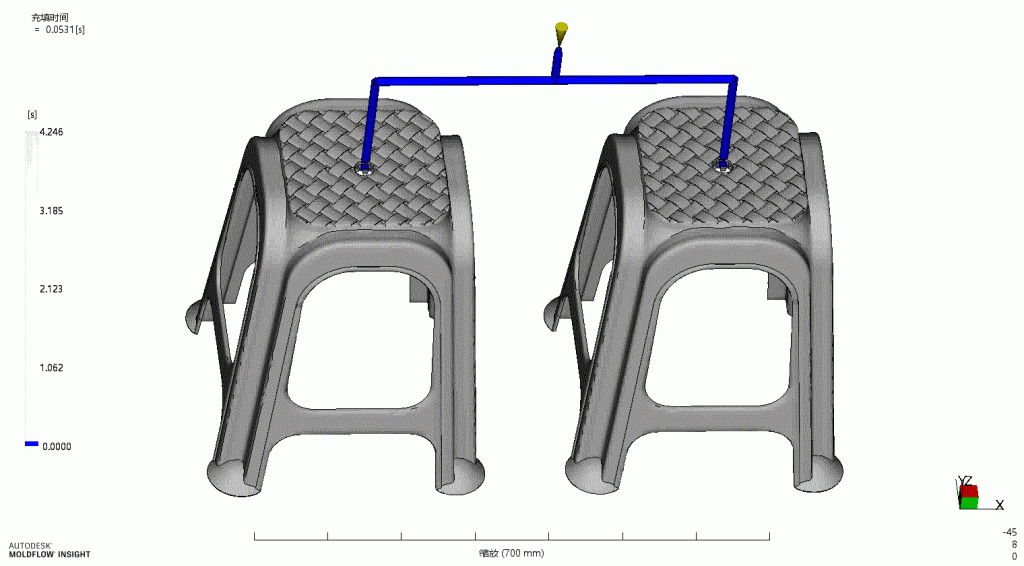
Using Mouldflow analysis software, the injection process is simulated to optimize cavity structure, runner layout, and temperature control. Aiming at the moulding characteristics of PE/PVC rattan-like materials, the plastic flow speed and temperature are precisely controlled to ensure balanced multi-cavity filling, uniform plastic distribution, and reduced risk of air traps or warpage for precision rattan chair moulds, while ensuring that the simulated rattan texture is clear and coherent and the flexibility meets the standard.
As it shows in the picture, the full hot runner allows independent temperature control for each cavity, keeping plastic flow and temperature consistent, adapting to the moulding needs of rattan-like materials, reducing deformation and air traps, accurately restoring natural rattan texture, and greatly improving injection stability and mould longevity, ensuring that the rattan chair products meet the standards of texture and durability.