
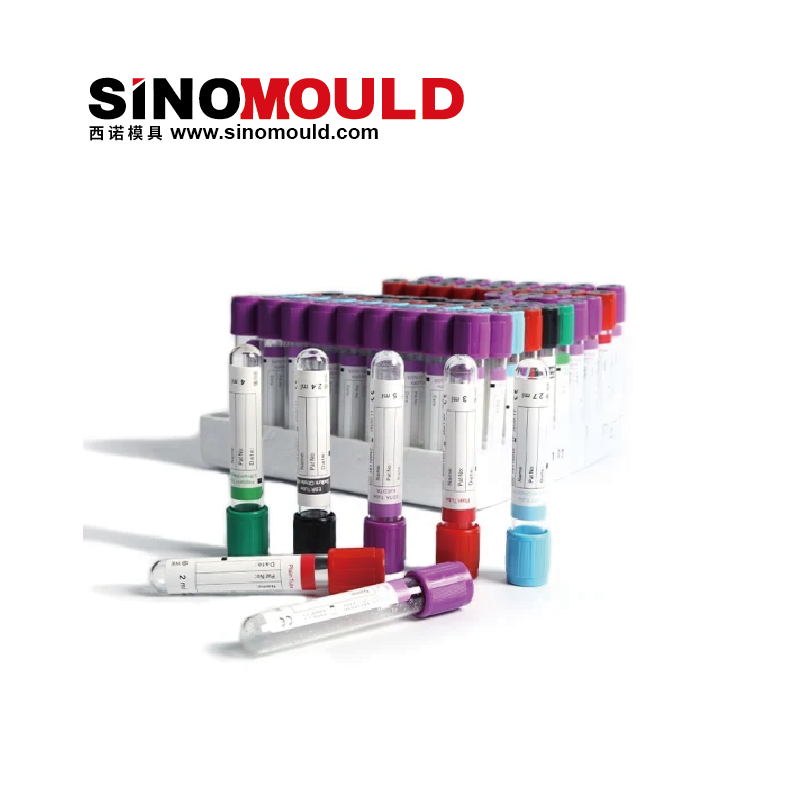
Blood Collection Tube Moulds
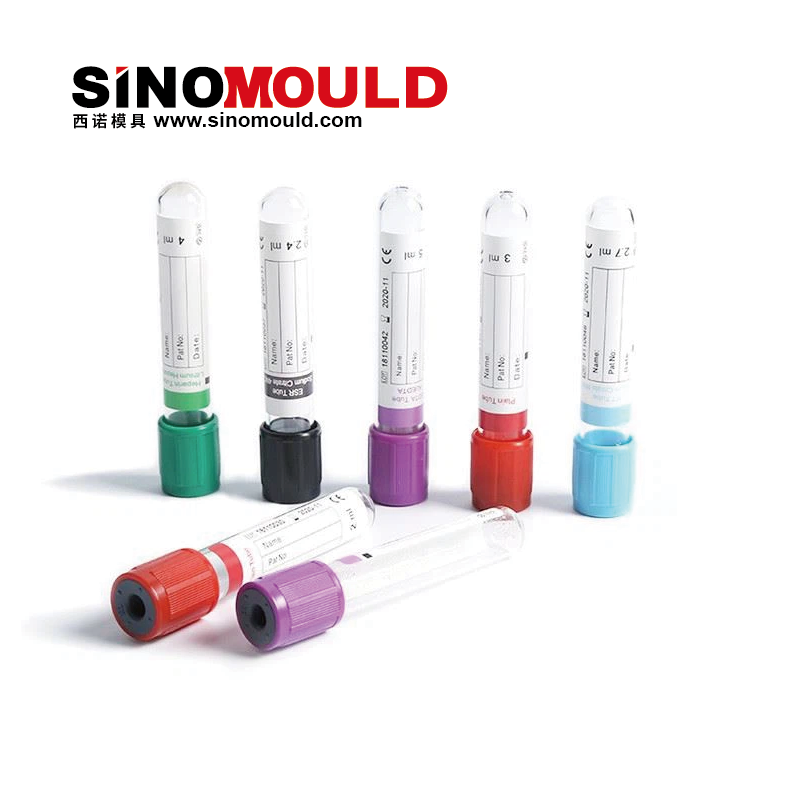
SINO MOULD has been deeply engaged in the medical consumables and IVD industry for over two decades, specializing in the R&D and manufacturing of blood collection tube moulds and standard test tube moulds. We address challenges such as vacuum retention, concentricity control, and consistency in multi-cavity moulding for our clients.
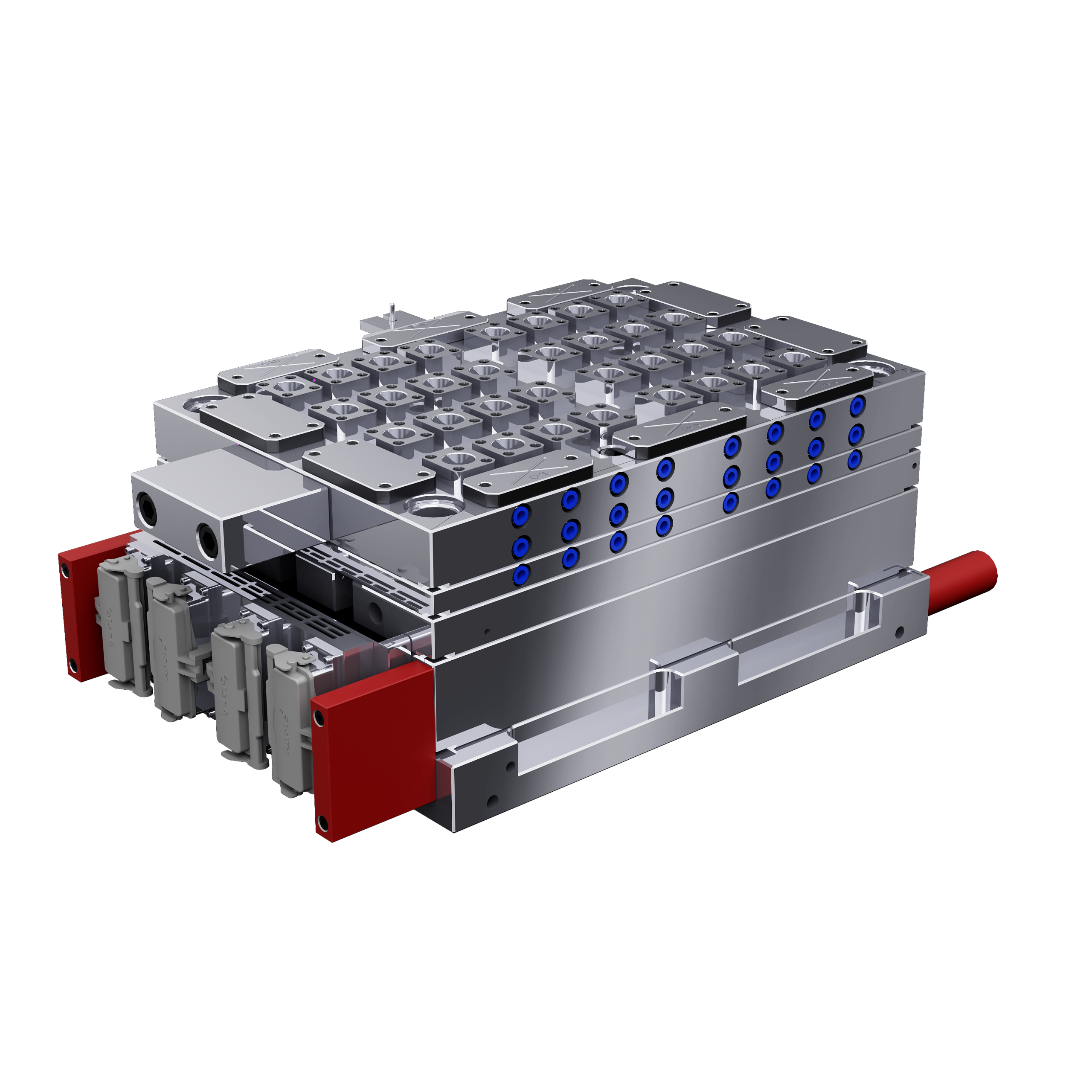
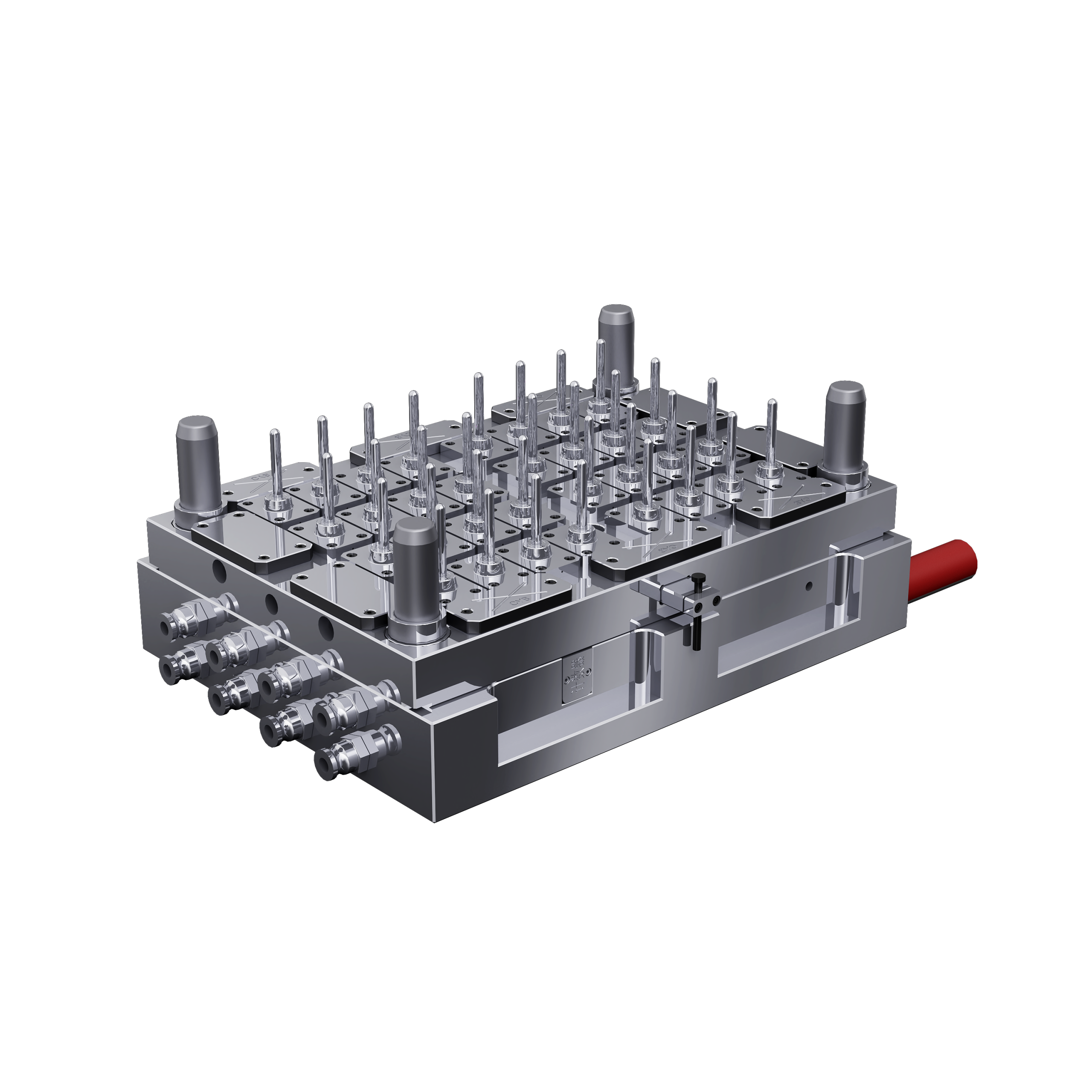
For blood collection tubes of varying specifications, SINO MOULD offers multi-cavity mould solutions ranging from 8 to 144 cavities. Through high-precision machining, optimized mould structure design, and stringent quality control, we ensure stable dimensions, reliable sealing, and consistent performance during continuous production. This meets the stringent safety and reliability standards demanded by medical and diagnostic applications.
Standard Blood Collection Tube Mould Details
Below are examples of the most common parameters for tube moulds.
Blood Collection Tube Mould Cavity Steel | S136 / DIN 1.2316 / M340 | Recommended Injection Machine | DKM FE Series All-Electric Injection Moulding Machine |
Blood Collection Tube Mould Core Steel | S136 / DIN 1.2316 / M340 | Plastic Material | PET/ PP (for non–vacuum tube) |
Mould Base Standard / Steel | 4Cr13 Pre-hardened Stainless Steel | Ejection System | Stripper |
Sliders, Inserts, Lifters Steel | High-strength tool steel with surface hardening treatment | Injection Process
| High-speed injection, short cycle time, precise temperature control |
Number of Cavities | Up to 144 cavities | Injection Cycle Time | 10–12 seconds |
Hot Runner System | Fully needle valve hot runner system | Mould Manufacturing Lead Time | 40–65 days |
Key Quality Points of Blood Collection Tube Moulds
Vacuum Sealing Stability Through high-precision core structure design and surface control of key sealing areas, the blood collection tubes are ensured to maintain a stable vacuum state during storage and use, meeting the requirements of clinical and testing applications.
High Concentricity & Uniform Wall Thickness Strict control of coaxiality and roundness guarantees consistent wall thickness, supporting accurate blood volume collection and automated equipment compatibility.
Inner Surface Smoothness Mirror polishing of core surfaces significantly reduces inner wall roughness, minimizing blood residue and contamination risks in IVD applications.
Multi-Cavity Consistency & Weight Stability Balanced runner design and precision machining ensure uniform dimensions, weight, and appearance across 32–128 cavities for stable mass production.
Machining Highlights for Blood Collection Tube Moulds
Blood collection tube moulds are typical deep-cavity, thin-walled precision moulds. Their machining quality directly determines the product’s transparency, sealing performance, and dimensional stability. During mould manufacturing, SINO MOULD‘s machining control focuses primarily on the following aspects:
Core Straightness and Concentricity Control, Blood collection tubes feature deep cavities with thin walls, demanding extremely high straightness and concentricity from the cores. Core machining requires multi-stage segmented processing and inspection to prevent minor deviations causing internal wall rippling, uneven wall thickness, or assembly interference in the final product.
Internal Cavity Surface Finish Quality,Blood collection tubes demand high internal wall smoothness. Mould cores must undergo precision cutting and polishing to minimize the impact of surface micro-defects on product transparency and residual liquid retention. During machining, strict control over tool mark direction and polishing consistency is essential to prevent axial patterns that could hinder demoulding.
Dimensional Stability in Thin-Wall Areas,Blood collection tubes feature thin walls, demanding high tool rigidity and effective thermal deformation control during machining. By rationally sequencing roughing and finishing operations, machining stress concentration is reduced, ensuring cavity dimensional stability during long-term production.
Mould Assembly Precision,Blood collection tube moulds consist of cores, cavities, bottom structures, and sealing elements. The dimensional fit between these functional zones directly affects sealing performance and visual consistency. Machining processes are planned with assembly reference points in mind to reduce the need for later adjustments and preserve mould longevity.
Test Tube Mould Quality Control — Pursuing Efficiency
As a high-quality mould manufacturer, SINO MOULD has a robust management system and a professional quality inspection team. From 3D mould design to the first trial run, every stage undergoes rigorous analysis and quality control. This is why our moulds consistently stand out among competitors and earn high recognition from our clients.
2D Drawing Review,A mature review workflow ensures that all design data is accurate and error-free.
High-precision Machining & Skilled Operators,Advanced machining equipment and experienced operators guarantee the precision of every mould component.
Strict Quality Control Procedures,Each mould part undergoes in-process inspections, ensuring both efficient production and superior quality of the mould and test tubes.
Mould Trial Injection,SINO MOULD’s trial team has extensive injection moulding experience, conducting continuous production testing for over 24 hours to ensure mould reliability and stable performance.
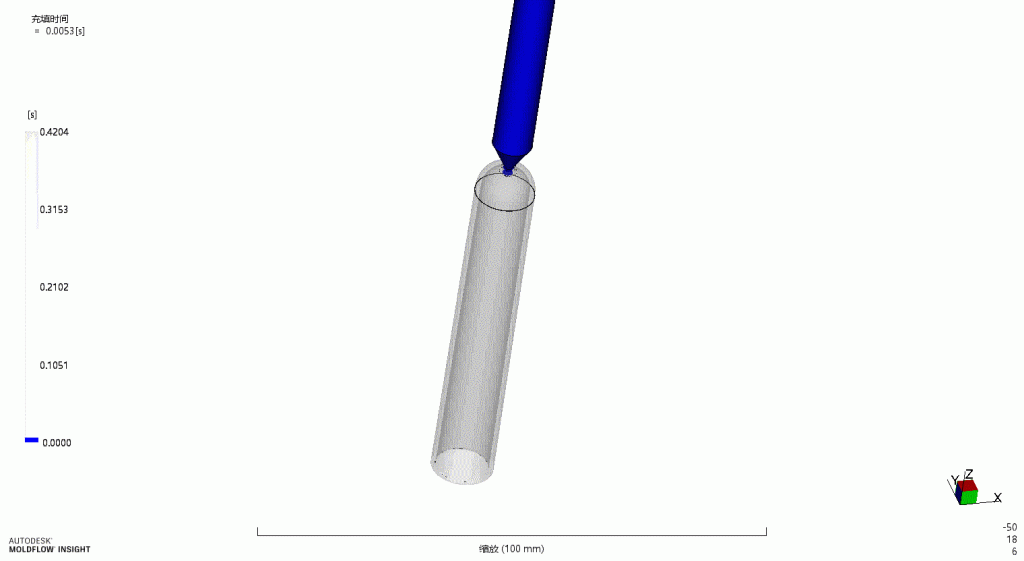
Mould Flow Analysis for Blood Collection Tube Moulds
Using Mouldflow analysis, filling patterns, gate positions, and temperature distribution are optimized to achieve balanced multi-cavity filling, minimize air traps, reduce warpage, and ensure consistent moulding quality.
Blood Collection Tube Mould Testing Video
Demonstrating the blood collection tube mould’s performance under high-speed injection.