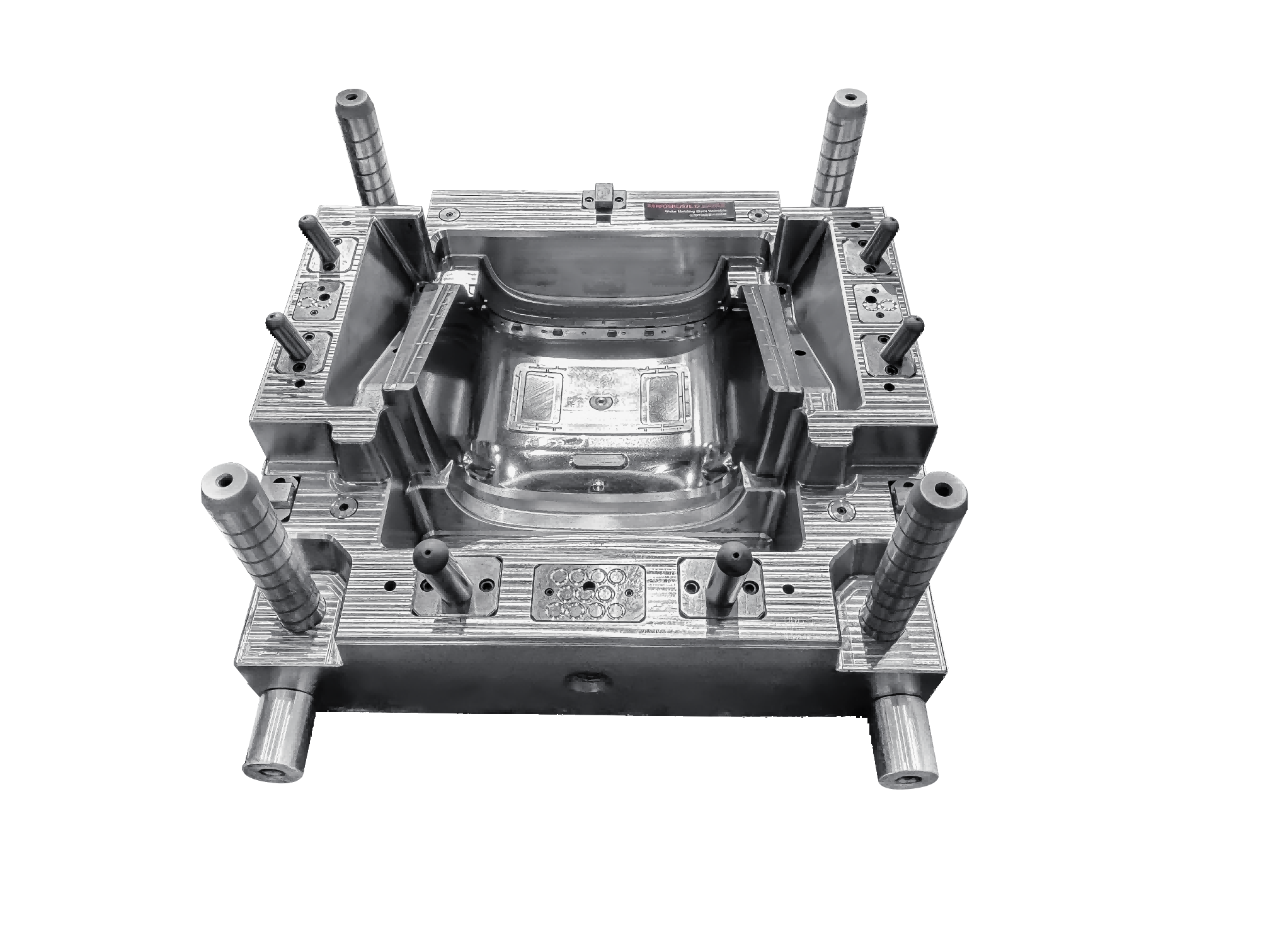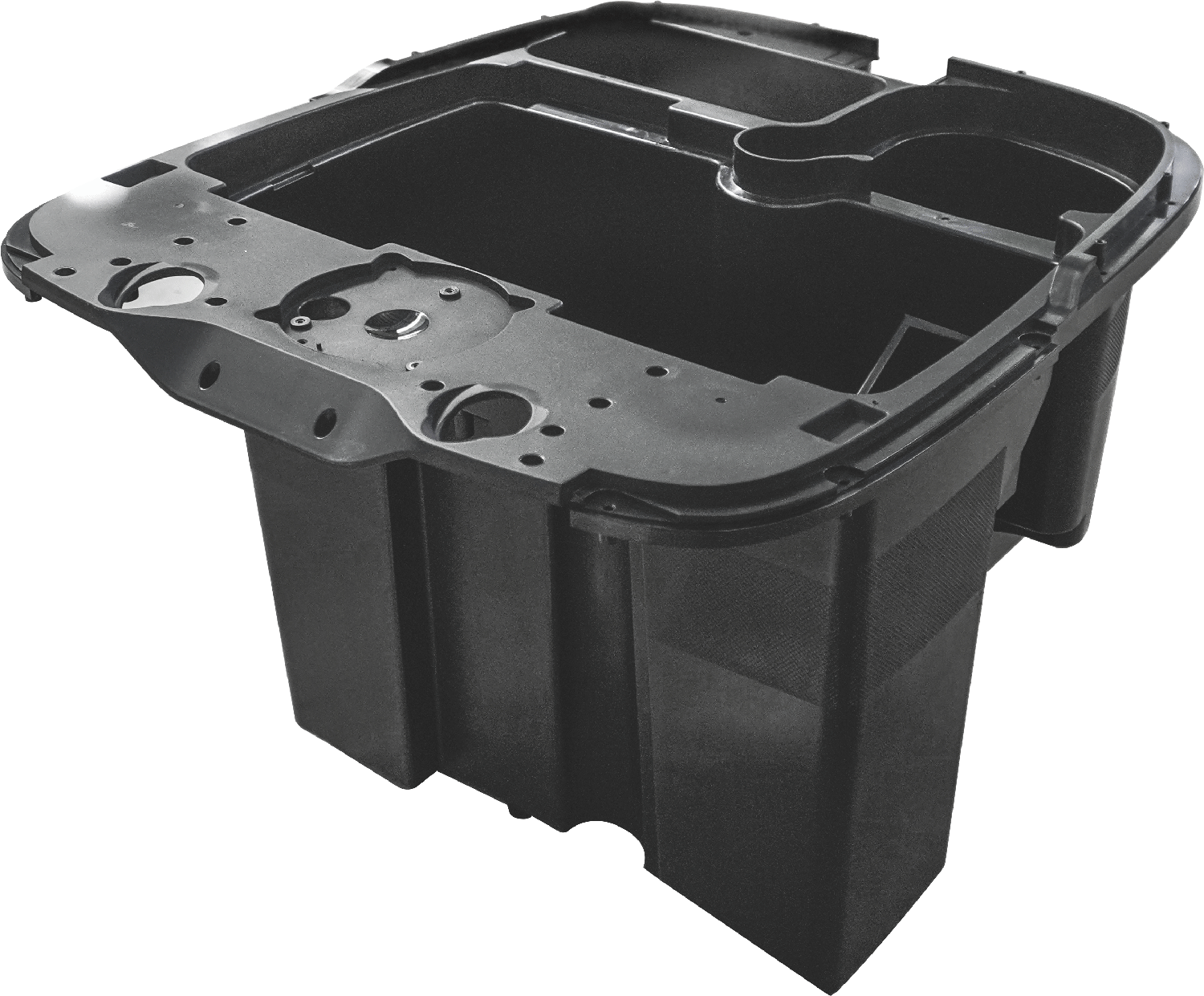
Robot Moulds
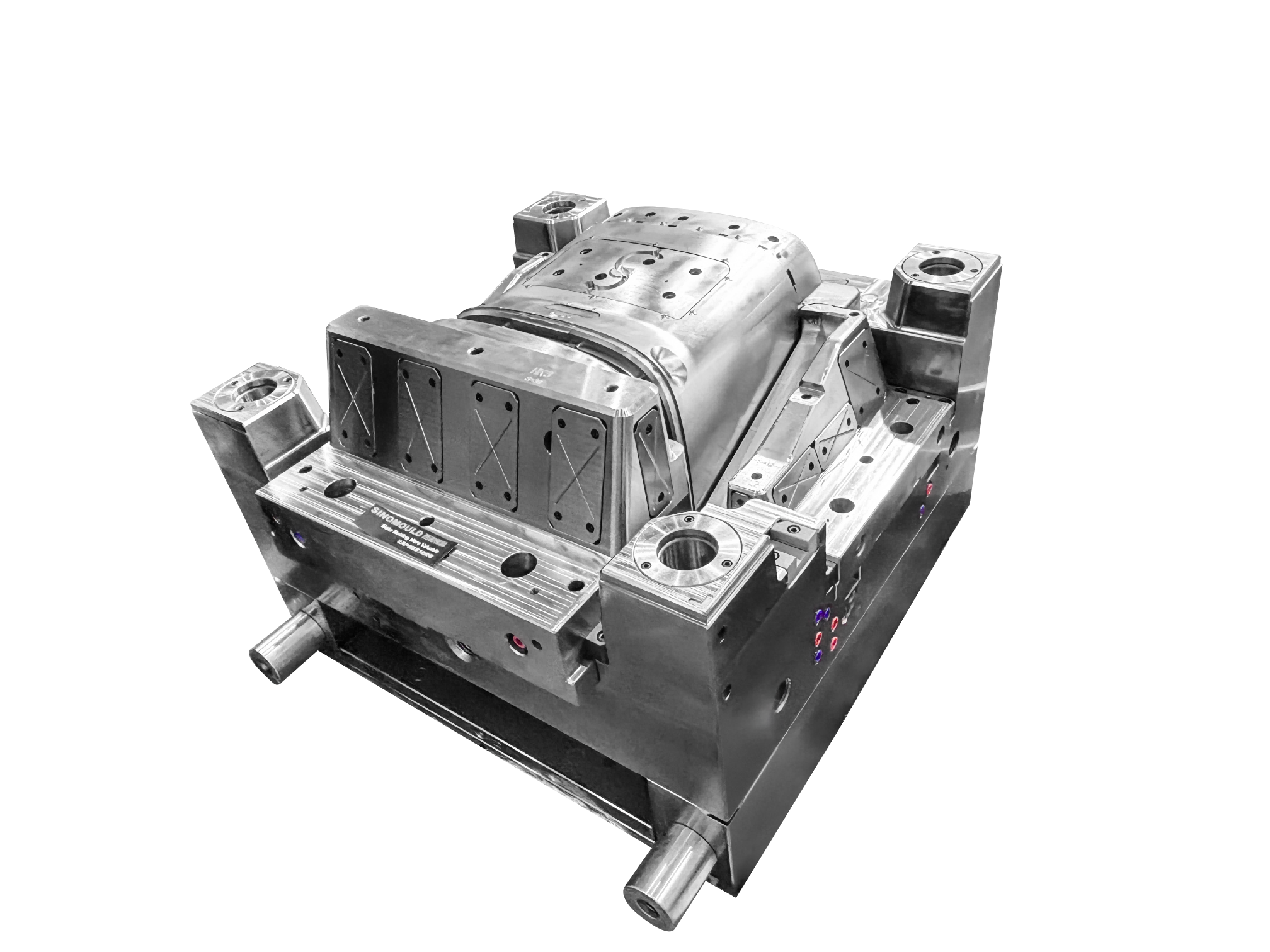
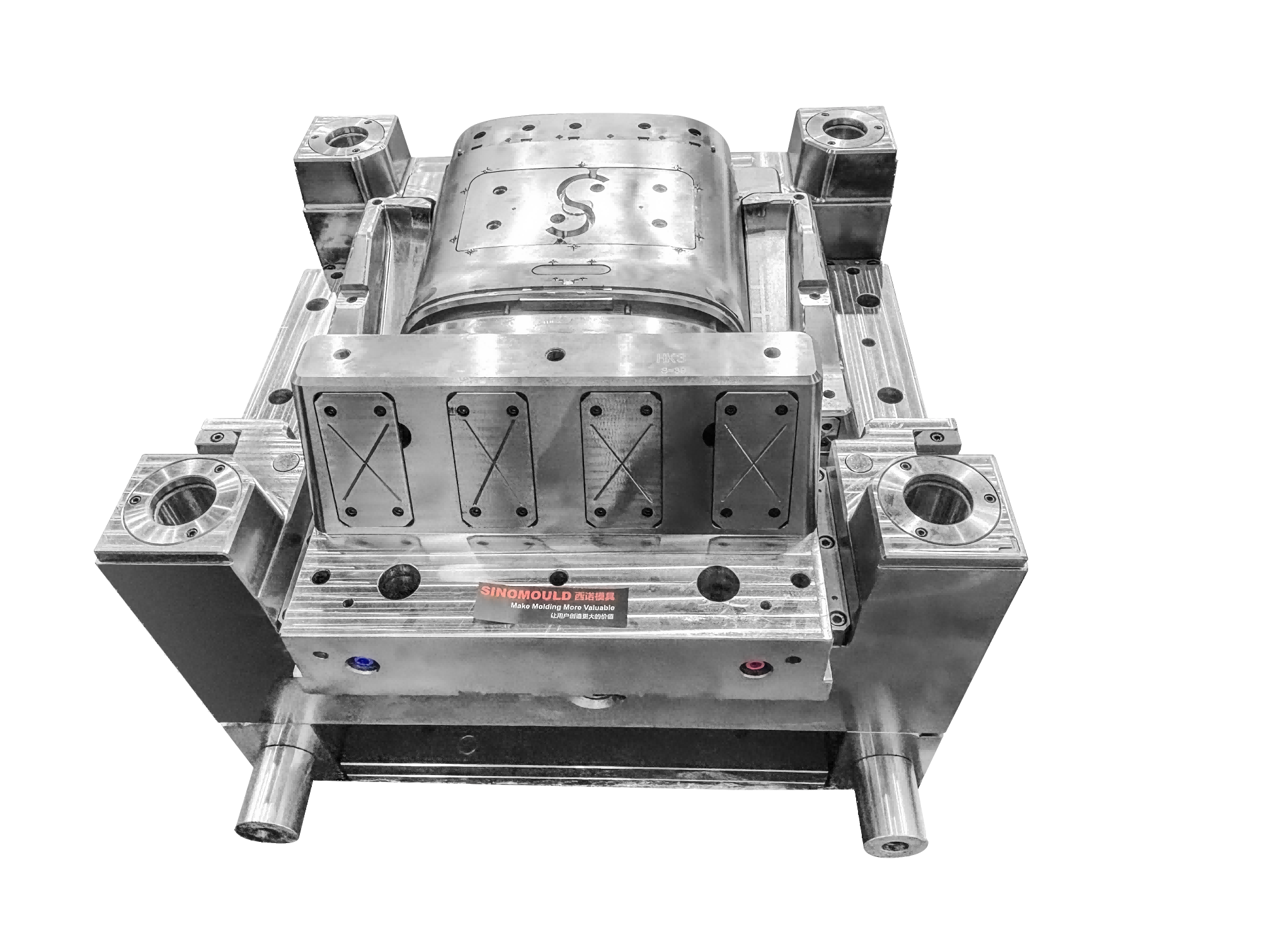
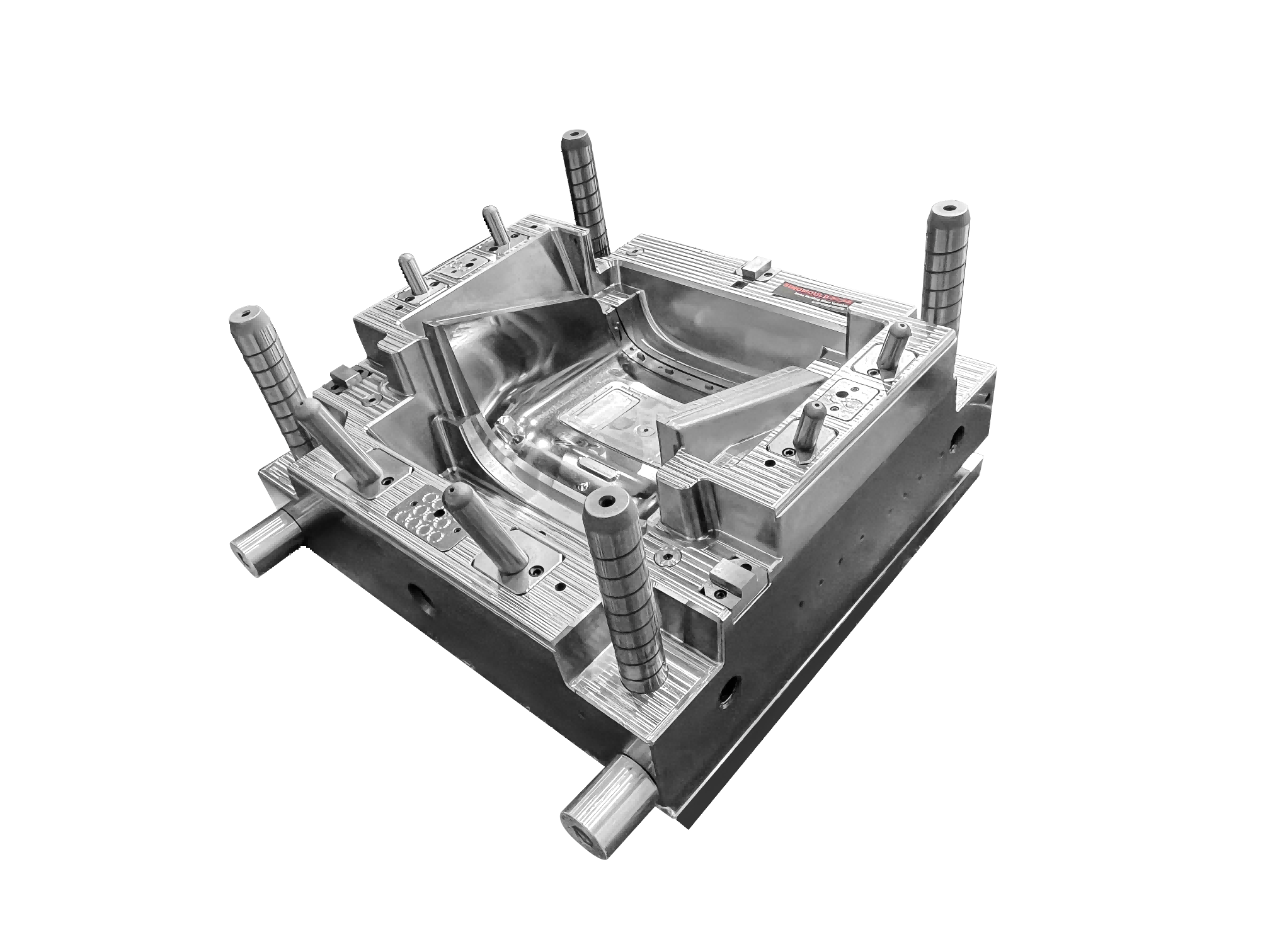
With over 20 years of experience in R&D and manufacturing of precision household appliance moulds, SINOMOULD covers core components of smart home appliances and electronic devices. We specialize in the R&D and production of moulds for robot main bodies, robotic arm joints, housings, and precision transmission parts. SINOMOULD excels in providing customized professional mould solutions based on diverse product performance and motion accuracy requirements. With efficient and stable production performance, we have become a trusted mould supplier in the intelligent equipment industry.
Standard Robot Mould Details
Below are examples of the most common parameters for robot component moulds.
Robot Mould Cavity Steel | DIN1.2316, S136, 2083 | Recommended Injection Machine | DKM DH Series Electric Charging / High-Speed Series |
Robot Mould Core Steel | DIN1.2316, S136, P20 | Plastic Material & MFI | ABS, PC/ABS, PA6+GF, PC MFI:10-30g/10min |
Mould Base Standard / Steel | SINO Standard / 50C, P20 | Ejection System | Ejector Pin + Stripper Plate + Air Assist (Optional) |
Sliders, Inserts, Lifters Steel | High-strength tool steel, treated with nitriding or surface strengthening | Injection Process | High precision, short cycle, precise temperature control with in-mould monitoring |
Number of Cavities | 1 cavity, or design according to customer‘s requirements | Injection Cycle Time | 25–45 seconds |
Hot Runner System | Valve gate/ Sequencial valve gate | Mould Manufacturing Lead Time | 45–70 days |
Key Quality Points of Robot Moulds
SINOMOULD has a strict quality control process for robot moulds. From steel selection to mould trial verification, every step ensures high precision, high stability, and long service life, meeting the stringent requirements for kinematic fit and dimensional consistency of robot components.
Material Selection: Commonly use ABS, PC/ABS, PA6+GF30, PA66+GF30, POM, requiring good flowability, low warpage, high strength, and dimensional stability.
01
Mould Structure Design
- Precision guide pins and locking systems for positioning accuracy ≤0.02mm.
- Balanced runner system and independent temperature control for multi-cavity consistency.
- Reliable slider and lifter mechanisms for undercuts and snap-fits.
- Conformal cooling and zone temperature control to reduce stress and warpage.
- Reinforced mould base and support pillars to prevent deflection under high-speed injection.
02
Injection Process Control
- Strict drying for engineering plastics like PA and PC to prevent hydrolysis.
- High-speed injection for thin-wall robotic arms with controlled shear heating.
- Precision holding pressure based on material shrinkage (e.g., 0.3%-0.8% for PA6+GF).
- Mould temperature control within ±2°C to ensure consistent crystallinity and mechanical properties.
03
Key Quality Requirements
- Dimensional tolerance for critical mating surfaces and holes ≤ ±0.03mm.
- Dynamic balance qualified for rotating components.
- No internal voids, weld line strength meets impact and fatigue life requirements.
- No flow marks, sinks, or flashes; snap-fits and bosses intact for smooth assembly.
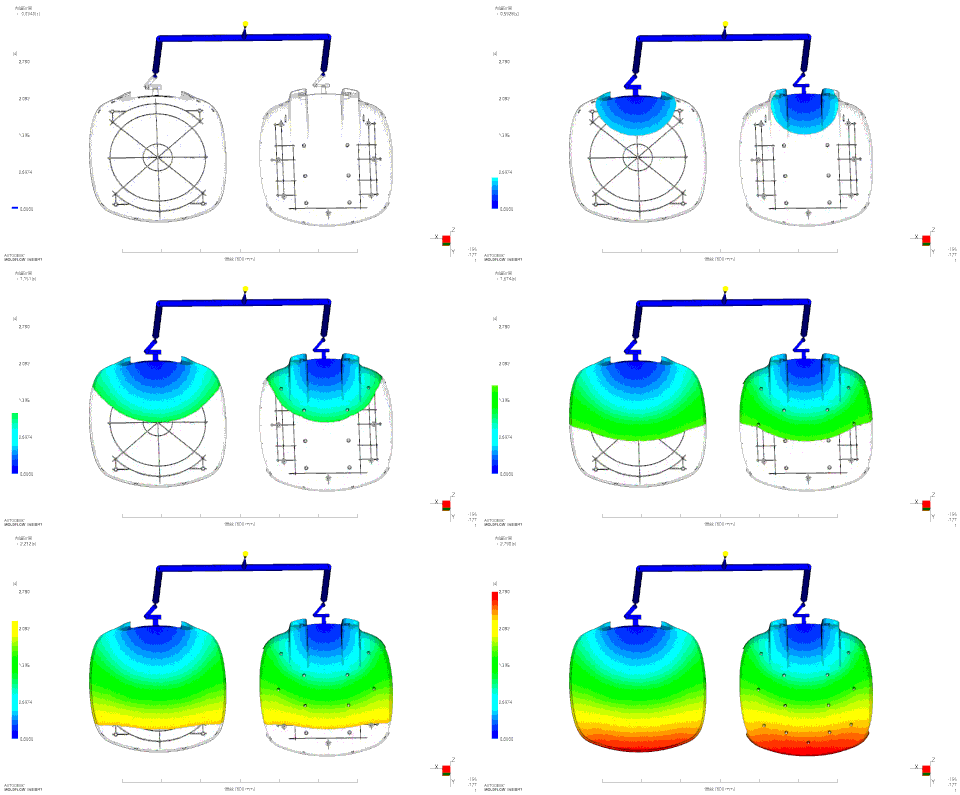
Mould Flow Analysis for Robot Moulds